
Medical Global Academy

fellowship in dermatology in India

p g diploma in dermatology course with clinical and cosmetic training
Learning blogs

Diploma in Dermatology After MBBS: Clinical Scope, Skill Development, and Career Pathways in India

To MBBS doctors, a diploma in dermatology after mbbs is not just an award but a well-organized avenue to the achievement of diagnostic accuracy, intervention skill, and patient-focused treatment plans. This paper will discuss the scope of clinical practice, competencies, and career pathway of physicians wishing to practice in this field in India. Dermatology is no longer a marginal specialty that only took rashes and cosmetic surgeries. It includes medical dermatology, procedural intervention, and outpatient aesthetics in present-day clinical practice and provides physicians with a chance to expand their competence in clinical practice and achieve sustainability in practice. Why Dermatology Is Essential for MBBS Doctors Dermatology-related problems constitute one of the highest prevalence cases in outpatient clinics and they represent about 15-20 percent among the patients in urban and semi-urban India. Typical clinical situations are: Chronic fungi and steroid altered tinea. Postinflammatory scarring and acne vulgaris. Chronic inflammation of the skin Eczema, psoriasis, and other dermatoses. Vitiligo and melasma: pigmentary disorders. These disorders usually demand long-term management, rational medication, and surgical treatment. The medical specialists who are trained in the field of dermatology have the ability to enhance their diagnostic power, handle patients by themselves and make them more willing to adhere. Besides, dermatology overlaps with systemic medicine whereby several autoimmune, infectious and metabolic diseases present on the skin. Early recognition of them can considerably enhance the patient outcomes. Core Competencies Developed Through a Diploma The course of dermatology offers MBBS physicians with practical and hands-on skills in order to become independent practitioners. A. Diagnostic Competencies Primary and secondary skin lesion recognition. Pattern-based different diagnosis. The use of a dermoscopy and Wood lamp. Clinical records, such as photographic records. B. Therapeutic Competencies Rational corticosteroid and antifungal treatment. Treatment of chronic dermatoses like psoriasis and eczema. Systemic therapy, such as immunomodulators and isotretinoin. Adherence counseling and prevention in the patient. C. Procedural Competencies Basics in skin biopsy and interpretation. Cryotherapy and electric shocks. Chemical peels and platelet-rich plasma (PRP) treatment. Background on minimally invasive aesthetic surgery. These are some of the competencies that will equip a doctor not only to diagnose and treat common dermatologic conditions but also to conduct safe procedures in accordance with ethical standards. Defining Clinical Boundaries and Referral Guidelines Knowledge of when to treat and when to refer: Professional Practice in dermatology: Autoimmune and systemic-dermatologic diseases  Extreme cases in dermatology of children. Severe reactions due to drug use  Boundary awareness provides patient safety, business integrity, and law avoidance. Medico-Legal and Ethical Responsibilities Structured dermatology practice demands adherence to ethical and legal standards: Get informed consent of all the procedures. Keep in-depth records and clinical photography. Report risks, probable consequences, and restrictions of treatment. Adhere to evidence-based practice; do not fall prey to unproven treatment. These practices safeguard both the patient and the clinician, reinforcing trust and professional reliability. Integrating Dermatology into Clinical Practice Diploma-trained doctors can adopt flexible practice models based on clinical goals and patient demographics: A. Add-On to General Practice eschew dermatology patients on a daily basis. Roll out the small procedural services. Sustain a referral system of complex cases. B. Dedicated Skin Clinic 24-hour dermatology outpatient care. Integration of procedural and medical dermatology. Effective manpower and low infrastructural needs. C. Comprehensive Clinical and Aesthetic Practice Procedural products like PRP, chemical peels and lasers. Pay attention to long-term care of patients. Needs ethical marketing and selective choice of patients. Doctors who integrate dermatology thoughtfully can enhance patient outcomes and build a sustainable practice. Essential Equipment for Diploma-Level Practice A professional dermatology setup should include: Lesion evaluation Dermatoscope. Cryotherapy and electrocautery equipment. Sterilization equipment and procedure couch. Chemical peel and PRP kits Clinical photography system. Optional advanced tools include lasers and hair restoration devices, only with certified training and supervision. Clinical and Procedural Challenges Even trained diploma doctors must acknowledge practice limitations: Restricted exposure to uncommon or endemic dermatology. The practice of early procedures needs mentorship. Moral accountability in cosmetic dermatology. Commerce expertise and administrative communication proficiencies required to sustain the clinic. Acknowledging challenges ensures responsible practice and professional growth. Career Pathways and Opportunities Dermatology offers diverse avenues for MBBS doctors: Practice: Practices in independent or group clinics (chronic and aesthetic dermatology). Hospital Attachment: Multispecialty outpatient and inpatient hospital management. Teledermatology: Formation of follow-up and consultation with patients taking advantage of digital capabilities. Restrictive and Educational Work: Making a contribution to medicine and research. Rising patient awareness and demand for safe procedural dermatology ensures long-term career sustainability.  Financial and Practice Sustainability Dermatology is financially viable for outpatient-focused doctors: Chronic conditions guarantee repeat consultations and loyalty in the patient. The procedural interventions extend incremental revenue per patient. Practice model Structured practices can cut hospital-based incomes. Professional credibility and referrals are ensured in the long run through ethical practice. Doctors should plan a realistic financial strategy, focusing on patient care rather than short-term gains.  Strategic Roadmap for Doctors Considering Diploma Provide an assessment of your present OPD case load and your interest in dermatology. Select a degree that involves practical, systematic clinical education. Develop diagnosis, therapy, and minor procedures competency. Slowly incorporate dermatology in your practice. Promote ethical and evidence-based practices. Earn higher qualifications or fellowships to increase the clinical and procedural knowledge. Frequently Asked Questions (FAQs) 1. What is the duration and mode of the PG Diploma in Dermatology? PG Diploma in Dermatology is meant to be a 12 month program offered in hybrid format. The curriculum incorporates the use of web-based academic study together with well-organized clinical attachment and exposure. The working MBBS doctors are able to balance between clinical work and to upgrade the skills in dermatology in this model. 2.Does the course provide hands-on procedural training? Yes. They will be exposed practically to minor dermatological procedures such as the basic dermatosurgery and office-based procedures like biopsies and office-based interventions. Cosmetic dermatology elements such as chemical peels, injectables, and laser basics are also presented in the course, based on the structure of clinical rotation. 3. What clinical topics are covered in this diploma program?
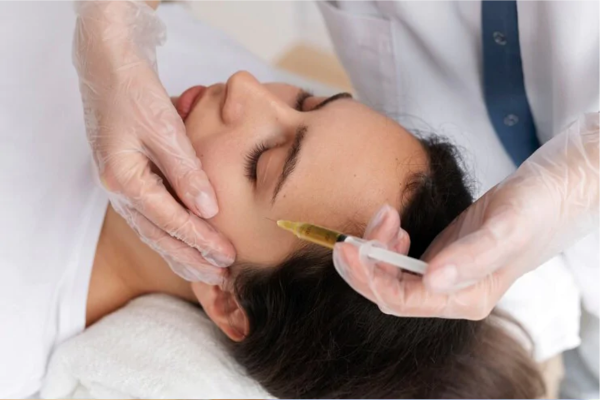
fellowship in dermatology training showing hand giving skin injection during real patient clinical practice session
FELLOWSHIP

FELLOWSHIP IN DERMATOLOGY

FELLOWSHIP IN DERMATOLOGY Discover the world of dermatology fellowships A practice-focused postgraduate diploma programme, this course is ideal for medical professionals who want to enhance their diagnostic skills, offering hands-on training and expert guidance. Course Price ₹ 2,50,000 ₹2,00000 Buy Course Now Get Free Details For Course Batch starts on Jan to Dec/ May to June Course Duration 12 Months Multimodal Program Hybrid Mode & Clinical Attachment Flexible payment financing options available Sample Certificate For Course FELLOWSHIP IN DERMATOLOGY MGA Medical Global Academy offers a premier fellowship in dermatology after MBBS that is designed for healthcare professionals who want to step confidently into specialized skin care. As medical science evolves, dermatological expertise has become an essential part of modern clinical practice. This 12-month structured program will enable you to gain clear insights and understanding of observing and integrating advanced skin treatments with precision and confidence. The demand for advanced dermatology and cosmetic surgery procedures has been rising at a very fast rate in India, particularly in multispecialty and cosmetic clinics, and therefore, the demand for trained doctors has been rising. This fellowship program will enable the participants with an in-depth understanding of skin conditions, the process of planning dermatologic surgery, and the precision of treatments and their impact on patient outcomes. Download Brochure in Whatsapp What you’ll learn Unveiling the Skin Canvas Deciphering Dermatological Dilemmas Patterns and Pathways Emergencies and Beyond Tools of the Trade Tumultuous Tumors Key Features Attending /Non-Attending Classes  Practical Hands-on Training at reputed hospitals/clinics.  Free Study Material with recorded lectures  Best Faculties (Super Specialists) of India 5. Library Access & Question & Answer Session 6. NAAC A+ University 7. 1 Year of Mentorship 8. Updated Curriculum Course Curriculum Advanced Dermatologic Diagnostics Clinical Diagnosis and Workup: Common and uncommon dermatologic diseases. Dermatoscopy: New methods of skin cancer early detection using dermatoscopic instruments. Histopathology and Dermatopathology: Intensive analysis of skin biopsy, immunohistochemistry, and molecular analysis. Teledermatology: Digital health and remote diagnosis in dermatology: best practice. Genetic Testing: Genetic testing in rare dermatologic disease. Dermatologic Surgery and Laser Techniques Mohs Micrographic Surgery: High-tech methods of removing skin cancer with minimum tissue damage. Laser Treatments: Fractional laser treatment Overview of laser in dermatology (fractional, CO2, pulsed dye lasers) Cosmetic Dermatologic Surgery: Non-invasive cosmetic surgeries of the face (Botox, dermal fillers, PRP) Scar Revision: Future Strategies of hypertrophic scarring, keloids, and post-surgical healing. Dermatologic Emergencies: Dermatologic emergencies [surgical] management. Advanced Medical Dermatology Psoriasis and Eczema: Best practices in the management and biologic therapies. Autoimmune Skin Disorders: Systemic Lupus erythematosus, dermatomyositis and vasculitis. Cutaneous Lymphomas:Diagnosis, staging, and treatment of cutaneous T-cell lymphoma. Pigmentary Disorders: Vitiligo, melasma, and other hyperpigmentation disorders Acne Vulgaris and Rosacea: Advanced therapy, systemic treatment, and new treatment. Hidradenitis Suppurativa: Multidisciplinary approach to the management of this chronic inflammatory skin disease. Pediatric Dermatology Routine Pediatric Dermatology: Eczema, impetigo, and atopic dermatitis. Genodermatoses: Epidermolysis bullosa and ichthyosis are genetic skin diseases in children. Neonatal Dermatology: Neonatal acne, dermatologic manifestations of systemic disease, birthmarks. Pediatric Dermatology: Dermatologic Manifestations of Systemic Conditions Rheumatic Disease, Metabolic Disease, and Genetic Syndrome. Laser Therapy in Pediatrics: Laser treatment of children, safe and effective. Cutaneous Oncology Skin Cancer Epidemiology and Prevention: Melanoma, basal cell carcinoma and squamous cell carcinoma. Innovative Melanoma Management: Immunotherapy, targeted therapy and surgery. Non-Melanoma Skin Cancer: Prevention, surveillance and current treatment recommendations. Cutaneous Metastases: Syndrome and treatment of systemic cancer cutaneous involvement. Sentinel Lymph Node Biopsy: Surgical indications and procedures of cutaneous oncology. Cosmetic Dermatology and Aesthetic Procedures Aesthetic Rejuvenation: Complex botox, Dermal fillers, and PDO thread lifts. Hair Restoration: PRP injections, scalp micropigmentation and hair transplant. Chemical Peels and Microneedling: Indications, procedures and patient selection. Improved Skin Resurfacing: CO2 laser, Radiofrequency and PRP micro needling. Patient Safety and Ethics: Dealing with patient expectations, informed consent, and ethics in cosmetic surgery. Dermatologic Research and Clinical Trials Dermatologic Research principles: data analysis, statistics interpretation and study design. Dermatology Advances: New drugs, gene editing, and Stem cell therapy. Dermatology Clinical Trials: Guide to regulations and clinical trials. Publication Ethics: Dermatologic research, such as peer reviewed journal writing and publication. Research Methodology: Systematic Reviews, meta-analysis and evidence based dermatology. Dermatology in Special Populations Dermatology in Pregnancy: Safe Pregnancy and the Skin. Geriatric Dermatology: Skin alterations, treatment problems and management of chronic skin diseases. Skin Care in HIV, cancer and transplant patients: Dermatological problems of Immunocompromised patients. Ethnically diverse population: dermatology Dermatology: Ethnicity and skin management: addressing the skin and its diversity. Global dermatology: Tropical dermatology, neglected tropical diseases, and dermatologic care of underserved communities. Dermatology Practice Management and Leadership Practice Management: Practice development and management, billing, coding, and patient circulation. Dermatology Leadership: Building leadership skills, mentoring and leadership in a dermatology team. Quality Improvement: Clinical pathway implementation and patient outcomes. In Dermatology Telemedicine: Theazinerman et al. (2019) inquire in the context of specialization in dermatology. Ethics and Legal Issues in Dermatology: Malpractice, informed consent and professional conduct. Dermatologic Immunology Immunodermatology: The pathogenesis of skin autoimmune diseases, pemphigus, pemphigoid, and bullous diseases. Cytokines and Immune Pathways: The contribution of cytokines in skin inflammation, allergy and hypersensitivity reactions. Biologic Therapies in Dermatology: The use of biologic in the treatment of psoriasis, atopic dermatitis, and chronic urticaria. Cutaneous T-cell Lymphoma (CTCL): pathophysiology, diagnosis, and therapy with immunotherapies. Immunosuppressive Therapy: The best practices in the immunosuppressive therapy management in dermatology. Dermatologic Pharmacology Pharmacodynamics and Pharmacokinetics: Pharmacodynamics and Pharmacokinetics of drugs with respect to dermatology. Topical Therapies: Innovations, improved topical drug delivery, and delivery systems. Systemic therapies: Oral and Biologic medicines in the treatment of dermatology. Emerging Drug Therapies: Next generation: Gene therapy, small molecule inhibitor and gene therapy in dermatology. Adverse Drug Reactions: Diagnosing and treating drug-induced skin reactions, such as cutaneous adverse events of systemic drugs. Dermatology in Aging Populations Mechanisms of Skin aging: Cellular and molecular mechanisms of skin aging, including collagen degradation and oxidative stress. Dermatologic Conditions in aged persons: treatment of xerosis, actinic keratosis, basal cell carcinoma, and other prevalent diseases. Skin Diseases of Old Age: Skin disease in old age, seborrheic keratosis, senile

Scroll to Top