
Medical Global Academy

February 5, 2025

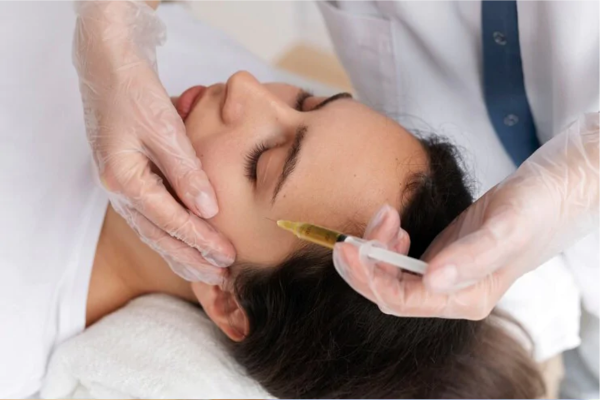
fellowship in dermatology training showing hand giving skin injection during real patient clinical practice session
FELLOWSHIP

Fellowship in Dermatology: Build Expert Skin Care Skills in 12 Months

FELLOWSHIP IN DERMATOLOGY Advance your expertise with the Fellowship in Dermatology at Medical Global Academy (MGA). Designed for medical professionals, this clinically focused fellowship provides comprehensive training in medical dermatology, cosmetic dermatology, and dermatologic procedures. Through evidence-based learning, structured clinical exposure, expert mentorship, LMS access, CPD certification, and one year of academic support, participants develop the clinical confidence to diagnose, manage, and treat a wide range of skin, hair, and nail disorders while expanding their expertise in modern dermatology practice. Buy Course Now Get Free Details For Course Batch starts on Jan to Dec/ May to June Course Duration 12 Months Learning Format Online Mode Flexible payment financing options available Fellowship in Dermatology Programme Overview Skin diseases are among the most frequently encountered conditions in clinical practice, and the demand for qualified dermatology professionals continues to grow with the increasing need for medical, cosmetic, and procedural skin care. Successfully managing dermatological conditions requires more than recognizing skin lesions—it requires accurate diagnosis, evidence-based treatment planning, procedural expertise, and an understanding of emerging therapies. The Fellowship in Dermatology at Medical Global Academy (MGA) is designed to help doctors build advanced clinical expertise across the full spectrum of dermatology. The program provides comprehensive training in diagnosing and managing common as well as complex skin, hair, nail, and pigmentary disorders while strengthening clinical decision-making and patient-centered care. The curriculum combines structured academic learning with clinical exposure in medical dermatology, cosmetic dermatology, dermatosurgery, dermatopathology, dermoscopy, laser procedures, aesthetic dermatology, hair restoration, and minimally invasive skin treatments. Participants also gain knowledge of inflammatory skin diseases, autoimmune disorders, pediatric dermatology, geriatric dermatology, cutaneous oncology, and evidence-based therapeutic approaches used in modern dermatology practice. Beyond disease management, the program focuses on helping participants develop practical clinical judgment, improve patient consultation skills, understand procedural planning, and manage complications safely. Equal emphasis is placed on ethical practice, current clinical guidelines, multidisciplinary care, and continuous professional development, preparing participants to confidently integrate dermatology into everyday clinical practice. Participants also benefit from LMS-based learning, CPD certification, and one year of expert mentorship, providing continuous academic support while keeping them updated with the latest advances in dermatology and aesthetic medicine. Clinical Skills You’ll Develop During the Dermatology Fellowship Throughout the Dermatology Fellowship, participants strengthen their expertise in: Clinical diagnosis and management of common and complex skin, hair, and nail disorders. Dermoscopy, skin biopsy interpretation, and dermatopathology for accurate diagnosis. Management of acne, eczema, psoriasis, rosacea, vitiligo, pigmentary disorders, and autoimmune skin diseases. Principles of Dermatosurgery Fellowship procedures, including scar revision, skin lesion management, and minor dermatologic surgery. Cosmetic dermatology procedures such as botulinum toxin therapy, dermal fillers, PRP, chemical peels, microneedling, laser treatments, and skin rejuvenation. Hair restoration therapies and modern approaches to scalp disorders. Recognition and management of melanoma, non-melanoma skin cancers, and precancerous lesions. Patient consultation, individualized treatment planning, complication prevention, and ethical dermatology practice. Evidence-based dermatology, research methodology, and emerging therapeutic innovations. Career Opportunities After the Fellowship in Dermatology Completing the Fellowship in Dermatology prepares medical professionals for rewarding careers across clinical dermatology, cosmetic dermatology fellowship practice, and procedural skin care. As patient demand for specialized dermatology services continues to increase, the fellowship helps doctors expand both their clinical capabilities and career opportunities. After completing the program, participants may explore opportunities in: Dermatology departments of multispecialty hospitals. Cosmetic dermatology and aesthetic medicine clinics. Skin, laser, and hair restoration centers. Private dermatology practice. Dermatologic surgery and procedural dermatology clinics. Academic institutions and medical education. Clinical research and evidence-based dermatology programs. Multidisciplinary teams working alongside plastic surgeons, oncologists, rheumatologists, and aesthetic physicians. Whether you are looking for a Fellowship in Dermatology after MBBS, planning to pursue an International Dermatology Fellowship in the future, or aiming to strengthen your expertise in Cosmetic Dermatology, this program provides the clinical knowledge, procedural understanding, and professional confidence needed to build a successful career in one of the fastest-growing medical specialties. Why Choose Medical Global Academy for a Fellowship in Dermatology? Choosing the right Fellowship in Dermatology is about more than earning an additional qualification—it’s about developing the clinical confidence to diagnose complex skin conditions, perform dermatologic procedures safely, and provide evidence-based care that improves patient outcomes. At Medical Global Academy (MGA), the fellowship is designed to help doctors bridge the gap between theoretical knowledge and real-world dermatology practice. The curriculum emphasizes structured learning, clinical reasoning, patient assessment, and procedural planning, enabling participants to confidently manage both medical and cosmetic dermatology cases. What Makes MGA Different? Comprehensive curriculum covering medical, cosmetic, and procedural dermatology. Evidence-based learning aligned with current dermatology guidelines. Structured clinical exposure focused on diagnosis and treatment planning. Expert faculty guidance and one year of academic mentorship. LMS access with recorded lectures and updated study materials. CPD certification supporting continuous professional development. Strong emphasis on patient safety, ethical practice, and personalized dermatological care. Whether you want to strengthen your existing clinical practice, expand into Cosmetic Dermatology, or pursue one of the leading Dermatology Fellowship programs, Medical Global Academy provides the knowledge, clinical perspective, and ongoing support needed to build long-term success in modern dermatology. Download Brochure in Whatsapp What you’ll learn Unveiling the Skin Canvas Deciphering Dermatological Dilemmas Patterns and Pathways Emergencies and Beyond Tools of the Trade Tumultuous Tumors Key Features Attending /Non-Attending Classes  Free Study Material with recorded lectures  Best Faculties (Super Specialists) of India 4. Library Access & Question & Answer Session 5. 1 Year of Mentorship 6. Updated Curriculum Course Curriculum Advanced Dermatologic Diagnostics Clinical Diagnosis and Workup: Common and uncommon dermatologic diseases. Dermatoscopy: New methods of skin cancer early detection using dermatoscopic instruments. Histopathology and Dermatopathology: Intensive analysis of skin biopsy, immunohistochemistry, and molecular analysis. Teledermatology: Digital health and remote diagnosis in dermatology: best practice. Genetic Testing: Genetic testing in rare dermatologic disease. Dermatologic Surgery and Laser Techniques Mohs Micrographic Surgery: High-tech methods of removing skin cancer with minimum tissue damage. Laser Treatments: Fractional laser treatment Overview of laser in dermatology (fractional, CO2, pulsed dye lasers) Cosmetic Dermatologic Surgery: Non-invasive cosmetic surgeries of the face (Botox, dermal fillers, PRP)

FELLOWSHIP

Fellowship in Cosmetic Gynecology

FELLOWSHIP IN COSMETIC GYNECOLOGY Advance your expertise in Cosmetic Gynecology with a focused fellowship designed for qualified medical professionals. The programme combines online training, evidence-based learning and expert mentorship to build knowledge of aesthetic, functional and regenerative gynecology. Strengthen your understanding of modern procedures, treatment approaches and patient-centred care Buy Course Now Get Free Details For Course Batch starts on Jan to Dec/ May to June Course Duration 12 Months Learning Formate Online Mode Flexible payment financing options available Program overview The Fellowship in Cosmetic Gynecology is an advanced programme designed for medical professionals seeking specialized knowledge in aesthetic and functional gynecology. The programme combines online training, evidence-based learning and expert guidance, covering modern cosmetic gynecological procedures and patient-centred care. Participants develop knowledge of non-surgical and surgical approaches, regenerative medicine, energy-based technologies and minimally invasive cosmetic procedures. Key areas include vaginal rejuvenation, laser gynecology, PRP therapy, dermal fillers, labiaplasty, vaginoplasty, intimate dermatology, sexual wellness and menopausal care. The fellowship also covers patient assessment, ethical practice, laser safety, complication management, documentation and emerging digital technologies, helping participants build a structured approach to cosmetic gynecology. What Skills You Will Gain Understanding of female genital anatomy and cosmetic gynecology principles Patient assessment, consultation, counselling and informed consent Knowledge of laser, radiofrequency (RF), HIFU and other energy-based technologies Understanding of PRP therapy, dermal fillers and other regenerative approaches Knowledge of procedures such as labiaplasty, vaginoplasty, clitoral hood reduction and perineoplasty Understanding of intimate dermatology, pigmentation and scar management Knowledge of sexual wellness, urinary incontinence and menopausal care Understanding of procedural safety, complication management and medico-legal documentation Awareness of AI-assisted technologies and digital healthcare tools Understanding of psychological, cultural, nutritional and wellness factors in intimate care Career Outcomes After the Fellowship After completing the fellowship, participants may explore opportunities in: Cosmetic gynecology clinics Women’s wellness clinics Aesthetic centres Multispecialty hospitals Aesthetic medicine practices Private cosmetic gynecology practice Regenerative and intimate wellness services Academic education and clinical research The fellowship helps medical professionals strengthen their knowledge of cosmetic gynecology, modern aesthetic approaches and patient-centred care while supporting continued professional development in this evolving specialty. Download Brochure in Whatsapp What you’ll learn Introduction to Cosmetic Gynaecology Anatomy and Cosmetic Classification of the vulval complex Ethics and legal implications in Cosmetic Gynaecology Setting up practice Patient Selection and Counselling Genitourinary Syndrome of Menopause Key Features Attending /Non-Attending Classes Free Study Material with recorded lectures Best Faculties (Super Specialists) of India 4. Library Access & Question & Answer Session 5. 1 Year of Mentorship 6. Updated Curriculum Course Curriculum Fundamentals of Cosmetic Gynecology Introduction to Aesthetic and Functional Gynecology. Female Genital Structures Anatomy and Physiology. Selection and Consent of Patients and Ethics. Psychological Processing and Psychological Counseling on Intimate Aesthetic Procedures. Clinical Photography/ Documentation Standards. Non-Surgical Rejuvenation Techniques Laser and Radiofrequency vaginal tightening. Use of High-Intensity Focused Ultrasound (HIFU) Carboxytherapy and Electromagnetic Pelvic Floor Stimulation Genital Skin Lightening and Pigmentation Treatment Safety Procedures and Calibration of Energy-based Devices. Injectable and Regenerative Therapies Platelet-Rich Plasma (PRP) in Vaginal Rejuvenation. A-Spot, G-Spot and O-Spot Augmentation Techniques. Application of Dermal Fillers in Labia Majora, Clitoral Area. Fat Grafting and Use of Autologous Tissues. Biologic Innovations and Stem Cell Therapies. Cosmetic Gynecology Surgery Labiaplasty: Surgery and Indications. Clitoral Hood Reduction Vaginoplasty and Perineoplasty Hymenoplasty: Cultural, Ethical, and Technical. Hymenoplasty: Technological, Ethical, and Cultural. Complications and Management of Surgery. Intimate Area Dermatology and Laser Applications Vulvar Laser Hair Removal. Scar, Stretch Mark, Skin Texture Treatment. Vulvar and Perianal Aesthetics Chemical Peels. Use of Intense Pulsed Light (IPL) in Pigmentation Issues Intimate Skin Care Cosmetics. Sexual Wellness and Functional Gynecology Female Sexual Dysfunction Assessment. Vaginal Dryness and Atrophy. Urinary Incontinence: Non-surgical Management. Combinations of Sexual Wellness and Aesthetic Practices. Hormonal Support and Menopause-Related Changes. Advanced Vulvo-Vaginal Aesthetic Techniques Labia Majora Augmentation (Advanced) Vulvar Fat Transfer Techniques GSM Radiofrequency Micro-needling of Genital Skin. Tissue Tightening Genital PDO Thread Lifting. Combination Therapies Laser + PRP or Fillers. Global Trends and Cultural Sensitivity Aesthetic Preferences and Trends around the world. Aesthetic Requests in Intimacy. Cultural Techniques of Communication. Dealing with Expectations and Beauty Ideals. Cross-Cultural Cosmetic Practice Ethical Iss. Postpartum and Menopausal Aesthetic Care Mommy Makeover: Genital Restoration Post-Delivery. Vaginal Laxity and Atrophic Vaginitis Post-Menopausal Vulvar Rejuvenation. Hormonal and Nutraceutical Support. Lifestyle Changes to Improve. Scientific Research and Innovation in Cosmetic Gynecology Interpretation of Scientific Literature and Clinical Trials. Writing and Presenting Case reports and Studies. Advocates in Biomaterials and Regenerative Medicine. Ethics and Design of Clinical Studies. Publication of Journal articles, Conferences and CME. Legal, Ethical, and Risk Management International Guidelines and Standards (e.g., ISCG, ACOG) Informed Consent and Medico-Legal Documentation Risk Assessment and Managing Complications Cosmetic Gynecology Insurance and Liability. Ethics of Advertising and Patient Testimonials Digital Technologies and AI in Cosmetic Gynecology The use of Artificial Intelligence in Aesthetic Diagnosis. Remote Intimate Care and Teleconsultation. Planning of Imaging Technologies and Augmented Reality. EHRs, CRM Tools and Digital Documentation. Cybersecurity and privacy of patients in Aesthetic Practice. Nutrition, Wellness & Anti-Aging in Intimate Health Nutrition and the Mucosal Health of the Genitals. Hormonal Balance and Sexual Wellness nutraceuticals. Vaginal Health: Detox and Anti-Inflammatory Diets. Intimate Care Strategy of Anti-aging. Whole Person Wellness in Female Patients. Laser Science and Safety in Intimate Procedures Mechanism of Action of Laser Devices Physics. Interaction of Tissues with various wavelengths. Laser Room Set-Up and Safety Precautions. Prevention and Treatment of Laser Burns or Pigmentation Changes. Laser Maintenance, Calibration and Updates. Male Intimate Aesthetics (Optional/Advanced) Summary of Male Genital Cosmetic Requests. Erectile Support PRP and Laser. Penis Fillers and Girth Enhancement (overview only) Male Sexual and Hormonal Health. Moral and Medical Issues in Male Intimate Aesthetics. Intimate Wellness in LGBTQ+ Care Gender-Affirming Aesthetic Considerations Addressing Sexual Wellness in Transgender Women Gender-Fluid and Non-binary Patients: Communication. Non-binary and Gender-Fluid Patient Communication Inclusiveness, Sensitivity, and Ethical Practice during LGBTQ+ care. Psychosocial and Emotional Impact of Intimate Aesthetics Genital Self-Esteem and Body Image. Aesthetic Candidate Psychological Assessment. Emotional After-operative Results and counseling. Treatment of Unrealistic Expectations and Dysmorphophobia. Cooperation with Psychologists and Sex Therapists.

FELLOWSHIP

Fellowship in Cardiothoracic Surgery: Advanced Training for MBBS, MD & MS Doctors

FELLOWSHIP IN CARDIOTHORACIC SURGERY A Fellowship in Cardiothoracic Surgery is designed for doctors seeking advanced knowledge in cardiac and thoracic surgical care. The programme combines online training, expert mentorship and evidence-based learning to help medical professionals strengthen their surgical knowledge, clinical decision-making and confidence. Buy Course Now Get Free Details For Course Batch starts on Jan to Dec/ May to June Course Duration 12 Months Learning Formate Online Mode Flexible payment financing options available Fellowship in Cardiothoracic Surgery: Program Overview The Fellowship in Cardiothoracic Surgery offered by MGA Medical Global Academy is an advanced programme designed for medical professionals seeking to develop knowledge and expertise in cardiothoracic surgical practice. The programme combines academic learning, multidisciplinary approaches and research-focused education to support participants in understanding the demands of modern cardiothoracic surgery. Fellows explore adult cardiac surgery, thoracic surgery, pediatric cardiothoracic surgery, cardiac transplantation, minimally invasive and robotic-assisted surgery, vascular surgery, pulmonary hypertension management, advanced cardiac imaging, neurocognitive care, mechanical circulatory support and end-of-life surgical care. The fellowship also emphasizes teamwork, ethical practice, surgical leadership, patient management and the application of modern technologies in cardiothoracic patient care. Skills You Will Gain Good knowledge of the anatomy of the heart, lungs and chest wall and the principles of cardiothoracic surgery Knowledge of pre-operative evaluation, emergency management, imaging interpretation and patient management Understanding of surgical steps, perioperative management and assistance protocols for CABG, valve surgery, aortic surgery and heart failure surgery Understanding of minimally invasive and robotic-assisted surgical approaches Knowledge of thoracic surgical procedures including lung cancer surgery, oesophageal surgery, mediastinal tumour resection and pleural disease management Understanding of pediatric cardiothoracic surgery, congenital cardiac repair, neonatal surgery and pediatric post-operative care Knowledge of heart transplantation, VADs, ECMO, immunosuppression and long-term transplant care Understanding of vascular surgical procedures including endovascular surgery, carotid surgery and hybrid surgical techniques Knowledge of advanced cardiac imaging, 3D surgical planning, echocardiography and transesophageal echocardiography (TEE) Understanding of neurocognitive care, stroke prevention, stroke rehabilitation and post-stroke neurological assessment Knowledge of clinical research, translational research, biomaterials, prosthetics and data-driven surgical decision-making Development of leadership, crisis management, ethical decision-making, communication, mentorship and multidisciplinary teamwork skills Awareness of palliative surgery, symptom management and supportive care in advanced cardiothoracic conditions Career Outcomes After the Fellowship Develop focused expertise in Cardiothoracic Surgery and advanced surgical patient care Explore opportunities in cardiac surgery units, thoracic surgery departments, transplant centres and multispecialty hospitals Strengthen clinical decision-making when managing complex cardiac, thoracic and vascular surgical conditions Collaborate with multidisciplinary teams caring for patients with complex cardiac and thoracic diseases Support better patient outcomes through evidence-based surgical approaches and modern technologies Explore career opportunities in cardiothoracic surgery, cardiac transplantation and mechanical circulatory support services Engage in surgical research, academic teaching, innovation programmes and healthcare leadership Stay updated with developments in robotic surgery, advanced imaging, biomaterials and translational surgical research Continue professional development in the evolving field of cardiothoracic and cardiovascular surgical sciences Download Brochure in Whatsapp What you’ll learn Introduction to Cardiothoracic Surgery Cardiac Surgery Thoracic Surgery Surgical Techniques and Instrumentation Critical Care and Postoperative Management Advanced Cardiac Surgery Key Features Attending /Non-Attending Classes  Free Study Material with recorded lectures  Best Faculties (Super Specialists) of India 4. Library Access & Question & Answer Session 5. 1 Year of Mentorship 6. Updated Curriculum Course Curriculum Fundamentals of Cardiothoracic Surgery Anatomy of the Heart, Lungs, and Chest Wall Basic Surgical Principles in Cardiothoracic Surgery Preoperative Evaluation and Patient Management Imaging Techniques (CT, MRI, Angiography, Echocardiography) Emergency Management of Cardiothoracic Conditions Simulation Training: Basic Thoracic and Cardiovascular Procedures Adult Cardiac Surgery Coronary Artery Bypass Grafting (CABG) Aortic Surgery (Dissection, Aneurysms, Valve Replacement) Valvular Surgery (Mitral, Aortic, Tricuspid, Pulmonary) Minimally Invasive Cardiac Surgery (Robot-Assisted, Endoscopic Techniques) Heart Failure Surgery (Ventricular Assist Devices, Transplantation) Postoperative Care: Intensive Monitoring and Recovery Protocols Research and Emerging Technologies in Cardiac Surgery Thoracic Surgery Lung Cancer Surgery (Lobectomy, Pneumonectomy, VATS) Esophageal Surgery (Esophagectomy, Anti-Reflux Procedures) Mediastinal Tumor Resection Minimally Invasive Thoracic Surgery (VATS, Robotic Techniques) Pleural Diseases and Pleurisy Management of Tracheal and Bronchial Pathologies Perioperative Care and Complication Management Pediatric Cardiothoracic Surgery Congenital Heart Disease: Surgical Approaches and Repairs Neonatal and Infant Cardiothoracic Procedures Neonatal and Infant Cardiothoracic Procedures Fetal Cardiac Surgery and Intervention Postoperative Management of Pediatric Cardiothoracic Patients Surgical Innovations in Pediatric Cardiothoracic Care Cardiac Transplantation and Mechanical Circulatory Support Heart Transplantation: Indications, Procedure, and Follow-Up Heart Transplantation: Indications, Procedure, and Follow-Up Post-Transplant Immunosuppression and Complications Long-Term Care and Rejection Monitoring Transplantation Ethics and Organ Procurement Multidisciplinary Team Management in Transplant Care Multidisciplinary Team Management in Transplant Care Robotic-Assisted Heart Surgery Endoscopic Techniques in Thoracic Surgery Transcatheter Aortic Valve Replacement (TAVR) Percutaneous Coronary Intervention (PCI) and Hybrid Procedures Advanced Endovascular Techniques in Cardiothoracic Surgery Simulation Labs for Robotic and Minimally Invasive Procedures Cardiothoracic Surgical Research and Innovation Current Trends in Cardiothoracic Surgical Research Innovations in Heart and Lung Surgery Clinical Trials and Translational Research Biomaterials and Prosthetics in Cardiothoracic Surgery Data-Driven Decision-Making in Surgery Ethical Issues in Surgical Research Surgical Leadership and Professionalism Leadership Skills in Cardiothoracic Surgery Communication with Multidisciplinary Teams Ethical Dilemmas in Cardiothoracic Surgery Crisis Management in Surgical Settings Mentorship and Teaching in Academic Surgery Legal and Medicolegal Issues in Cardiothoracic Surgery Vascular Surgery in Cardiothoracic Practice Endovascular Surgery for Aortic Diseases Carotid Artery Disease and Surgery Peripheral Vascular Disease in Cardiac Patients Venous Disease and Surgical Approaches Venous Disease and Surgical Approaches Hybrid Surgery: Combining Endovascular and Open Techniques Pulmonary Hypertension and Right Heart Failure Pathophysiology of Pulmonary Hypertension Medical Management and Pharmacotherapy Surgical Management: Pulmonary Endarterectomy and Transplantation Right Heart Failure: Surgical and Medical Interventions Pulmonary Arterial Hypertension (PAH) and Cardiac Resynchronization Therapy Postoperative Care and Long-Term Follow-Up of Pulmonary Hypertension Patients Advanced Cardiac Imaging for Surgeons Cardiac CT and MRI: Advanced Imaging Techniques Three-Dimensional (3D) Imaging and Surgical Planning Echocardiography in Surgical Planning Transesophageal Echocardiography (TEE) and Its Role in Surgery Quantifying Coronary and Valvular Disease Using Imaging Integration of Imaging in Minimally Invasive and Robotic Surgery Neurocognitive Care and Outcomes in Cardiothoracic Surgery Neurocognitive Dysfunction After Cardiac Surgery

FELLOWSHIP

Breast Surgical Oncology Fellowship in India – 12-Month Program

FELLOWSHIP IN BREAST SURGICAL ONCOLOGY Advance your expertise in breast cancer surgery with MGA’s Fellowship in Breast Surgical Oncology. This 12-month programme covers lumpectomy, mastectomy, sentinel lymph node biopsy, oncoplastic reconstruction and advanced breast imaging through online training, structured learning and expert mentorship. Strengthen your knowledge and clinical decision-making in modern breast surgical oncology. Buy Course Now Get Free Details For Course Fellowship in Breast Surgical Oncology — Programme Overview About the Programme MGA’s Fellowship in Breast Surgical Oncology is a 12-month advanced online fellowship for doctors with a minimum of 4 years of clinical experience who want to build specialist-level expertise in breast cancer surgery and multidisciplinary oncology care. This breast surgery fellowship goes well beyond standard surgical training — covering the complete breast cancer care pathway from early detection and imaging interpretation to lumpectomy, mastectomy, sentinel lymph node biopsy, oncoplastic reconstruction, and systemic therapy integration. The fellowship in breast surgery India curriculum spans 18+ modules — covering advanced surgical techniques, imaging-guided surgery, oncoplastic and reconstructive procedures, tumor board participation, genetic risk management, precision medicine, and palliative care. This online breast surgical oncology fellowship combines evidence-based academic learning with expert faculty guidance from India’s leading breast oncology surgeons, free study materials, e-library access, CPD certification, and one year of structured mentorship — making it one of the most comprehensive breast surgery fellowship programs available for working doctors across India. “Fellows transition from surgical practitioners to holistic breast oncology clinicians — leading multidisciplinary tumor boards, designing treatment protocols, and delivering specialist-level breast cancer care across India’s leading cancer centres.” 12 Mo Programme Duration 18+ Curriculum Modules ₹1.2L Starting Fee 1 Yr Post-Completion Mentorship Who Is This Breast Surgical Oncology Fellowship For? MBBS Graduates (4+ yrs experience) MS Surgery / Surgical Oncology MD / MS Physicians General Surgeons NMC-Qualified Doctors Live & Recorded Online Classes Evening live sessions after OPD hours — all lectures 100% recorded and accessible anytime on the LMS portal for this breast surgery fellowship India. Free Study Material & E-Library Complete breast oncology notes, surgical case studies, imaging protocol guides, and full e-library access — all provided free throughout this fellowship in breast surgical oncology. Super-Specialist Faculty India’s leading breast oncology surgeons and oncoplastic specialists — practicing clinicians with subspecialty expertise in breast cancer surgery, reconstruction, and precision oncology. 1-Year Mentorship Structured expert mentorship for 12 months after your breast surgical oncology fellowship completion — supporting your transition into specialist breast cancer practice. CPD Accredited Certificate Internationally recognised CPD & Training Council accredited breast surgery fellowship certificate — credible across cancer hospitals, breast care units, and oncology departments in India. LMS Access & Tumor Board Sessions Full LMS portal access, weekly live tumor board discussions, surgical case reviews, and doubt-clearing sessions with breast oncology faculty throughout the fellowship. Precision Medicine & BRCA Module Dedicated module covering BRCA1/BRCA2 testing, hereditary breast cancer syndromes, molecular profiling, prophylactic surgery, and AI-assisted diagnostics in breast surgical oncology. Updated Curriculum Continuously updated — covering 2025 oncoplastic surgery advances, robotic surgical techniques, AI-assisted diagnostics, immunotherapy integration, and precision medicine in breast cancer care. Skills You Will Gain from This Breast Surgical Oncology Fellowship Six core clinical competencies covering the full breast surgical oncology spectrum of this online fellowship in breast surgery India. Advanced Breast Surgery Techniques Proficiency in lumpectomy, mastectomy, sentinel lymph node biopsy (SLNB), axillary lymph node dissection (ALND), oncoplastic surgery, and minimally invasive breast procedures — covering both early-stage and locally advanced breast cancer surgical management. Imaging Interpretation for Surgical Planning Ability to interpret MRI, ultrasound, PET-CT, tomosynthesis, and molecular imaging to guide surgical decision-making, margin evaluation, and pre-operative planning in breast cancer cases across all disease stages. Oncoplastic & Reconstructive Surgery Skills in oncoplastic breast conservation, aesthetic reshaping, autologous and implant-based reconstruction, and correcting post-surgical asymmetry — delivering surgical outcomes that maintain oncological control without compromising aesthetic results. Multidisciplinary Tumor Board Leadership Confidence to present and lead complex breast cancer cases in MDT tumor board settings — coordinating with medical oncologists, radiologists, pathologists, and reconstructive surgeons to design patient-centred treatment plans. Genetic Risk & Precision Medicine Understanding of BRCA1/BRCA2 testing, hereditary breast cancer syndromes, prophylactic surgery, risk reduction strategies, and molecular profiling for personalised treatment planning in high-risk and hereditary breast cancer patients. Systemic Therapy Integration Working knowledge of neoadjuvant and adjuvant chemotherapy, hormonal therapy, targeted therapy (HER2+), immunotherapy, and their integration with surgical planning, timing, and post-operative oncology management in breast cancer. Career Outcomes After This Breast Surgical Oncology Fellowship Graduates of MGA’s Fellowship in Breast Surgical Oncology advance into specialist roles across India’s leading cancer hospitals, breast care units, and academic institutions. 01 Breast Surgical Oncology Specialist Work as a dedicated breast cancer surgeon in cancer hospitals, multispecialty centres, and specialist breast oncology units — independently managing the full spectrum of breast cancer surgical cases across all disease stages. 02 Breast Care Unit Lead Establish or lead dedicated breast care units — overseeing clinical operations, treatment protocols, multidisciplinary team coordination, and quality assurance for breast cancer surgical programs across hospitals. 03 Oncoplastic & Reconstructive Breast Surgeon Specialise in oncoplastic breast conservation and reconstruction — delivering surgical outcomes that balance oncological control with aesthetic results for breast cancer patients undergoing lumpectomy, mastectomy, and complex reconstruction. 04 Multidisciplinary Tumor Board Member Contribute as breast oncology surgical expert in MDT tumor boards — guiding evidence-based treatment decisions for early, locally advanced, and metastatic breast cancer in collaboration with oncology, radiology, and pathology teams. 05 Academic Teaching & Research Join medical college faculty, contribute to breast cancer surgical research and clinical trials, develop evidence-based surgical oncology guidelines, and advance the practice of breast surgery through academic publication and teaching. 06 High-Risk & Genetic Breast Cancer Clinic Run specialist high-risk breast cancer clinics — managing BRCA mutation carriers, hereditary breast cancer syndromes, risk stratification programs, and prophylactic surgery for patients with elevated genetic risk. Fellowship in Breast Surgical Oncology — Key Features Everything MGA provides in this online breast surgery fellowship India 100% Online Learning Live + Recorded Classes Recorded Lectures LMS

FELLOWSHIP

Fellowship in Echocardiography for Doctors

FELLOWSHIP IN ECHOCARDIOGRAPHY Advance your expertise in cardiac imaging with the Fellowship in Echocardiography at Medical Global Academy (MGA). Designed for medical professionals, this fellowship covers echocardiographic techniques, cardiac imaging and interpretation through online training, expert guidance, LMS access, CPD certification and one year of mentorship. Strengthen your diagnostic knowledge and confidence in modern cardiovascular care. Buy Course Now Get Free Details For Course Batch starts on Jan to Dec/ May to June Course Duration 12 Months Learning Formate Onilne Mode Flexible payment financing options available Fellowship in Echocardiography Programme Overview Echocardiography is an essential diagnostic tool in modern cardiology, helping evaluate cardiac structure, ventricular function, valvular conditions, congenital heart disease and hemodynamic changes. The Fellowship in Echocardiography at Medical Global Academy (MGA) is designed for medical professionals seeking advanced knowledge in cardiac imaging and clinical interpretation. The programme covers transthoracic echocardiography (TTE), transesophageal echocardiography (TEE), Doppler imaging, stress echocardiography, 3D echocardiography, contrast echocardiography, ventricular function, valvular heart disease, cardiomyopathies, congenital heart disease, pulmonary hypertension and heart failure assessment. Participants also develop knowledge of image optimization, standardized reporting and clinical interpretation, helping them understand echocardiographic findings and apply them to cardiovascular care. The fellowship includes online training, LMS access, CPD certification and one year of expert mentorship. Advanced Skills You’ll Develop Understanding and interpretation of TTE and TEE Advanced Doppler imaging and hemodynamic assessment 3D and contrast echocardiography Assessment of ventricular function and cardiac chambers Evaluation of valvular heart disease and cardiomyopathies Understanding congenital heart disease and pulmonary hypertension Cardiac imaging in heart failure and complex cardiovascular conditions Image optimization and structured echocardiography reporting Clinical application of echocardiographic findings Understanding echocardiography in emergency, intensive care and perioperative settings Evidence-based cardiovascular decision-making How This Fellowship Strengthens Your Practice The fellowship helps medical professionals develop a more systematic approach to cardiac imaging and clinical interpretation. Participants can strengthen their ability to: Improve understanding of cardiac imaging findings Support clinical decision-making Evaluate complex cardiovascular conditions Integrate echocardiography into different healthcare settings Strengthen patient-centred and evidence-based cardiac care Career Opportunities After completing the fellowship, participants may explore opportunities in: Cardiology departments in multispecialty hospitals Cardiac imaging centres Coronary Care Units (CCUs) and Intensive Care Units (ICUs) Emergency and critical care settings Structural heart and valve clinics Perioperative cardiac imaging services Academic teaching and echocardiography education Clinical research in cardiovascular imaging Cardiac imaging and echocardiography services Why Choose This Fellowship? The Fellowship in Echocardiography combines online training, structured learning, expert guidance and case-based education to strengthen your understanding of modern cardiac imaging. Key features include: Comprehensive echocardiography curriculum Evidence-based learning Case-based image discussions Expert faculty guidance LMS access with learning resources CPD certification One year of expert mentorship Focus on diagnostic accuracy and clinical decision-making Whether you want to strengthen your cardiac imaging knowledge or expand your expertise in echocardiography, this fellowship provides a structured pathway for professional development in modern cardiovascular care. Download Brochure in Whatsapp What you’ll learn BASICS OF ECHOCARDIOGRAM Basics of CVS Basic Clinical Cardiology Patient Evaluation ECHO IN COMMON PRACTICE Echocardiography in the elderly Key Features Attending /Non-Attending Classes  Free Study Material with recorded lectures  Best Faculties (Super Specialists) of India 4. Library Access & Question & Answer Session 5. 1 Year of Mentorship 6. Updated Curriculum Course Curriculum Introduction to Advanced Echocardiography What is Echocardiography and its Use in Cardiology Physics and Principles of Ultrasound Basics of Echocardiography (Transthoracic, Transesophageal) Special Imaging Techniques (Contrast Echo, 3D Echo, Doppler) Safety and Ethics of Echocardiography Interpretation of Echocardiography Advanced Transthoracic Echocardiography (TTE) Comprehensive Left and Right Ventricular Function Assessment Left and Right Atrial Evaluation Mitral and Aortic Pathology: More in-depth assessment Pulmonary Hypertension and Right Heart Dysfunction Use of 3D Echocardiography in TTE Cardiac Output and Stroke Volume Measurements Case Studies and Clinical Training Transesophageal Echocardiography (TEE) Indications and Contraindications for TEE Approaches and Protocols for TEE Atrial and Ventricular Septal Defects Endocarditis, Prosthetic Valves and Aortopathy TEE for Structural Heart Disease TEE Image and Doppler Interpretation Interactive Case-Based and TEE Clinical Sessions Doppler Echocardiography and Hemodynamics Doppler Studies: Pulsed, Continuous and Tissue Doppler Valve Assessment (Regurgitation, Stenosis) Assessment of Cardiac Output, Stroke Volume, Blood Flow Doppler in Acute and Chronic Heart Diseases Use of Doppler in Congenital Heart Disease Practical Training with Doppler Imaging and Analysis 3D Echocardiography and Real-Time Imaging 3D Echocardiography: Technology and Tips Live Imaging for Heart Anatomy and Function 3D Evaluation of Valvular Diseases and Cardiac Chambers Use of 3D Echo for Surgical Planning Interplay of 3D Echo and Other Imaging Techniques (CT, MRI) Practical Training in 3D Echo Equipment Advanced Imaging for Valvular Heart Disease Comprehensive Assessment of Mitral, Aortic, Tricuspid and Pulmonic Valve Pathology Measurements of Valve Area and Regurgitation Use of Echocardiography in Valve Repair/Replacement Techniques for Evaluating Prosthetic Valves New Imaging for Surgery of Valvular Heart Disease Case Studies and Practice Sessions Cardiac Stress Echocardiography Basics and Indications of Stress Echocardiography Pharmacologic vs. Exercise Stress Evaluation of Ischemia and Ventricular Function Use in the Assessment of Coronary Artery Disease Pre-Operative & Post-Operative Stress Echo Case-Based and Clinical Stress Echo Sessions Pediatric and Fetal Echocardiography Special Considerations in Pediatric Echocardiography Assessment of Congenital Heart Disease in Children and Infants Fetal Echocardiography: Techniques and Modalities Screening and Treatment of In Utero Cardiac Abnormalities Pediatric and Fetal Echocardiography “Clinical” Ethical Aspects of Pediatric and Fetal Echocardiography Echocardiographic Assessment in Cardiovascular Diseases Echocardiographic Assessment of Heart Failure (Systolic and Diastolic Dysfunction) Cardiomyopathies: Diagnosis and Classification Thoracic Aortic Pathology: Dissections, Aneurysms, Endoleaks Pericardial Disease: Effusion, Tamponade, and Constriction Complex Arrhythmias and Cardiac Devices Case Studies and Interactive Case Reviews Echocardiographic Evaluation of Cardiac Tumors and Masses How to Diagnose and Classify Cardiac Tumors Benign vs. Malignant Cardiac Masses Echocardiography for Myxomas, Metastases and Thrombi Use of Advanced Imaging Techniques to Diagnose Cardiac Lymphomas and Other Rare Tumors Use of Echocardiography in Preoperative Assessment of Cardiac Tumor Resection Echocardiographic Diagnosis of Cardiac Masses: Clinical Lab Echocardiography in Perioperative Cardiology Preoperative Risk Stratification with Echocardiography Intraoperative Echocardiography: Use in Cardiac Surgery Echocardiography for Postoperative Cardiac Assessment Assessment of

FELLOWSHIP

FELLOWSHIP IN DERMATOPATHOLOGY

FELLOWSHIP IN DERMATOPATHOLOGY Advance your expertise in skin pathology with the Fellowship in Dermatopathology at Medical Global Academy (MGA). Designed for medical professionals, this clinically focused fellowship provides comprehensive training in the diagnosis and interpretation of dermatological diseases through clinicopathological correlation. Through evidence-based learning, structured clinical exposure, expert faculty guidance, LMS access, CPD certification, and one year of mentorship, participants develop the knowledge and diagnostic confidence required to accurately evaluate complex skin disorders and support high-quality patient care. Buy Course Now Get Free Details For Course Batch starts on Jan to Dec/ May to June Course Duration 12 Months Learning Mode Online Mode Flexible payment financing options available Fellowship in Dermatopathology Overview The MGA Medical Global Academy Fellowship in Dermatopathology is designed to strengthen doctors’ knowledge and skills in the microscopic evaluation and interpretation of skin diseases. The programme focuses on understanding histopathological features in relation to clinical history and physical examination, helping participants develop a systematic approach to diagnosis. The curriculum covers a broad range of skin conditions, including inflammatory dermatoses, infections, autoimmune bullous diseases and skin cancers. The fellowship emphasizes diagnostic reasoning and evidence-based approaches, helping participants understand challenging dermatopathology cases and develop accurate clinical interpretations. How This Fellowship Supports Clinical Practice Learning is centred around a structured diagnostic approach. Participants learn to interpret biopsy specimens by integrating tissue morphology, clinical history and differential diagnoses. The programme covers: Recognition of inflammatory, infectious and neoplastic changes in skin biopsies Identification of common and complex skin tumours, including melanoma and non-melanoma skin cancers Understanding the use of immunohistochemistry (IHC) and special stains for routine and challenging cases Strengthening clinicopathological correlation to support treatment planning Understanding digital pathology and structured reporting methods This approach helps participants connect histopathological findings with clinical information and develop stronger diagnostic reasoning. Impact on Your Clinical Profile As your dermatopathology knowledge develops, you can strengthen your confidence in evaluating complex skin pathology cases and interpreting microscopic findings. For dermatologists, this knowledge can support improved understanding of pathology reports and patient management. For pathologists, dermatopathology offers an opportunity to develop focused expertise in skin pathology. This can contribute to: Improved diagnostic and reporting accuracy Greater expertise in dermatopathology consultation Stronger collaboration with dermatologists and oncologists Expanded professional opportunities in skin pathology Professional Scope After the Fellowship This fellowship can help expand your professional role through focused knowledge in dermatopathology. You can: Collaborate with dermatology clinics, pathology laboratories and cancer hospitals Develop expertise in dermatopathology reporting and consultation Participate in multidisciplinary tumour boards and complex case discussions Explore opportunities in teaching, academic work and research in skin pathology Download Brochure in Whatsapp What you’ll learn Introduction to Dermatopathology Histopathological Techniques Inflammatory Skin Disorders Neoplastic Skin Disorders Specialized Dermatopathology Diagnostic Challenges and Advances Key Features Attending /Non-Attending Classes  Free Study Material with recorded lectures  Best Faculties (Super Specialists) of India 4. Library Access & Question & Answer Session5. 1 Year of Mentorship6. Updated Curriculum Course Curriculum Introduction to Dermatopathology Skin anatomy and histology overview Basic pathology techniques and stains (H&E, special stains) Principles of dermatopathology diagnostic approaches Histopathological features of common dermatologic diseases Review of common benign and inflammatory skin conditions (e.g., eczema, psoriasis, benign neoplasms) Introduction to immunohistochemistry (IHC) in dermatopathology Inflammatory Skin Diseases Acute vs. chronic inflammation Psoriasis and psoriasiform dermatitis Eczematous dermatitis (contact dermatitis, atopic dermatitis, seborrheic dermatitis) Cutaneous lupus erythematosus (CLE) and other autoimmune diseases Lichenoid dermatoses (Lichen planus, drug-induced lichenoid eruptions) Vasculitis and inflammatory vascular diseases Inflammatory dermatoses associated with systemic diseases Role of direct immunofluorescence (DIF) in diagnosis Infectious Diseases of the Skin Bacterial infections: Leprosy, cutaneous tuberculosis, actinomycosis Viral infections: Herpes simplex virus, varicella-zoster virus, human papillomavirus (HPV), molluscum contagiosum Fungal infections: Dermatophytosis, candidiasis, histoplasmosis, sporotrichosis Parasitic infections: Scabies, leishmaniasis, filariasis Diagnostic techniques for infectious skin diseases (cultures, PCR, IHC) Antimicrobial resistance in dermatological infections Cutaneous Neoplasms Overview of skin cancer biology Benign tumors: Nevi, seborrheic keratosis, epidermal inclusion cysts Malignant tumors: Basal cell carcinoma (BCC), squamous cell carcinoma (SCC), melanoma Merkel cell carcinoma and rare skin malignancies (e.g., cutaneous lymphoma, sarcoma) Soft tissue tumors in the skin (e.g., dermatofibroma, lipoma) Prognostic and predictive markers in melanoma Mohs micrographic surgery pathology and indications Melanocytic lesions: Diagnosis of melanoma vs. benign nevi (Use of IHC markers) Pediatric Dermatopathology Congenital nevi and other birthmarks Pediatric inflammatory dermatoses: Diaper dermatitis, atopic dermatitis, urticaria Genetic disorders with cutaneous manifestations (e.g., neurofibromatosis, epidermolysis bullosa) Pediatric cutaneous infections (e.g., impetigo, varicella, hand-foot-mouth disease) Pediatric tumors: Rhabdomyosarcoma, hemangioma, and juvenile melanomas Skin manifestations of systemic diseases in children (e.g., Kawasaki disease, juvenile lupus erythematosus) Pigmented Lesions and Melanoma Benign pigmented lesions: Nevus, lentigo, seborrheic keratosis Early melanoma detection: Microscopic features and diagnostic criteria Melanoma subtypes and histopathologic features The role of IHC markers in melanoma diagnosis (S100, HMB-45, Melan-A) The role of IHC markers in melanoma diagnosis (S100, HMB-45, Melan-A) Molecular markers and genetic testing in melanoma Sentinel lymph node biopsy in melanoma management Challenges in the diagnosis of difficult melanocytic lesions Dermatopathology of Cutaneous Vasculitis and Autoimmune Disease Introduction to vasculitis: Small vessel vs. large vessel involvement Histopathological features of different types of vasculitis (e.g., leukocytoclastic vasculitis, systemic lupus erythematosus) Drug-induced and idiopathic vasculitis Cutaneous manifestations of autoimmune diseases (e.g., systemic lupus erythematosus, dermatomyositis, scleroderma) Dermal-epidermal junction changes in autoimmune diseases Skin manifestations of systemic autoimmune conditions Role of DIF and other special tests in diagnosis Advanced Techniques in Dermatopathology Molecular diagnostic techniques in dermatopathology (PCR, FISH, NGS) Genetic analysis of cutaneous malignancies and their implications for targeted therapy Digital pathology: Use of whole slide imaging (WSI) and telepathology Artificial intelligence in dermatopathology: Current and future applications Advances in immunohistochemistry and multiplex assays Role of next-generation sequencing (NGS) in dermatologic tumors Case-based learning with digital platforms Clinical Dermatopathology Clinical-pathological correlation: Approaching complex cases Role of dermatopathology in therapeutic decision-making Multidisciplinary approach to skin cancer management (dermatology, pathology, surgery, oncology) Use of dermoscopy and other diagnostic tools in correlation with histopathology Presenting complex cases: How to communicate findings effectively to clinicians Cutaneous Lymphomas and Hematologic Disorders Overview of

FELLOWSHIP

Fellowship in Gynae Oncology in India

FELLOWSHIP IN GYNAECOLOGIC ONCOLOGY Build advanced expertise in women’s cancer care with the Fellowship in Gynaecologic Oncology at Medical Global Academy (MGA). Designed for doctors seeking specialized knowledge in gynecologic cancer diagnosis and management, this fellowship combines online training, evidence-based learning and expert mentorship. Strengthen your understanding of gynecologic malignancies, treatment planning and modern oncology care. Buy Course Now Get Free Details For Course Batch starts on Jan to Dec/ May to June Course Duration 12 Months Learning Format Online Mode Flexible payment financing options available Fellowship in Gynaecologic Oncology Programme Overview Gynecologic cancers remain one of the leading causes of cancer-related morbidity among women, making early diagnosis, multidisciplinary treatment, and evidence-based management essential for improving survival and quality of life. Modern Gynaecologic Oncology requires expertise in cancer screening, surgical oncology, chemotherapy, targeted therapies, and personalised treatment planning to deliver comprehensive care across every stage of disease. The Fellowship in Gynaecologic Oncology is designed for doctors who want to develop advanced clinical expertise in women’s cancer care. Whether you are searching for a Gynecologic Oncology Fellowship, a Gynecologic Oncology Fellowship in India, or Gynaecologic Oncology Courses, this programme combines structured academic learning with practical clinical exposure to prepare participants for modern gynecologic oncology practice. The curriculum covers cervical, ovarian, endometrial, vulvar, and vaginal cancers, cancer screening and prevention, colposcopy, HPV-related diseases, surgical oncology principles, minimally invasive oncologic surgery, chemotherapy, targeted therapies, immunotherapy, palliative care, multidisciplinary tumour board discussions, oncology imaging, cancer staging, survivorship care, and evidence-based treatment protocols. Participants also strengthen their clinical decision-making, patient counselling, ethical oncology practice, and multidisciplinary collaboration to improve patient outcomes. Why Choose the Fellowship in Gynaecologic Oncology? Managing gynecologic cancers requires far more than understanding disease pathology. Doctors must accurately diagnose malignancies, determine appropriate staging, select evidence-based treatment strategies, and coordinate multidisciplinary care that improves long-term patient outcomes. This fellowship bridges the gap between theoretical oncology knowledge and real-world clinical practice. Through expert mentorship, clinical case discussions, multidisciplinary learning, and evidence-based training, participants gain the confidence to manage complex gynecologic cancer cases while delivering compassionate, patient-centred oncology care. Why Healthcare Professionals Choose Medical Global Academy Medical Global Academy prepares doctors for modern gynecologic oncology practice through clinically relevant education focused on evidence-based cancer care. What You’ll Receive Comprehensive curriculum covering modern gynecologic oncology. Guidance from experienced gynecologic oncologists. Clinical-focused learning with multidisciplinary case discussions. Live and recorded lectures with flexible LMS access. One year of expert mentorship and academic support. CPD certification and recognised academic credentials. Updated study materials, digital library, and oncology resources. Training focused on improving clinical confidence, cancer management skills, and professional growth. Download Brochure in Whatsapp What you’ll learn Introduction to Gynaecologic Oncology Surgical Techniques Medical Management of Gynaecologic Cancers Palliative Care and Survivorship Multidisciplinary Care and Teamwork Research and Evidence-Based Practice Key Features Attending /Non-Attending Classes  Free Study Material with recorded lectures  Best Faculties (Super Specialists) of India 4. Library Access & Question & Answer Session 5. 1 Year of Mentorship 6. Updated Curriculum Fill Form Our Team Will Contact Soon Choose medicalglobalacademy as your trusted partner for medical education and elevate your expertise to new heights. Enroll Now Frequently Asked Questions How do I apply for a course? To apply, visit the course page of your interest and click on the ‘Apply Now’ button. Follow the instructions to complete your application. You may need to submit relevant documents and a resume. Are the courses accredited? Yes, all our courses are accredited by recognized medical and educational institutions. Details of accreditation can be found on each course page. Are there any online courses available? Yes, we offer a variety of online courses to provide flexibility for our students. Check the course descriptions for information on whether a course is available online. How can I contact support for more information? You can contact our support team via email at support@medicalglobalacademy.com or call us at [+919310027474]. Our support team is available Monday to Friday from 9 AM to 6 PM. Enroll Now

FELLOWSHIP

FELLOWSHIP IN EMERGENCY MEDICINE

FELLOWSHIP IN EMERGENCY MEDICINE Explore the Fellowship in Emergency Medicine at Medical Global Academy (MGA), designed for medical professionals seeking advanced knowledge in emergency care and critical situations. Learn emergency assessment, diagnostics, acute care and critical decision-making through structured learning and expert guidance, helping you manage medical emergencies with greater confidence. Buy Course Now Get Free Details For Course Batch starts on Jan to Dec/ May to June Course Duration 12 Months Learning Formate Online Mode Flexible payment financing options available FELLOWSHIP IN EMERGENCY MEDICINE The demand for healthcare professionals in Emergency Medicine is increasing, highlighting the importance of skilled practitioners who can respond effectively to acute and critical medical situations. Our Fellowship in Emergency Medicine provides comprehensive knowledge in acute care, trauma management and essential emergency procedures, helping healthcare professionals develop the capabilities required to manage urgent clinical situations. The programme focuses on emergency assessment, critical decision-making, trauma care and emergency procedures, supporting participants in developing confidence and knowledge for modern emergency healthcare settings. Through structured learning and expert academic guidance, participants can strengthen their understanding of emergency medicine and contribute to effective patient care in critical situations. Download Brochure in Whatsapp What you’ll learn Airway Management Trauma & Orthopaedics Orthopedic Emergencies Wounds & Analgesia Medical Emergencies Ear and Eye Emergencies Key Features Attending /Non-Attending Classes  Free Study Material with recorded lectures  Best Faculties (Super Specialists) of India 4. Library Access & Question & Answer Session 5. 1 Year of Mentorship 6. Updated Curriculum Fill Form Our Team Will Contact Soon Choose medicalglobalacademy as your trusted partner for medical education and elevate your expertise to new heights. Enroll Now Frequently Asked Questions How do I apply for a course? To apply, visit the course page of your interest and click on the ‘Apply Now’ button. Follow the instructions to complete your application. You may need to submit relevant documents and a resume. Are the courses accredited? Yes, all our courses are accredited by recognized medical and educational institutions. Details of accreditation can be found on each course page. Are there any online courses available? Yes, we offer a variety of online courses to provide flexibility for our students. Check the course descriptions for information on whether a course is available online. How can I contact support for more information? You can contact our support team via email at support@medicalglobalacademy.com or call us at [+919310027474]. Our support team is available Monday to Friday from 9 AM to 6 PM. Enroll Now

FELLOWSHIP

Fellowship in Laparoscopic Surgery for MBBS/MS Doctors

FELLOWSHIP IN GENERAL LAPAROSCOPIC SURGERY Explore the Fellowship in General Laparoscopic Surgery at Medical Global Academy (MGA), designed for medical professionals seeking advanced knowledge in laparoscopic and minimally invasive surgical techniques. Learn surgical planning, laparoscopic procedures and modern techniques through structured learning and expert guidance to strengthen your surgical knowledge and clinical decision-making.. Buy Course Now Get Free Details For Course Batch starts on Jan to Dec/ May to June Course Duration 12 Months Learning Formate Online Mode Flexible payment financing options available Fellowship in Laparoscopic Surgery Fellowship in General Laparoscopic Surgery MGA Medical Global Academy’s Fellowship in General Laparoscopic Surgery is an advanced programme designed for MS surgeons seeking to develop expertise in minimally invasive surgical techniques. This 12-month structured fellowship covers theoretical learning across abdominal, pelvic, bariatric, colorectal, endocrine, gynaecological and emergency laparoscopic surgery. The programme focuses on advanced laparoscopic techniques, simulation-based learning and modern surgical technologies to support surgical precision, patient safety and quality of care. Participants develop knowledge of laparoscopic equipment, patient selection, suturing, tissue handling and evidence-based minimally invasive surgical approaches, supporting progression toward advanced surgical roles in modern healthcare. Skills You Will Gain Understanding of minimally invasive surgery (MIS), laparoscopic anatomy, port placement and positioning, patient selection and operating room ergonomics Knowledge of basic and advanced laparoscopic procedures involving abdominal, pelvic, colorectal, bariatric, endocrine and emergency surgery Knowledge of laparoscopic suturing, intracorporeal knot tying, tissue handling and advanced dissection Understanding of procedural approaches for laparoscopic cholecystectomy, appendectomy, hernia repair, hysterectomy, adrenalectomy and colorectal surgery Knowledge of advanced laparoscopic instruments, energy devices, imaging systems and modern surgical technologies Understanding of perioperative patient management, including preoperative assessment, post-operative recovery, pain management and complication prevention Knowledge of complications associated with laparoscopy, including bleeding, bowel injury, infection and conversion to open surgery Understanding of laparoscopic care considerations for pediatric, elderly, obese and high-risk surgical patients Development of surgical skills and clinical decision-making through simulation and evidence-based laparoscopic learning Understanding of surgical research, innovation, ethics, patient safety and emerging developments in minimally invasive surgery Career Outcomes After the Fellowship Develop a career in General Laparoscopic Surgery and Minimally Invasive Surgery Explore opportunities in multispecialty hospitals, laparoscopic surgery centres, surgical units and advanced minimally invasive surgery departments Pursue opportunities in gastrointestinal surgery, bariatric surgery, colorectal surgery, gynaecological laparoscopy, endocrine surgery and emergency laparoscopy Support improved patient outcomes through appropriate planning and minimally invasive surgical approaches Contribute to surgical research, laparoscopic education, academic teaching and healthcare innovation Collaborate effectively with medical, surgical, anaesthetic and critical care teams in patient management Stay updated with developments in laparoscopy, simulation, robot-assisted surgery and evidence-based surgical practice Continue professional development in advanced laparoscopic techniques, surgical leadership and modern minimally invasive care Download Brochure in Whatsapp What you’ll learn Teaching and Learning Laparoscopic Procedures New Laparoscopic Instrumentation: Single Port, Minilap, and Beyond Imaging Systems in Minimally Invasive Surgery Surgical Robotics Anatomic and Physiologic Testing of Esophageal Function Laparoscopic Nissen Fundoplication Key Features Attending /Non-Attending Classes  Free Study Material with recorded lectures  Best Faculties (Super Specialists) of India 4. Library Access & Question & Answer Session 5. 1 Year of Mentorship 6. Updated Curriculum Course Curriculum Introduction to Laparoscopic Surgery Overview of Minimally Invasive Surgery (MIS) Basic Principles of Laparoscopy Safety Protocols and Ethical Considerations Introduction to Surgical Skills Lab Advanced Laparoscopic Techniques Advanced Surgical Tools and Technologies Abdominal Laparoscopy Pelvic Laparoscopy Specialized Laparoscopic Procedures Bariatric Surgery Colorectal Laparoscopy Laparoscopic Urology Emergency Laparoscopy Perioperative Care and Complications Management Preoperative Assessment Postoperative Care and Recovery Complications in Laparoscopy Laparoscopic Surgery in Special Populations Pediatric Laparoscopy Laparoscopic Surgery in Elderly Patients Laparoscopic Surgery in Obese Patients Advanced Skills in Laparoscopic Surgery Advanced Suturing and Knot Tying Techniques Laparoscopic Suturing and Tissue Handling Simulation and Skill Development Research and Development in Laparoscopic Surgery Evidence-Based Practice Innovation and Future Trends Laparoscopic Surgery in High-Risk and Complex Cases Management of High-Risk Surgical Patients Complex Laparoscopic Procedures Laparoscopy in Emergency Settings Laparoscopic Surgery for Endocrine Disorders Laparoscopic Adrenalectomy Laparoscopic Thyroid and Parathyroid Surgery Endocrine Metabolic Surgery Laparoscopic Surgery in Gynecology Advanced Gynecological Laparoscopy Minimally Invasive Hysterectomy Techniques Endometriosis and Pelvic Pain Management Laparoscopic Surgery in Vascular Disorders Laparoscopic Treatment of Varicose Veins Fill Form Our Team Will Contact Soon Choose medicalglobalacademy as your trusted partner for medical education and elevate your expertise to new heights. Enroll Now Frequently Asked Questions How do I apply for a course? To apply, visit the course page of your interest and click on the ‘Apply Now’ button. Follow the instructions to complete your application. You may need to submit relevant documents and a resume. Are the courses accredited? Yes, all our courses are accredited by recognized medical and educational institutions. Details of accreditation can be found on each course page. Are there any online courses available? Yes, we offer a variety of online courses to provide flexibility for our students. Check the course descriptions for information on whether a course is available online. How can I contact support for more information? You can contact our support team via email at support@medicalglobalacademy.com or call us at [+919310027474]. Our support team is available Monday to Friday from 9 AM to 6 PM. Enroll Now

Scroll to Top