
Medical Global Academy

Author name: admin

FELLOWSHIP

FELLOWSHIP IN DIABETOLOGY

FELLOWSHIP IN DIABETOLOGY Discover the world of diabetology fellowship with our practice-focused postgraduate diploma program. Ideal for healthcare professionals looking to enhance their diagnostic skills, our course offers clinical training and expert mentorship. Course Price ₹ 2,50,000 ₹2,00000 Buy Course Now Get Free Details For Course Batch starts on Jan to Dec/ May to June Course Duration 12 Months Multimodal Program Hybrid Mode & Clinical Attachment Flexible payment financing options available Fellowship in Diabetology MGA Medical Global Academy’s Fellowship in Diabetology is a high-level training program that will prepare you to become a specialist in the diagnosis, management and treatment of diabetes and other metabolic conditions. The course combines clinical and scientific knowledge, allowing healthcare practitioners to confidently handle common and complicated diabetes cases. The goal of this fellowship is to develop clinical reasoning, critical analysis, and practical skills for current diabetology practice. The curriculum equips you with skills to manage everyday Type 2 diabetes cases, as well as complex cases involving Type 1 diabetes, gestational diabetes and complications affecting multiple organs. The fellowship offers a structured learning approach, blending theoretical learning with clinical experience, to ease you into independent clinical practice. Outcome of the Fellowship: At the end of the course, you will be able to: Independently diagnose and manage all types of diabetes Create individualised treatment strategies Proficiently use diagnostic and monitoring equipment Effectively handle acute and chronic complications Provide quality, patient-focused diabetic care Career Opportunities: Once you complete the fellowship, you can: Positions in diabetes clinics and multi-specialty hospitals Independent diabetology practice Endocrine and metabolic care facilities Teaching and academic positions in health care Involvement in research and diabetes programs Download Brochure in Whatsapp What you’ll learn Basic Science Related to Diabetes Diabetology Management of Diabetes Complications of Diabetes Prevention of Diabetes Bone and Joint problems in Diabetes Key Features Attending /Non-Attending Classes Clinical Training in Nearest Hospital/Clinics.  Free Study Material with recorded lectures  Best Faculties (Super Specialists) of India 5. Library Access & Question & Answer Session6. NAAC A+ University7. 1 Year of Mentorship8. Updated Curriculum Course Curriculum Advanced Pathophysiology & Epidemiology of Diabetes Epidemiology of Diabetes Pathophysiology of Type 1 and Type 2 Diabetes Endocrine and Metabolic Disorders Emerging Concepts in Diabetes Advanced Pharmacotherapy in Diabetes Management Pharmacodynamics and Pharmacokinetics of Antidiabetic Drugs Insulin Resistance and Insulin Sensitization Therapies Diabetes and Cardiovascular Risk Management Bariatric Surgery and Pharmacotherapy Integration Diabetes Complications and Multidisciplinary Management Microvascular Complications Macrovascular Complications Foot Care and Wound Healing Psychosocial and Behavioral Aspects Multidisciplinary Diabetes Clinics Cutting-Edge Technologies and Future Directions in Diabetology Continuous Glucose Monitoring (CGM) and Insulin Pumps Artificial Intelligence and Big Data in Diabetology Stem Cell Therapy and Regenerative Medicine Telemedicine and Remote Monitoring The Future of Diabetes Prevention Pediatric and Adolescent Diabetes Management Type 1 Diabetes in Children Type 2 Diabetes in Pediatrics Diabetes and Puberty Psychosocial Aspects of Pediatric Diabetes Advanced Technologies in Pediatric Diabetes Gestational Diabetes and Diabetes in Pregnancy Pathophysiology of Gestational Diabetes (GDM) Management of Gestational Diabetes Complications of GDM Diabetes in Pregnancy: Pre-existing Type 1 and Type 2 Diabetes Postpartum Care and Prevention Diabetes in Special Populations Diabetes in the Elderly Ethnic and Racial Variations in Diabetes Diabetes in People with Mental Health Disorders Diabetes in People with Disabilities Diabetes and HIV Our Accrediation Partners Fill Form Our Team Will Contact Soon Choose medicalglobalacademy as your trusted partner for medical education and elevate your expertise to new heights. Enroll Now Frequently Asked Questions How do I apply for a course? To apply, visit the course page of your interest and click on the ‘Apply Now’ button. Follow the instructions to complete your application. You may need to submit relevant documents and a resume. Are the courses accredited? Yes, all our courses are accredited by recognized medical and educational institutions. Details of accreditation can be found on each course page. Are there any online courses available? Yes, we offer a variety of online courses to provide flexibility for our students. Check the course descriptions for information on whether a course is available online. How can I contact support for more information? You can contact our support team via email at support@medicalglobalacademy.com or call us at [+919310027474]. Our support team is available Monday to Friday from 9 AM to 6 PM. Enroll Now

FELLOWSHIP

FELLOWSHIP IN CRITICAL CARE

FELLOWSHIP IN CRITICAL CARE Discover the world of Critical Care Fellowship with our practice-focused postgraduate diploma programme. Ideal for medical professionals looking to improve their diagnostic skills, our course offers clinical training and expert guidance. Course Price ₹ 2,50,000 ₹2,00000 Buy Course Now Get Free Details For Course Batch starts on Jan to Dec/ May to June Course Duration 12 Months Multimodal Program Hybrid Mode & Clinical Attachment Flexible payment financing options available Sample Certificate For Course FELLOWSHIP IN CRITICAL CARE MGA’s Critical Care Nursing Fellowship offers an intensive, specialized training program that equips medical professionals with the foundational skills and knowledge required to effectively manage critically ill patients. Participants complete challenging clinical training in various intensive care facilities and gain clinical experience under the tutelage of experienced experts in the field. The curriculum emphasizes a multidisciplinary approach that integrates advanced medical techniques and evidence-based practice to improve decision-making and patient outcomes. In addition to promoting clinical competency, the fellowship also fosters leadership and teamwork skills essential for the safe and competent management of complex intensive care scenarios. Download Brochure in Whatsapp What you’ll learn Foundations of Critical Care Advanced Respiratory Support Cardiovascular Critical Care Neurocritical Care Sepsis and Infectious Diseases Renal and Metabolic Support Key Features 1. Attending /Non-Attending Classes2. Clinical Training in Nearest Hospital/Clinics.3. Free Study Material with recorded lectures4. Best Faculties (Super Specialists) of India 5. Library Access & Question & Answer Session6. NAAC A+ University7. 1 Year of Mentorship8. Updated Curriculum Course Curriculum Foundations of Critical Care Medicine Basic Resuscitation & Airway Management: ACLS, BLS, Advanced Airway Techniques (Endotracheal Intubation, LMA, Cricothyrotomy) Ventilator Management: Ventilator modes, settings, weaning strategies, and complications Hemodynamic Monitoring: Understanding and interpreting invasive BP, CVP, PA catheters, arterial waveform analysis Fluid and Electrolyte Management in the Critically Ill Sepsis and Shock Management: Early goal-directed therapy, fluid resuscitation, vasopressors Advanced airway management techniques (intubation, fiber-optic bronchoscopy) Interpretation of ECG, chest x-ray, and arterial blood gases (ABG) Advanced Organ Support & Systems Management Cardiovascular Support: Inotropes, vasopressors, IABP, ECMO Respiratory Support: Advanced mechanical ventilation strategies, non-invasive ventilation (NIV), ECMO in ARDS Renal Support: Continuous renal replacement therapy (CRRT), dialysis in the critically ill Neurological Emergencies: Brain death determination, management of increased intracranial pressure (ICP), status epilepticus Nutritional Support: Parenteral vs. enteral nutrition in the ICU Clinical practice with ECMO setup and management Dialysis catheter insertion and CRRT management Critical Care in Special Populations Pediatric Critical Care: Pediatric resuscitation, mechanical ventilation in children, fluid management in pediatrics Obstetric Critical Care: Maternal resuscitation, eclampsia, postpartum hemorrhage, preeclampsia Geriatric Critical Care: Managing frail and elderly patients, polypharmacy in ICU Immunocompromised Patients: Solid organ transplant, stem cell therapy, HIV/AIDS, and immunosuppressive therapy management Ethical and Legal Issues in Critical Care: End-of-life care, futility, organ donation protocols Pediatric resuscitation scenarios and simulation Ethical decision-making in end-of-life care Acute Critical Care Pathologies Acute Respiratory Failure: ARDS, COPD exacerbation, pulmonary embolism Acute Myocardial Infarction & Cardiogenic Shock: STEMI, non-STEMI, mechanical circulatory support (Impella, ECMO) Trauma and Polytrauma: Trauma triage, massive transfusion protocols, TBI, spinal cord injury Acute Stroke: Management of ischemic stroke, thrombolysis, mechanical thrombectomy Sepsis and Multi-Organ Dysfunction Syndrome (MODS): Early detection, sepsis bundles, targeted therapies Trauma management, including use of ultrasound for FAST exams Clinical experience in managing mechanical circulatory support devices Critical Care Ultrasonography and Imaging Point-of-Care Ultrasound (POCUS): Cardiac, lung, abdominal, and venous ultrasound Advanced Imaging Techniques: Chest CT, MRI in ICU settings, interpretation of imaging findings Focused Echocardiography: Evaluation of cardiac function, ejection fraction, pericardial effusion Ultrasound-Guided Procedures: Central line insertion, arterial line, peripheral nerve blocks, paracentesis, thoracentesis Proficiency in POCUS for hemodynamic monitoring and diagnosis Ultrasound-guided procedures under supervision Multidisciplinary ICU Management & Leadership ICU Team Leadership: Roles of intensivists, nurses, pharmacists, respiratory therapists, and social workers Critical Care Operations: ICU workflow, patient flow, resource allocation, infection control Ethical Leadership in Critical Care: Decision-making in critical scenarios, palliative care, managing family expectations Patient Safety & Quality Improvement: Risk management, quality measures, protocol development, and implementation Simulation-Based Training: High-fidelity scenarios to practice team management and crisis resolution Leading mock “code blue” or mass casualty simulations Conducting multidisciplinary rounds with focus on clinical decision-making Research Methodology and Academic Development Evidence-Based Medicine: Systematic reviews, meta-analysis, clinical trials, and guidelines Research Design: Cohort studies, randomized controlled trials, observational studies, and outcomes research Research Ethics: Informed consent, institutional review boards, patient confidentiality Critical Care Innovations: New technologies, pharmacological agents, and future trends in critical care Design and propose a research project in critical care Statistical analysis and data interpretation Advanced Cardiovascular Critical Care Cardiogenic Shock and Advanced Circulatory Support: Extracorporeal life support (ECLS), Impella, intra-aortic balloon pump (IABP), and other circulatory assist devices Advanced Heart Failure Management: Mechanical circulatory support, heart transplantation, and ventricular assist devices (VADs) Cardiopulmonary Resuscitation (CPR) and Post-Resuscitation Care: Targeted temperature management (TTM), neurological outcomes, myocardial recovery Acute Coronary Syndromes and Interventional Strategies: Acute MI, STEMI and NSTEMI management, percutaneous coronary interventions (PCI), and thrombolytics Arrhythmias and Ventricular Fibrillation: Advanced arrhythmia management, defibrillation, and pharmacological interventions in emergency settings Practical application of ECMO management, including initiation, monitoring, and troubleshooting Advanced arrhythmia interpretation and management during codes Advanced Respiratory and Pulmonary Critical Care ARDS and ALI (Acute Lung Injury): Diagnosis, mechanical ventilation strategies, lung protective ventilation, and high-frequency oscillatory ventilation (HFOV) Extracorporeal Membrane Oxygenation (ECMO): Indications, techniques, and management of ECMO in ARDS, post-cardiotomy, and respiratory failure Chronic Respiratory Failure: Management of COPD exacerbations, home ventilation, and long-term weaning protocols Non-invasive Ventilation (NIV): Indications, complications, and practical use of NIV in COPD, pulmonary edema, and post-extubation respiratory failure Pulmonary Hypertension and Right Heart Failure: Management strategies, pharmacologic agents, and advanced diagnostic approaches In-depth clinical training with ECMO circuits and patient management Simulation of ARDS and respiratory failure scenarios with advanced ventilator settings Advanced Neurological Critical Care Neurocritical Care: Management of status epilepticus, traumatic brain injury (TBI), and post-cardiac arrest syndrome Increased Intracranial Pressure (ICP): Monitoring techniques (invasive and non-invasive), ICP management, and osmotherapy Brain Death and Organ Donation: Neurological determination of death, ethical issues, and organ

FELLOWSHIP

FELLOWSHIP IN NEONATOLOGY

FELLOWSHIP IN NEONATOLOGY Discover the world of neonatology fellowship with a practice-oriented postgraduate diploma program. Ideal for healthcare professionals seeking diagnostic excellence, this course offers clinical training and expert mentorship. Course Price ₹ 2,50,000 ₹2,00000 Buy Course Now Get Free Details For Course Batch starts on Jan to Dec/ May to June Course Duration 12 Months Multimodal Program Hybrid Mode & Clinical Attachment Flexible payment financing options available Sample Certificate For Course FELLOWSHIP IN NEONATOLOGY The Neonatology Fellowship encompasses several areas of practice in newborn care such as the management of premature infants, neonatal intensive care, respiratory support, nutrition, neurodevelopmental assessment and diagnosis and treatment of congenital anomalies. Fellows will be able to acquire practical experience in the neonatal ward and learn how to deal with complicated medical cases and offer all-inclusive and caring care to newborns and their families. The research focus of the program is also high where the fellows are encouraged to make their contribution to the development of knowledge in the field by conducting scientific research and developing scholarly projects. In short, the Neonatology Fellowship equips medical professionals with the necessary skills and expertise to lead in the provision of care to newborns and optimal outcomes to this vulnerable group. Download Brochure in Whatsapp What you’ll learn Basic Sciences Neonatology General Neonatology FETAL MEDICINE SYSTEMIC NEONATOLOGY Neonatal Infections Community Neonatology Key Features Attending /Non-Attending Classes Clinical Training in Nearest Hospital/Clinics.  Free Study Material with recorded lectures  Best Faculties (Super Specialists) of India 5. Library Access & Question & Answer Session6. NAAC A+ University7. 1 Year of Mentorship8. Updated Curriculum Course Curriculum Introduction to Neonatology Introduction to Neonatal Medicine: History, scope and development of neonatology. Neonatal Physiology: The physiology of fetal and neonatal transitions, respiratory, cardiovascular, and thermoregulation. Neonatal Resuscitation: Basic and advanced neonatal resuscitation protocols (NRP, Advanced NRP). Ethical and Legal Issues: Consent, critical neonatal care decision-making, and ethical issues. Neonatal Intensive Care Unit (NICU) Management NICU Workflow and Organization: Overview of NICU organization, staffing, and management. Monitoring and Diagnostic Tools: Monitors, imaging, and laboratory tests in neonatal care. Ventilatory Support and Respiratory Care: Neonatal respiratory distress syndrome (RDS), non-invasive ventilation (NIV), and mechanical ventilation. Infection Control and antibiotic Stewardship: planning neonatal infection prevention and management with emphasis on neonatal sepsis, meningitis, and pneumonia. Prematurity and Low Birth Weight Management Preterm Birth Pathophysiology: Pathophysiology of preterm labor, prevention and risk factors. Treatment of Extremely Low Birth Weight (ELBW) Infants: Feeding, fluid therapy and body weight surveillance. Preterm Neonatal Complications: Bronchopulmonary dysplasia (BPD), intraventricular hemorrhage (IVH), retinopathy of prematurity (ROP) and necrotizing enterocolitis (NEC). Neurodevelopmental Follow-up: Evaluating long-term outcomes, neurodevelopmental monitoring and interventions. Neonatal Nutrition Neonatal Nutrition Principles: Macronutrient and micronutrient in neonates. Breastfeeding and Lactation Support: The benefits of human milk, how to establish lactation, and addressing feeding difficulties. Parenteral and Enteral Nutrition: interventions in the provision of adequate nutrition to preterm and term infants who have feeding problems. Growth and Metabolic Disorders: Interventions to correct neonatal catch-up growth and metabolic anomalies. Neonatal Cardiology Congenital Heart Defects: Diagnosis and treatment of typical congenital heart diseases in newborns (e.g., tetralogy of Fallot, transposition of the great arteries, coarctation of the aorta). Neonatal Cardiac Monitoring: Echocardiography, electrocardiogram (ECG) and other diagnostic methods. Neonatal Arrhythmias and Cardiovascular Emergencies: The treatment of arrhythmias, shock, and congenital heart failure in children. Cardiovascular Pharmacology: Pharmacologic agents that are frequently used in neonatal cardiology, inotropes and vasopressors. Neonatal Neurology Neonatal Brain Development: Neuroanatomy, brain maturation, and neuroplasticity during neonatal development. Neonatal Seizures: diagnosis, classification, and management of neonatal seizures. Neuroimaging Neonatology: The application of cranial ultrasound, MRI and CT in the evaluation of neurological disorders in the neonatal population. Neonatal Stroke and Hypoxic-Ischemic Encephalopathy (HIE): Diagnostic practice and therapeutic measures, such as neuroprotective practice and therapeutic hypothermia. Genetic and Metabolic Disorders in Neonates Typical Neonatal Genetic Diseases: Inborn errors of metabolism, cystic fibrosis and chromosomal abnormalities. Newborn Screening: The guidelines on screening of metabolic and genetic disorders in newborns. Genetic Syndrome Management: Personalized care of genetic disorders such as Down syndrome, Prader Willi syndrome and others. Ethical and Counseling Aspects: Family genetic counseling, prenatal and postnatal diagnosis, and ethical issues in genetic testing. Neonatal Surgical Care Neonatal Surgical Conditions: Introduction to typical neonatal surgical emergencies (e.g., Hirschsprung disease, congenital diaphragmatic hernia, gastroschisis). Neonatal Anesthesia and Pain Management: An anesthetic and analgesia techniques in the newborn infant, including methods of sedation. Postoperative Care in Neonates: The management of surgical recovery, prevention of complications and maximization of outcomes. Cooperation with Pediatric Surgeons: Neonatal surgery interdisciplinary care and decision-making. Neonatal Endocrinology Neonatal Hormonal Regulation: An overview of thyroid, adrenal, and pituitary functions in neonates. Neonatal Endocrine system Disorders: Hypoglycemia, adrenal insufficiency, Hypothyroidism, and Hyperthyroidism. Neonatal Endocrine Emergency Management: Management of typical endocrine emergencies during the neonatal period. Advanced Neonatal Transport Principles Neonatal Transport: Safe transfer guidelines of critically ill neonates, including stabilizing practices. Transport Equipment and Techniques: Developed monitoring and equipment in neonatal transport. Multidisciplinary Team Roles: Co-ordination with transport teams, neonatologists, nurses and paramedics. Post-Transport Care and Follow-up: Care of neonates after transport to NICU, such as continuous care and interventions. Neonatal Pain Management and Palliative Care Pain Physiology in Neonates: Neurodevelopment and physiology of pain perception and mechanisms during neonates. Pain Assessment Tools: validated neonatal pain scales, such as behavioral and physiological measures of pain. Pharmacological Pain management: opioids, local anesthetics, and other pain relief drugs in the neonate. Palliative and End-of-Life Care: Compassionate care in neonates with terminal illness, communication with families, and pain management in end-of-life care with short life expectancy. Neonatal Hematology and Hemostasis Blood Disorders in the Neonate: Treatment of disorders such as neonatal anemia, neonatal jaundice, neonatal thrombocytopenia, and neonatal coagulopathy. Neonatal Blood Transfusion: Indications, type of blood products and transfusion procedures in neonatal patients. Neonatal Thrombosis and Bleeding: Treatment of thrombotic disorders such as pulmonary embolism, deep vein thrombosis and neonatal hemorrhage. Inherited Coagulation Disorders: Diagnosis and treatment of hemophilia, vitamin K deficiencies, and other inherited bleeding disorders. Neonatal Dermatology Typical Neonatal Skin Diseases: Acne neonatorum, neonatal

FELLOWSHIP

FELLOWSHIP IN ARTHROPLASTY

FELLOWSHIP IN ARTHROPLASTY Discover the world of joint arthroplasty fellowship with a practice-focused postgraduate diploma program. Ideal for medical professionals looking to improve their diagnostic skills, our course offers clinical training and expert mentorship. Course Price ₹ 2,50,000 ₹2,00000 Buy Course Now Get Free Details For Course Batch starts on Jan to Dec/ May to June Course Duration 12 Months Multimodal Program Hybrid Mode & Clinical Attachment Flexible payment financing options available Sample Certificate For Course FELLOWSHIP IN ARTHROPLASTY Fellowship in Arthroplasty at Medical Global Academy (MGA) is a specialized and advanced training program that provides orthopedic surgeons with opportunities to enhance their knowledge in joint replacement surgery. This extensive program offers an extensive overview of the current methods and advances in joint replacement surgery, both primary and revision. The participants will have an opportunity to be practical in a state-of-the-art setting and mentored by the senior professionals in the same field. The fellowship does not just focus on surgical methods, but rather on patient management, rehabilitation programmes and the current research findings. The graduates will be well trained and ready to solve complex cases to help develop new standards of joint replacement therapy, enhance patient outcomes, and become pioneers in orthopedic care. Download Brochure in Whatsapp What you’ll learn Introduction and Fundamentals Primary Joint Arthroplasty Revision Arthroplasty and Complications Advanced Techniques and Innovations Rehabilitation and Patient Management Research, Quality Improvement, and Leadership Key Features Attending /Non-Attending Classes Clinical Training in Nearest Hospital/Clinics.  Free Study Material with recorded lectures  Best Faculties (Super Specialists) of India 5. Library Access & Question & Answer Session6. NAAC A+ University7. 1 Year of Mentorship8. Updated Curriculum Course Curriculum Foundations of Arthroplasty & Surgical Planning Introduction to Arthroplasty Surgical Planning & Preparation Biomechanics of Joint Replacements Advanced Hip Arthroplasty Primary Hip Replacement Techniques Complex Hip Revision Arthroplasty Complications and Solutions in Hip Arthroplasty Hip Preservation Surgery Advanced Knee Arthroplasty Primary Total Knee Arthroplasty (TKA) Knee Revision Arthroplasty Custom Knee Implants and Robotics Knee Ligament Reconstruction in the Context of Arthroplasty Shoulder and Elbow Arthroplasty Primary Shoulder Arthroplasty Complex Shoulder Revision Elbow Arthroplasty Emerging Techniques & Technologies in Arthroplasty Robotic-Assisted Surgery Personalized and 3D-Printed Implants Artificial Intelligence & Machine Learning in Arthroplasty Wearable Technology & Rehabilitation Perioperative Management & Rehabilitation Multidisciplinary Approach to Perioperative Care Postoperative Rehabilitation Long-term Follow-Up and Outcome Measures Complications and Management Strategies Infection Control and Management Periprosthetic Fractures and Bone Loss Postoperative Dislocation and Instability Neurological Complications in Arthroplasty Research, Innovation & Academic Development Clinical Research in Arthroplasty Innovation in Arthroplasty Academic Writing and Publications Advancements in Pediatric Arthroplasty Pediatric Hip and Knee Replacement Arthroplasty in Juvenile Arthritis Revision Arthroplasty in Pediatric Patients Arthroplasty for Trauma and Fracture Reconstruction Periprosthetic Fracture Management Post-Traumatic Joint Replacement Complex Traumatic Arthroplasty Revision Advanced Techniques in Revision Knee Arthroplasty Management of Periprosthetic Knee Infections Knee Implant Failure and Management of Bone Loss Complex Knee Deformities and Alignment Long-Term Outcomes and Survivorship of Knee Implants Advances in Hip Revision Arthroplasty Acetabular and Femoral Revision Strategies Management of Hip Impingement and Instability in Revision Preoperative Planning in Complex Hip Revision Wear and Tear: Polyethylene vs. Ceramic vs. Metal-on-Metal Our Accrediation Partners Fill Form Our Team Will Contact Soon Choose medicalglobalacademy as your trusted partner for medical education and elevate your expertise to new heights. Enroll Now Program Highlights Duration: 12 Months Format: Hybrid (Online + Clinical Training) Areas of interest: Hip, knee, and shoulder arthroplasty. Mentorship: Senior Orthopedic and Arthroplasty surgeons. Accreditation: CPD UK Certified Learning Mode: Flexible to practitioners. Program Structure Phase I: Theoretical Training (Online) and Academic Training. This stage is aimed at developing the background knowledge about arthroplasty and joint reconstruction. Curriculum Focus: Introduction. Joint anatomy and biomechanics. Degenerative joint diseases (e.g., osteoarthritis) Surgery and patient assessment. Choice of implants and surgical planning. Preradiographic and postradiographic measures. Complication management Learning Components: Live interactive classes with faculty experts. Taped classes to access at a convenient time. Clinical scenarios and case-based discussions. Surgical video demonstrations Organized learning materials and books. Phase II: Clinical Training. The step offers experience in the orthopedic surgical setting. Clinical Training Includes: Observing joint replacements. Workflow exposure to operating rooms. Engagement in case discussions and planning. Knowledge of multidisciplinary orthopedic care. Core Clinical Areas: Complete knee replacement (TKA). Total Hip Arthroplasty (THA). Unicompartmental knee replacement Revision arthroplasty Minimal invasive joint surgeries. Clinical Training & Exposure Experience working with orthopedic and joint replacement facilities. Introduction to actual surgical cases and patient routes. Involvement in pre- and postoperative care meetings. Clinical understanding development in the workflow of arthroplasty. Assessment & Certification End of program evaluation. MCQ-based examination CPD UK certified fellowship. Experienced qualification in arthroplasty and joint replacement surgery. Eligibility Criteria Orthopedic Surgeons MS/DNB Orthopedics Orthopedic fellows and orthopedic residents. Medical professionals with pertinent surgical experience. Career Scope Upon completion, participants may: Develop understanding of joint replacement procedures Enhance clinical decision-making in arthroplasty cases Support surgical planning and patient management Strengthen their profile in orthopedic subspecialty training Our top courses fetal medicine fellowship fellowship in obstetrics & gynaecology fellowship in musculoskeletal ultrasound fellowship in Clinical Cardiology dermatology fellowship fellowship in clinical neurology fellowship in oncology robotic surgery fellowship fellowship in internal medicine Frequently Asked Questions How do I apply for a course? To apply, visit the course page of your interest and click on the ‘Apply Now’ button. Follow the instructions to complete your application. You may need to submit relevant documents and a resume. Are the courses accredited? Yes, all our courses are accredited by recognized medical and educational institutions. Details of accreditation can be found on each course page. Are there any online courses available? Yes, we offer a variety of online courses to provide flexibility for our students. Check the course descriptions for information on whether a course is available online. How can I contact support for more information? You can contact our support team via email at support@medicalglobalacademy.com or call us at [+919310027474]. Our support team is available Monday to Friday from 9 AM to 6 PM. Enroll Now

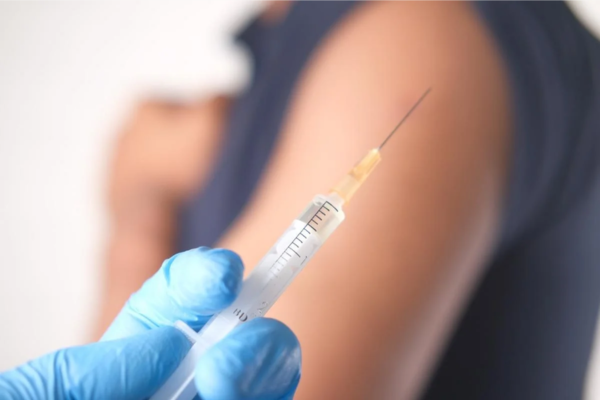
fellowship in dermatology training showing hand giving skin injection during real patient clinical practice session
FELLOWSHIP

FELLOWSHIP IN DERMATOLOGY

FELLOWSHIP IN DERMATOLOGY Discover the world of  fellowship in dermatology a practice-focused postgraduate diploma programme, this course is ideal for medical professionals who want to enhance their diagnostic skills, offering clinical training and expert guidance. Course Price ₹ 2,50,000 ₹2,00000 Buy Course Now Get Free Details For Course Batch starts on Jan to Dec/ May to June Course Duration 12 Months Multimodal Program Hybrid Mode & Clinical Attachment Flexible payment financing options available Sample Certificate For Course FELLOWSHIP IN DERMATOLOGY MGA Medical Global Academy offers a premier fellowship in dermatology after MBBS that is designed for healthcare professionals who want to step confidently into specialized skin care. As medical science evolves, dermatological expertise has become an essential part of modern clinical practice. This 12-month structured program will enable you to gain clear insights and understanding of observing and integrating advanced skin treatments with precision and confidence. The demand for advanced dermatology and cosmetic surgery procedures has been rising at a very fast rate in India, particularly in multispecialty and cosmetic clinics, and therefore, the demand for trained doctors has been rising. This fellowship program will enable the participants with an in-depth understanding of skin conditions, the process of planning dermatologic surgery, and the precision of treatments and their impact on patient outcomes. Download Brochure in Whatsapp What you’ll learn Unveiling the Skin Canvas Deciphering Dermatological Dilemmas Patterns and Pathways Emergencies and Beyond Tools of the Trade Tumultuous Tumors Key Features Attending /Non-Attending Classes Clinical Training in Nearest Hospital/Clinics.  Free Study Material with recorded lectures  Best Faculties (Super Specialists) of India 5. Library Access & Question & Answer Session6. NAAC A+ University7. 1 Year of Mentorship8. Updated Curriculum Course Curriculum Advanced Dermatologic Diagnostics Clinical Diagnosis and Workup: Common and uncommon dermatologic diseases. Dermatoscopy: New methods of skin cancer early detection using dermatoscopic instruments. Histopathology and Dermatopathology: Intensive analysis of skin biopsy, immunohistochemistry, and molecular analysis. Teledermatology: Digital health and remote diagnosis in dermatology: best practice. Genetic Testing: Genetic testing in rare dermatologic disease. Dermatologic Surgery and Laser Techniques Mohs Micrographic Surgery: High-tech methods of removing skin cancer with minimum tissue damage. Laser Treatments: Fractional laser treatment Overview of laser in dermatology (fractional, CO2, pulsed dye lasers) Cosmetic Dermatologic Surgery: Non-invasive cosmetic surgeries of the face (Botox, dermal fillers, PRP) Scar Revision: Future Strategies of hypertrophic scarring, keloids, and post-surgical healing. Dermatologic Emergencies: Dermatologic emergencies [surgical] management. Advanced Medical Dermatology Psoriasis and Eczema: Best practices in the management and biologic therapies. Autoimmune Skin Disorders: Systemic Lupus erythematosus, dermatomyositis and vasculitis. Cutaneous Lymphomas:Diagnosis, staging, and treatment of cutaneous T-cell lymphoma. Pigmentary Disorders: Vitiligo, melasma, and other hyperpigmentation disorders  Acne Vulgaris and Rosacea: Advanced therapy, systemic treatment, and new treatment. Hidradenitis Suppurativa: Multidisciplinary approach to the management of this chronic inflammatory skin disease. Pediatric Dermatology Routine Pediatric Dermatology: Eczema, impetigo, and atopic dermatitis. Genodermatoses: Epidermolysis bullosa and ichthyosis are genetic skin diseases in children. Neonatal Dermatology: Neonatal acne, dermatologic manifestations of systemic disease, birthmarks. Pediatric Dermatology: Dermatologic Manifestations of Systemic Conditions Rheumatic Disease, Metabolic Disease, and Genetic Syndrome. Laser Therapy in Pediatrics: Laser treatment of children, safe and effective. Cutaneous Oncology Skin Cancer Epidemiology and Prevention: Melanoma, basal cell carcinoma and squamous cell carcinoma. Innovative Melanoma Management: Immunotherapy, targeted therapy and surgery. Non-Melanoma Skin Cancer: Prevention, surveillance and current treatment recommendations. Cutaneous Metastases: Syndrome and treatment of systemic cancer cutaneous involvement. Sentinel Lymph Node Biopsy: Surgical indications and procedures of cutaneous oncology. Cosmetic Dermatology and Aesthetic Procedures Aesthetic Rejuvenation: Complex botox, Dermal fillers, and PDO thread lifts. Hair Restoration: PRP injections, scalp micropigmentation and hair transplant. Chemical Peels and Microneedling: Indications, procedures and patient selection. Improved Skin Resurfacing: CO2 laser, Radiofrequency and PRP micro needling. Patient Safety and Ethics: Dealing with patient expectations, informed consent, and ethics in cosmetic surgery. Dermatologic Research and Clinical Trials Dermatologic Research principles: data analysis, statistics interpretation and study design. Dermatology Advances: New drugs, gene editing, and Stem cell therapy. Dermatology Clinical Trials: Guide to regulations and clinical trials. Publication Ethics: Dermatologic research, such as peer reviewed journal writing and publication. Research Methodology: Systematic Reviews, meta-analysis and evidence based dermatology.  Dermatology in Special Populations Dermatology in Pregnancy: Safe Pregnancy and the Skin. Geriatric Dermatology: Skin alterations, treatment problems and management of chronic skin diseases. Skin Care in HIV, cancer and transplant patients: Dermatological problems of Immunocompromised patients. Ethnically diverse population: dermatology Dermatology: Ethnicity and skin management: addressing the skin and its diversity. Global dermatology: Tropical dermatology, neglected tropical diseases, and dermatologic care of underserved communities. Dermatology Practice Management and Leadership Practice Management: Practice development and management, billing, coding, and patient circulation. Dermatology Leadership: Building leadership skills, mentoring and leadership in a dermatology team. Quality Improvement: Clinical pathway implementation and patient outcomes. In Dermatology Telemedicine: Theazinerman et al. (2019) inquire in the context of specialization in dermatology. Ethics and Legal Issues in Dermatology: Malpractice, informed consent and professional conduct. Dermatologic Immunology Immunodermatology: The pathogenesis of skin autoimmune diseases, pemphigus, pemphigoid, and bullous diseases. Cytokines and Immune Pathways: The contribution of cytokines in skin inflammation, allergy and hypersensitivity reactions. Biologic Therapies in Dermatology: The use of biologic in the treatment of psoriasis, atopic dermatitis, and chronic urticaria. Cutaneous T-cell Lymphoma (CTCL): pathophysiology, diagnosis, and therapy with immunotherapies. Immunosuppressive Therapy: The best practices in the immunosuppressive therapy management in dermatology. Dermatologic Pharmacology Pharmacodynamics and Pharmacokinetics: Pharmacodynamics and Pharmacokinetics of drugs with respect to dermatology. Topical Therapies: Innovations, improved topical drug delivery, and delivery systems. Systemic therapies: Oral and Biologic medicines in the treatment of dermatology. Emerging Drug Therapies: Next generation: Gene therapy, small molecule inhibitor and gene therapy in dermatology. Adverse Drug Reactions: Diagnosing and treating drug-induced skin reactions, such as cutaneous adverse events of systemic drugs. Dermatology in Aging Populations Mechanisms of Skin aging: Cellular and molecular mechanisms of skin aging, including collagen degradation and oxidative stress. Dermatologic Conditions in aged persons: treatment of xerosis, actinic keratosis, basal cell carcinoma, and other prevalent diseases. Skin Diseases of Old Age: Skin disease in old age, seborrheic keratosis, senile purpura, aging and

FELLOWSHIP

FELLOWSHIP IN COSMETIC GYNECOLOGY

FELLOWSHIP IN COSMETIC GYNECOLOGY Discover the world of Aesthetic Gynecology Fellowships A practice-focused postgraduate diploma program. Ideal for medical professionals who want to enhance their diagnostic skills, this course offers clinical training and expert guidance. Course Price ₹ 2,50,000 ₹2,00000 Buy Course Now Get Free Details For Course Batch starts on Jan to Dec/ May to June Course Duration 12 Months Multimodal Program Hybrid Mode & Clinical Attachment Flexible payment financing options available Sample Certificate For Course FELLOWSHIP IN COSMETIC GYNECOLOGY The cosmetic gynecology fellowship aims at offering organized training in both aesthetic and functional gynecological operations in a clinical context. The program provides mentored practice of the commonly practiced procedures, both non-surgical and surgical, and focuses on patient selection, treatment planning, and procedural safety. The participants are also involved in case based learning and clinical discussions in the presence of the experienced faculty. The fellowship will be appropriate to medical practitioners who want to learn about the scope and practice of cosmetic gynecology in the modern context, focusing on evidence-based care and proper patient outcomes. Download Brochure in Whatsapp What you’ll learn Introduction to Cosmetic Gynaecology Anatomy and Cosmetic Classification of the vulval complex Ethics and legal implications in Cosmetic Gynaecology Setting up practice Patient Selection and Counselling Genitourinary Syndrome of Menopause Key Features Attending /Non-Attending Classes Clinical Training in Nearest Hospital/Clinics. Free Study Material with recorded lectures Best Faculties (Super Specialists) of India 5. Library Access & Question & Answer Session6. NAAC A+ University7. 1 Year of Mentorship8. Updated Curriculum Course Curriculum Fundamentals of Cosmetic Gynecology Introduction to Aesthetic and Functional Gynecology. Female Genital Structures Anatomy and Physiology. Selection and Consent of Patients and Ethics. Psychological Processing and Psychological Counseling on Intimate Aesthetic Procedures. Clinical Photography/ Documentation Standards. Non-Surgical Rejuvenation Techniques Laser and Radiofrequency vaginal tightening. Use of High-Intensity Focused Ultrasound (HIFU) Carboxytherapy and Electromagnetic Pelvic Floor Stimulation Genital Skin Lightening and Pigmentation Treatment Safety Procedures and Calibration of Energy-based Devices. Injectable and Regenerative Therapies Platelet-Rich Plasma (PRP) in Vaginal Rejuvenation. A-Spot, G-Spot and O-Spot Augmentation Techniques. Application of Dermal Fillers in Labia Majora, Clitoral Area. Fat Grafting and Use of Autologous Tissues. Biologic Innovations and Stem Cell Therapies. Cosmetic Gynecology Surgery Labiaplasty: Surgery and Indications. Clitoral Hood Reduction Vaginoplasty and Perineoplasty Hymenoplasty: Cultural, Ethical, and Technical. Hymenoplasty: Technological, Ethical, and Cultural. Complications and Management of Surgery. Intimate Area Dermatology and Laser Applications Vulvar Laser Hair Removal. Scar, Stretch Mark, Skin Texture Treatment. Vulvar and Perianal Aesthetics Chemical Peels. Use of Intense Pulsed Light (IPL) in Pigmentation Issues Intimate Skin Care Cosmetics. Sexual Wellness and Functional Gynecology Female Sexual Dysfunction Assessment. Vaginal Dryness and Atrophy. Urinary Incontinence: Non-surgical Management. Combinations of Sexual Wellness and Aesthetic Practices. Hormonal Support and Menopause-Related Changes. Advanced Vulvo-Vaginal Aesthetic Techniques Labia Majora Augmentation (Advanced) Vulvar Fat Transfer Techniques GSM Radiofrequency Micro-needling of Genital Skin. Tissue Tightening Genital PDO Thread Lifting. Combination Therapies Laser + PRP or Fillers. Global Trends and Cultural Sensitivity Aesthetic Preferences and Trends around the world. Aesthetic Requests in Intimacy. Cultural Techniques of Communication. Dealing with Expectations and Beauty Ideals. Cross-Cultural Cosmetic Practice Ethical Iss. Postpartum and Menopausal Aesthetic Care Mommy Makeover: Genital Restoration Post-Delivery. Vaginal Laxity and Atrophic Vaginitis Post-Menopausal Vulvar Rejuvenation. Hormonal and Nutraceutical Support. Lifestyle Changes to Improve. Scientific Research and Innovation in Cosmetic Gynecology Interpretation of Scientific Literature and Clinical Trials. Writing and Presenting Case reports and Studies. Advocates in Biomaterials and Regenerative Medicine. Ethics and Design of Clinical Studies. Publication of Journal articles, Conferences and CME. Legal, Ethical, and Risk Management International Guidelines and Standards (e.g., ISCG, ACOG) Informed Consent and Medico-Legal Documentation Risk Assessment and Managing Complications Cosmetic Gynecology Insurance and Liability. Ethics of Advertising and Patient Testimonials Digital Technologies and AI in Cosmetic Gynecology The use of Artificial Intelligence in Aesthetic Diagnosis. Remote Intimate Care and Teleconsultation. Planning of Imaging Technologies and Augmented Reality. EHRs, CRM Tools and Digital Documentation. Cybersecurity and privacy of patients in Aesthetic Practice. Nutrition, Wellness & Anti-Aging in Intimate Health Nutrition and the Mucosal Health of the Genitals. Hormonal Balance and Sexual Wellness nutraceuticals. Vaginal Health: Detox and Anti-Inflammatory Diets. Intimate Care Strategy of Anti-aging. Whole Person Wellness in Female Patients. Laser Science and Safety in Intimate Procedures Mechanism of Action of Laser Devices Physics. Interaction of Tissues with various wavelengths. Laser Room Set-Up and Safety Precautions. Prevention and Treatment of Laser Burns or Pigmentation Changes. Laser Maintenance, Calibration and Updates. Male Intimate Aesthetics (Optional/Advanced) Summary of Male Genital Cosmetic Requests. Erectile Support PRP and Laser. Penis Fillers and Girth Enhancement (overview only) Male Sexual and Hormonal Health. Moral and Medical Issues in Male Intimate Aesthetics. Intimate Wellness in LGBTQ+ Care Gender-Affirming Aesthetic Considerations Addressing Sexual Wellness in Transgender Women Gender-Fluid and Non-binary Patients: Communication. Non-binary and Gender-Fluid Patient Communication Inclusiveness, Sensitivity, and Ethical Practice during LGBTQ+ care. Psychosocial and Emotional Impact of Intimate Aesthetics Genital Self-Esteem and Body Image. Aesthetic Candidate Psychological Assessment. Emotional After-operative Results and counseling. Treatment of Unrealistic Expectations and Dysmorphophobia. Cooperation with Psychologists and Sex Therapists. Complementary Therapies in Intimate Aesthetics Ayurveda, Homeopathy or Traditional Medicine. Pelvic Floor Muscle Relief and Acupuncture. Genital Skin Health and Aromatherapy. Genital Skin Health and Aromatherapy. Assessing Evidence in Complementary Methods. Our Accrediation Partners Fill Form Our Team Will Contact Soon Choose medicalglobalacademy as your trusted partner for medical education and elevate your expertise to new heights. Enroll Now Program Highlights Duration: 12 Months Type: Hybrid (Online + Clinical Training) Areas of focus: Aesthetic and functional gynecological procedures. Mentorship: Senior gynecologists and aesthetic experts. Accreditation: CPD UK Certified Mode of learning: Flexible to practicing professionals. Program Structure Phase I: Academic & Theoretical Training (Online) This stage is dedicated to the development of the basic knowledge in cosmetic gynecology. Curriculum Focus: Anatomy and physiology of the female pelvis. Surgical indications of cosmetic and functional surgery. Assessment and treatment planning of patients. Principles of non-surgical and surgical interventions Regenerative therapies and energy-based devices. Complications awareness and patient counselling. Learning Components: Live interactive classes with professional faculty. Live lectures

FELLOWSHIP

FELLOWSHIP IN CARDIOTHORACIC SURGERY

FELLOWSHIP IN CARDIOTHORACIC SURGERY Discover the world of Cardiothoracic Surgery Fellowships A practice-focused postgraduate diploma program. Ideal for medical professionals who want to enhance their diagnostic skills, this course offers clinical training and expert mentorship. Course Price ₹ 2,50,000 ₹2,00000 Buy Course Now Get Free Details For Course Batch starts on Jan to Dec/ May to June Course Duration 12 Months Multimodal Program Hybrid Mode & Clinical Attachment Flexible payment financing options available Sample Certificate For Course FELLOWSHIP IN CARDIOTHORACIC SURGERY The Cardiothoracic Surgery Fellowship offered by MGA Medical Global Academy is a well-rounded program that will prepare future surgeons to excel in the profession in terms of skills and knowledge. The fellowship encompasses a vast clinical experience, practical training and comprehensive course in cardiothoracic and non-cardiac surgery. The participants will be able to work with the top professionals, engage in multidimensional operations and become familiar with innovative technologies. The program focuses on the multidisciplinary approach and encourages the cooperation of various specialties in order to provide better care to patients. Alumni of this fellowship will be ready to meet the current cardiothoracic surgical challenges and contribute greatly to the medical fraternity. Download Brochure in Whatsapp What you’ll learn Introduction to Cardiothoracic Surgery Cardiac Surgery Thoracic Surgery Surgical Techniques and Instrumentation Critical Care and Postoperative Management Advanced Cardiac Surgery Key Features Attending /Non-Attending Classes Clinical Training in Nearest Hospital/Clinics.  Free Study Material with recorded lectures  Best Faculties (Super Specialists) of India 5. Library Access & Question & Answer Session6. NAAC A+ University7. 1 Year of Mentorship8. Updated Curriculum Course Curriculum Fundamentals of Cardiothoracic Surgery Anatomy of the Heart, Lungs, and Chest Wall Basic Surgical Principles in Cardiothoracic Surgery Preoperative Evaluation and Patient Management Imaging Techniques (CT, MRI, Angiography, Echocardiography) Emergency Management of Cardiothoracic Conditions Simulation Training: Basic Thoracic and Cardiovascular Procedures Adult Cardiac Surgery Coronary Artery Bypass Grafting (CABG) Aortic Surgery (Dissection, Aneurysms, Valve Replacement) Valvular Surgery (Mitral, Aortic, Tricuspid, Pulmonary) Minimally Invasive Cardiac Surgery (Robot-Assisted, Endoscopic Techniques) Heart Failure Surgery (Ventricular Assist Devices, Transplantation) Postoperative Care: Intensive Monitoring and Recovery Protocols Research and Emerging Technologies in Cardiac Surgery Thoracic Surgery Lung Cancer Surgery (Lobectomy, Pneumonectomy, VATS) Esophageal Surgery (Esophagectomy, Anti-Reflux Procedures) Mediastinal Tumor Resection Minimally Invasive Thoracic Surgery (VATS, Robotic Techniques) Pleural Diseases and Pleurisy Management of Tracheal and Bronchial Pathologies Perioperative Care and Complication Management Pediatric Cardiothoracic Surgery Congenital Heart Disease: Surgical Approaches and Repairs Neonatal and Infant Cardiothoracic Procedures Neonatal and Infant Cardiothoracic Procedures Fetal Cardiac Surgery and Intervention Postoperative Management of Pediatric Cardiothoracic Patients Surgical Innovations in Pediatric Cardiothoracic Care Cardiac Transplantation and Mechanical Circulatory Support Heart Transplantation: Indications, Procedure, and Follow-Up Heart Transplantation: Indications, Procedure, and Follow-Up Post-Transplant Immunosuppression and Complications Long-Term Care and Rejection Monitoring Transplantation Ethics and Organ Procurement Multidisciplinary Team Management in Transplant Care Multidisciplinary Team Management in Transplant Care Robotic-Assisted Heart Surgery Endoscopic Techniques in Thoracic Surgery Transcatheter Aortic Valve Replacement (TAVR) Percutaneous Coronary Intervention (PCI) and Hybrid Procedures Advanced Endovascular Techniques in Cardiothoracic Surgery Simulation Labs for Robotic and Minimally Invasive Procedures Cardiothoracic Surgical Research and Innovation Current Trends in Cardiothoracic Surgical Research Innovations in Heart and Lung Surgery Clinical Trials and Translational Research Biomaterials and Prosthetics in Cardiothoracic Surgery Data-Driven Decision-Making in Surgery Ethical Issues in Surgical Research Surgical Leadership and Professionalism Leadership Skills in Cardiothoracic Surgery Communication with Multidisciplinary Teams Ethical Dilemmas in Cardiothoracic Surgery Crisis Management in Surgical Settings Mentorship and Teaching in Academic Surgery Legal and Medicolegal Issues in Cardiothoracic Surgery Vascular Surgery in Cardiothoracic Practice Endovascular Surgery for Aortic Diseases Carotid Artery Disease and Surgery Peripheral Vascular Disease in Cardiac Patients Venous Disease and Surgical Approaches Venous Disease and Surgical Approaches Hybrid Surgery: Combining Endovascular and Open Techniques Pulmonary Hypertension and Right Heart Failure Pathophysiology of Pulmonary Hypertension Medical Management and Pharmacotherapy Surgical Management: Pulmonary Endarterectomy and Transplantation Right Heart Failure: Surgical and Medical Interventions Pulmonary Arterial Hypertension (PAH) and Cardiac Resynchronization Therapy Postoperative Care and Long-Term Follow-Up of Pulmonary Hypertension Patients Advanced Cardiac Imaging for Surgeons Cardiac CT and MRI: Advanced Imaging Techniques Three-Dimensional (3D) Imaging and Surgical Planning Echocardiography in Surgical Planning Transesophageal Echocardiography (TEE) and Its Role in Surgery Quantifying Coronary and Valvular Disease Using Imaging Integration of Imaging in Minimally Invasive and Robotic Surgery Neurocognitive Care and Outcomes in Cardiothoracic Surgery Neurocognitive Dysfunction After Cardiac Surgery Stroke Prevention in Cardiac and Thoracic Surgery Cerebral Protection Techniques During Cardiac Surgery Neuropsychological Assessment in Postoperative Care Rehabilitation and Recovery of Cognitive Function Patient and Family Education for Neurological Outcomes Robotic-Assisted Surgery in Thoracic and Cardiac Procedures Introduction to Robotic Surgery Systems (Da Vinci, etc.) Robotic Lobectomy and Other Thoracic Procedures Robotic Mitral Valve Repair and Aortic Valve Surgery Minimally Invasive Robotic Coronary Bypass Surgery (CABG) Challenges and Limitations of Robotic Surgery in Complex Cases Training and Simulation in Robotic Techniques Robotic Surgery in Pediatric Cardiothoracic Surgery Advanced Heart Failure and Mechanical Circulatory Support Advanced Heart Failure Diagnosis and Management Ventricular Assist Devices (VADs): Indications, Insertion, and Management ECMO in Critical Cardiac and Pulmonary Failure ECMO in Critical Cardiac and Pulmonary Failure Post-Operative Management of VAD and Transplant Patients Long-Term Care for Heart Failure and MCS Patients Ethical Considerations and Quality of Life in Advanced Heart Failure End-of-Life Care and Palliative Surgery Palliative Surgery for Inoperable Conditions Ethical Considerations in End-of-Life Decisions Communication with Families in Terminal Cases Symptom Management: Pain, Dyspnea, and Other Symptoms Integrating Palliative Care into Cardiothoracic Practice Supportive Care for Cardiothoracic Surgery Patients with Limited Prognosis Our Accrediation Partners Fill Form Our Team Will Contact Soon Choose medicalglobalacademy as your trusted partner for medical education and elevate your expertise to new heights. Enroll Now Program Highlights Duration: 12 Months Format: Hybrid Model: Online + Clinical Training. Clinical Exposure: Perioperative care, cardiac and thoracic surgery. Mentorship: Cardiothoracic surgeons and cardiac specialists with experience. Accreditation: CPD UK Certified. Learning Style: Adaptable to practicing surgeons. Program Structure Phase I: Theory and University Training (Online) This stage is dedicated to the development of a solid background in the principles of cardiothoracic surgery and

FELLOWSHIP

FELLOWSHIP IN BREAST SURGICAL ONCOLOGY

FELLOWSHIP IN BREAST SURGICAL ONCOLOGY Explore the World of Fellowship in Breast Surgical Oncology with our practical-based Postgraduate Diploma program. Designed for medical professionals seeking to excel in diagnostics and surgical expertise, this program offers clincal training and expert guidance in the latest advancements in breast cancer treatment and surgery. Gain specialized skills, work alongside leading oncologists, and make a difference in the fight against breast cancer. Enroll today and take your medical career to the next level! Course Price ₹ 2,50,000 ₹2,00000 Buy Course Now Get Free Details For Course Batch starts on Jan to Dec/ May to June Course Duration 12 Months Multimodal Program Hybrid Mode & Clinical Attachment Flexible payment financing options available Fellowship in Breast Surgical Oncology The Breast Surgical Oncology Fellowship at MGA Medical Global Academy is for surgeons seeking to expand beyond basic operative surgical skills to become a specialist in evidence-based cancer care. The focus is on developing clinical leadership, where you are not only operating but also providing leadership in treatment. The program covers the spectrum of breast cancer cases, including early-stage, complex and advanced cancer. The fellowship doesn’t just teach surgery; it focuses on how surgery relates to chemotherapy, radiotherapy, reconstruction and patient outcomes. How the Training Actually Works The training is both theoretical and clinical. This ensures you can translate theory to practice when treating patients. This includes: Diagnosis, staging and work-up of breast cancer Standard surgical techniques: lumpectomy, mastectomy, sentinel lymph node biopsy (SLNB) and axillary lymph node dissection (ALND) Oncoplastic surgery and breast reconstruction techniques Interpretation of imaging (MRI, ultrasound, PET-CT) to guide surgery Tumor board and case presentations Use of systemic therapy (chemotherapy, hormonal, targeted therapy) in conjunction with surgery At the end of the training, you should be able to independently develop and implement breast cancer treatment strategies, rather than just participate in procedures. How This Fellowship Transforms Your Practice A systematic approach to breast surgical oncology transforms your role from a surgical practitioner to a holistic clinician. This is evident in: Better surgical decision-making for optimal cosmetic and oncological results Assurance in the treatment of advanced breast cancers More active role in multidisciplinary teams Improved patient care with multimodal therapies Capacity to integrate oncologic, reconstructive and cosmetic surgery This ultimately leads to higher career value and recognition. Where This Fellowship Positions You Upon completion of the program, you’re a committed specialist in breast cancer care, with career opportunities in several different areas: Career pathways include: Specialist positions in cancer hospitals and cancer clinics Creation or running of breast care units Working in multidisciplinary tumor boards Education, training and research Expertise in oncoplastic and reconstructive breast surgery In practical terms you transition from working with protocols to creating and leading care plans for patients. Download Brochure in Whatsapp What you’ll learn Introduction to Breast Surgical Oncology Diagnostic Techniques Surgical Techniques and Procedures Multidisciplinary Management Advanced Treatment Options Oncological Emergencies and Complications (Month 7) Key Features Attending /Non-Attending Classes Clinical Training in Nearest Hospital/Clinics.  Free Study Material with recorded lectures  Best Faculties (Super Specialists) of India 5. Library Access & Question & Answer Session6. NAAC A+ University7. 1 Year of Mentorship8. Updated Curriculum Course Curriculum Introduction to Breast Cancer and Fundamentals of Breast Surgery Fundamentals of breast cancer biology and genetics Principles of breast surgery Principles of oncological surgery and cancer staging Evaluation and work-up of the patient Radiology in breast cancer work-up Surgery for early-stage breast cancer Advanced Surgical Techniques in Breast Cancer Lumpectomy and mastectomy techniques Sentinel lymph node biopsy (SLNB) Axillary lymph node dissection (ALND) Oncoplastic surgery: aesthetic and reshaping surgery Breast reconstruction after mastectomy Keyhole breast surgery Robotic surgery for breast cancer Multidisciplinary Approach to Breast Cancer Treatment Working with oncologists, radiologists, pathologists and reconstructive surgeons Importance of chemotherapy, radiotherapy and hormonal treatment Treatment of high-risk breast cancer patients Tumor board and case presentations Psychosocial issues in breast cancer care Cutting-Edge Research in Breast Cancer Surgery Recent advances in breast cancer genomics and precision medicine New developments in neoadjuvant and adjuvant treatments Targeted therapies in surgical oncology Immunotherapy and personalised medicine in breast cancer Performing and publishing breast cancer research Translational breast surgical research Postoperative Care and Follow-up of Breast Cancer Patients Treatment of complications (infection, hematoma, lymphedema) Postoperative pain control in breast surgery Physiotherapy after surgery Surveillance and follow-up for recurrence Psychosocial support and counselling Complex and Reconstructive Breast Surgery Complex breast reconstruction (autologous and implants) Breast reconstruction for complications and aesthetics Locally advanced breast cancer Surgical management of recurrence and metastatic breast cancer Psychology of breast reconstruction Aesthetics and breast cancer surgery Innovations in Breast Cancer Imaging and Diagnostics Advanced breast imaging technologies (MRI, PET-CT, ultrasound) Use of molecular imaging in surgery Liquid biopsy and genetic testing for diagnosis and therapy Impact of breast density on screening Artificial intelligence and digital pathology for breast cancer Global Perspectives and Ethical Considerations in Breast Surgery Global inequalities in breast cancer treatment Ethical issues in breast cancer surgery and care Cultural aspects of breast cancer care Addressing the psychological effects of breast cancer in different cultures Education and advocacy for breast cancer awareness Strategies to address disparities in breast cancer care Oncoplastic Surgery and Aesthetic Considerations in Breast Cancer Treatment In-depth discussion of oncoplastic breast conservation Cosmetic results with breast-conserving surgery Correcting post-surgical breast asymmetry Achieving cosmetic outcomes without compromising oncological outcomes Improving patient outcomes and satisfaction after surgery Using intraoperative imaging during oncoplastic surgery Advanced Lymphatic Management and Lymphedema Understanding the pathophysiology and diagnosis of lymphedema The role of lymphatic mapping in surgery Surgical options for axillary lymph nodes and lymphedema prevention Conservative management and rehabilitation for lymphedema Treatment with lymphatic microsurgery and vascularized lymph node transfer Multidisciplinary approaches to lymphedema care Genetic Testing and Risk Stratification in Breast Cancer Hereditary breast cancers (BRCA1, BRCA2, other mutations) Incorporating genetic counseling and testing in surgery Approaches for high-risk patients with genetic mutations Prophylactic surgeries and risk reduction strategies Family history of breast cancer and genetic syndromes other than BRCA Genetic testing for breast

FELLOWSHIP

FELLOWSHIP IN ECHOCARDIOGRAPHY

FELLOWSHIP IN ECHOCARDIOGRAPHY Explore the Fellowship in Echocardiography with our practical-based Postgraduate Diploma program. Designed for medical professionals eager to specialize in cardiac diagnostics, this course provides clinical training and expert guidance, equipping you with the skills needed to perform and interpret echocardiograms effectively, advancing your expertise in heart disease diagnostics. Course Price ₹ 2,50,000 ₹2,00000 Buy Course Now Get Free Details For Course Batch starts on Jan to Dec/ May to June Course Duration 12 Months Multimodal Program Hybrid Mode & Clinical Attachment Flexible payment financing options available Program Overview The Echocardiography Fellowship at MGA Medical Global Academy is tailored for clinicians seeking to build solid, independent skills in cardiac imaging, and transition from reporting to interpretation. Here, you’ll learn to understand cardiac structure, function, and hemodynamics through the lens of cardiac imaging, enabling you to translate the information to clinical decision-making. The curriculum is tailored to how echocardiography is used in clinical cardiology, encompassing everything from basic transthoracic to more specialised techniques such as transesophageal and 3D echocardiography. Rather than focusing purely on the technical aspects of echocardiography, the fellowship addresses the clinical reasoning involved – providing you with an understanding of not only what you are seeing on the screen, but what it means for patient diagnosis, treatment and prognosis. How the Training Reflects Real Clinical Practice The training is tailored to the role of echocardiography in clinical cardiology. You learn to perform, interpret and integrate the information for a broad spectrum of clinical conditions. Through the fellowship, you learn to: Performing and interpreting transthoracic (TTE) and transesophageal echocardiography (TEE) Evaluating ventricular function, valve disease and hemodynamic status Using Doppler to assess flow and pressures Employing enhanced techniques like 3D echo and contrast echo Assessment of complex heart diseases such as heart failure, cardiomyopathies and congenital heart defects We focus on you becoming familiar with image acquisition and interpretation, which are the areas of difficulty. What Changes in Your Clinical Practice When you feel comfortable with echocardiography, the way you manage patients transform. You no longer rely on reports from someone else – you become an integral decision maker. For doctors, this means: Quick and reliable decisions at the point of care Enhanced diagnosis in the emergency room and ICU Improved evaluation of heart valve and congenital disorders Decreased need for referrals to radiology In terms of practice, echocardiography is a high-yield and in-demand skill, which leads to: More patient referrals, particularly in the cardiac OPD and ICU Increased revenue from procedures and diagnosis Improved career opportunities in hospital and private practice Where This Fellowship Positions You Through training and experience, you become a clinician who is comfortable using imaging as part of their day-to-day practice. This opens pathways to: Practice in cardiac units, ICUs and general hospitals Develop a practice in non-invasive cardiac imaging Get involved in intraoperative, emergency and critical care cardiology Broaden your skills in advanced imaging, education and research Download Brochure in Whatsapp What you’ll learn BASICS OF ECHOCARDIOGRAM Basics of CVS Basic Clinical Cardiology Patient Evaluation ECHO IN COMMON PRACTICE Echocardiography in the elderly Key Features Attending /Non-Attending Classes Clinical Training in Nearest Hospital/Clinics.  Free Study Material with recorded lectures  Best Faculties (Super Specialists) of India 5. Library Access & Question & Answer Session6. NAAC A+ University7. 1 Year of Mentorship8. Updated Curriculum Course Curriculum Introduction to Advanced Echocardiography What is Echocardiography and its Use in Cardiology Physics and Principles of Ultrasound Basics of Echocardiography (Transthoracic, Transesophageal) Special Imaging Techniques (Contrast Echo, 3D Echo, Doppler) Safety and Ethics of Echocardiography Interpretation of Echocardiography Advanced Transthoracic Echocardiography (TTE) Comprehensive Left and Right Ventricular Function Assessment Left and Right Atrial Evaluation Mitral and Aortic Pathology: More in-depth assessment Pulmonary Hypertension and Right Heart Dysfunction Use of 3D Echocardiography in TTE Cardiac Output and Stroke Volume Measurements Case Studies and Clinical Training Transesophageal Echocardiography (TEE) Indications and Contraindications for TEE Approaches and Protocols for TEE Atrial and Ventricular Septal Defects Endocarditis, Prosthetic Valves and Aortopathy TEE for Structural Heart Disease TEE Image and Doppler Interpretation Interactive Case-Based and TEE Clinical Sessions Doppler Echocardiography and Hemodynamics Doppler Studies: Pulsed, Continuous and Tissue Doppler Valve Assessment (Regurgitation, Stenosis) Assessment of Cardiac Output, Stroke Volume, Blood Flow Doppler in Acute and Chronic Heart Diseases Use of Doppler in Congenital Heart Disease Practical Training with Doppler Imaging and Analysis 3D Echocardiography and Real-Time Imaging 3D Echocardiography: Technology and Tips Live Imaging for Heart Anatomy and Function 3D Evaluation of Valvular Diseases and Cardiac Chambers Use of 3D Echo for Surgical Planning Interplay of 3D Echo and Other Imaging Techniques (CT, MRI) Practical Training in 3D Echo Equipment Advanced Imaging for Valvular Heart Disease Comprehensive Assessment of Mitral, Aortic, Tricuspid and Pulmonic Valve Pathology Measurements of Valve Area and Regurgitation Use of Echocardiography in Valve Repair/Replacement Techniques for Evaluating Prosthetic Valves New Imaging for Surgery of Valvular Heart Disease Case Studies and Practice Sessions Cardiac Stress Echocardiography Basics and Indications of Stress Echocardiography Pharmacologic vs. Exercise Stress Evaluation of Ischemia and Ventricular Function Use in the Assessment of Coronary Artery Disease Pre-Operative & Post-Operative Stress Echo Case-Based and Clinical Stress Echo Sessions Pediatric and Fetal Echocardiography Special Considerations in Pediatric Echocardiography Assessment of Congenital Heart Disease in Children and Infants Fetal Echocardiography: Techniques and Modalities Screening and Treatment of In Utero Cardiac Abnormalities Pediatric and Fetal Echocardiography “Clinical” Ethical Aspects of Pediatric and Fetal Echocardiography Echocardiographic Assessment in Cardiovascular Diseases Echocardiographic Assessment of Heart Failure (Systolic and Diastolic Dysfunction) Cardiomyopathies: Diagnosis and Classification Thoracic Aortic Pathology: Dissections, Aneurysms, Endoleaks Pericardial Disease: Effusion, Tamponade, and Constriction Complex Arrhythmias and Cardiac Devices Case Studies and Interactive Case Reviews Echocardiographic Evaluation of Cardiac Tumors and Masses How to Diagnose and Classify Cardiac Tumors Benign vs. Malignant Cardiac Masses Echocardiography for Myxomas, Metastases and Thrombi Use of Advanced Imaging Techniques to Diagnose Cardiac Lymphomas and Other Rare Tumors Use of Echocardiography in Preoperative Assessment of Cardiac Tumor Resection Echocardiographic Diagnosis of Cardiac Masses: Clinical Lab Echocardiography in Perioperative Cardiology Preoperative Risk Stratification with

FELLOWSHIP

FELLOWSHIP IN DERMATOPATHOLOGY

FELLOWSHIP IN DERMATOPATHOLOGY Explore the Fellowship in Dermatopathology with our practical-based Postgraduate Diploma program. Designed for medical professionals aiming to excel in diagnostics and skin pathology, this course provides clinical training and expert guidance, equipping you with specialized skills to diagnose and manage complex skin disorders effectively. Course Price ₹ 2,50,000 ₹2,00000 Buy Course Now Get Free Details For Course Batch starts on Jan to Dec/ May to June Course Duration 12 Months Multimodal Program Hybrid Mode & Clinical Attachment Flexible payment financing options available Course Curriculum The MGA Medical Global Academy Fellowship in Dermatopathology is dedicated to enhancing this essential skill through the training of doctors to make clear and precise microscopic interpretations of skin diseases. The course aims to build the skills to interpret histopathological features in the context of clinical history and physical examination, so you can not only describe what you see, but also arrive at a diagnosis. The curriculum encompasses a broad range of skin diseases, such as inflammatory dermatoses, infections, autoimmune bullous diseases and skin cancers. The fellowship approach is not to confine learning to mere academic concepts, but to provide you with the tools to think diagnostically, enabling you to tackle challenging situations with a systematic, evidence-based approach. How the Training Translates into Practice Education is centred around diagnostic processes. You learn to interpret biopsy specimens in the same context as they are encountered in practice, by integrating morphology, clinical history and differential diagnoses. In the course, you gain skills in: Recognising inflammatory, infectious and neoplastic changes of skin biopsies Recognising common and complex skin tumors, such as melanoma and non-melanoma skin cancers Using immunohistochemistry (IHC) and special stains for routine and difficult cases Enhancing the clinicopathological correlation to guide therapy Using digital pathology and structured reporting methods This means what you learn is not only relevant, but immediately transferable into clinical practice. Impact on Your Clinical Profile And as your diagnostic skills develop, so does your confidence. You can handle more cases without external confirmation, minimising referrals. For dermatologists, this translates into improved care and outcomes. For pathologists, it provides a niche subspecialty with a steady workflow. In the long term, this results in: Increased diagnostic accuracy and reporting accuracy Greater referrals for dermatopathology consultation Improved teamwork with dermatologists and oncologists Increased consultation income Professional Scope After the Fellowship This fellowship enables you to expand your role in clinical practice to one that is more focused and valuable. You can: Collaborate with dermatology clinics, pathology labs and cancer hospitals Develop expertise in dermatopathology reporting and consultancies Work in multidisciplinary tumor boards and complex case consultations Engage in teaching and research in skin pathology Download Brochure in Whatsapp What you’ll learn Introduction to Dermatopathology Histopathological Techniques Inflammatory Skin Disorders Neoplastic Skin Disorders Specialized Dermatopathology Diagnostic Challenges and Advances Key Features Attending /Non-Attending Classes Clinical Training in Nearest Hospital/Clinics.  Free Study Material with recorded lectures  Best Faculties (Super Specialists) of India 5. Library Access & Question & Answer Session6. NAAC A+ University7. 1 Year of Mentorship8. Updated Curriculum Course Curriculum Introduction to Dermatopathology Skin anatomy and histology overview Basic pathology techniques and stains (H&E, special stains) Principles of dermatopathology diagnostic approaches Histopathological features of common dermatologic diseases Review of common benign and inflammatory skin conditions (e.g., eczema, psoriasis, benign neoplasms) Introduction to immunohistochemistry (IHC) in dermatopathology Inflammatory Skin Diseases Acute vs. chronic inflammation Psoriasis and psoriasiform dermatitis Eczematous dermatitis (contact dermatitis, atopic dermatitis, seborrheic dermatitis) Cutaneous lupus erythematosus (CLE) and other autoimmune diseases Lichenoid dermatoses (Lichen planus, drug-induced lichenoid eruptions) Vasculitis and inflammatory vascular diseases Inflammatory dermatoses associated with systemic diseases Role of direct immunofluorescence (DIF) in diagnosis Infectious Diseases of the Skin Bacterial infections: Leprosy, cutaneous tuberculosis, actinomycosis Viral infections: Herpes simplex virus, varicella-zoster virus, human papillomavirus (HPV), molluscum contagiosum Fungal infections: Dermatophytosis, candidiasis, histoplasmosis, sporotrichosis Parasitic infections: Scabies, leishmaniasis, filariasis Diagnostic techniques for infectious skin diseases (cultures, PCR, IHC) Antimicrobial resistance in dermatological infections Cutaneous Neoplasms Overview of skin cancer biology Benign tumors: Nevi, seborrheic keratosis, epidermal inclusion cysts Malignant tumors: Basal cell carcinoma (BCC), squamous cell carcinoma (SCC), melanoma Merkel cell carcinoma and rare skin malignancies (e.g., cutaneous lymphoma, sarcoma) Soft tissue tumors in the skin (e.g., dermatofibroma, lipoma) Prognostic and predictive markers in melanoma Mohs micrographic surgery pathology and indications Melanocytic lesions: Diagnosis of melanoma vs. benign nevi (Use of IHC markers) Pediatric Dermatopathology Congenital nevi and other birthmarks Pediatric inflammatory dermatoses: Diaper dermatitis, atopic dermatitis, urticaria Genetic disorders with cutaneous manifestations (e.g., neurofibromatosis, epidermolysis bullosa) Pediatric cutaneous infections (e.g., impetigo, varicella, hand-foot-mouth disease) Pediatric tumors: Rhabdomyosarcoma, hemangioma, and juvenile melanomas Skin manifestations of systemic diseases in children (e.g., Kawasaki disease, juvenile lupus erythematosus) Pigmented Lesions and Melanoma Benign pigmented lesions: Nevus, lentigo, seborrheic keratosis Early melanoma detection: Microscopic features and diagnostic criteria Melanoma subtypes and histopathologic features The role of IHC markers in melanoma diagnosis (S100, HMB-45, Melan-A) The role of IHC markers in melanoma diagnosis (S100, HMB-45, Melan-A) Molecular markers and genetic testing in melanoma Sentinel lymph node biopsy in melanoma management Challenges in the diagnosis of difficult melanocytic lesions Dermatopathology of Cutaneous Vasculitis and Autoimmune Disease Introduction to vasculitis: Small vessel vs. large vessel involvement Histopathological features of different types of vasculitis (e.g., leukocytoclastic vasculitis, systemic lupus erythematosus) Drug-induced and idiopathic vasculitis Cutaneous manifestations of autoimmune diseases (e.g., systemic lupus erythematosus, dermatomyositis, scleroderma) Dermal-epidermal junction changes in autoimmune diseases Skin manifestations of systemic autoimmune conditions Role of DIF and other special tests in diagnosis Advanced Techniques in Dermatopathology Molecular diagnostic techniques in dermatopathology (PCR, FISH, NGS) Genetic analysis of cutaneous malignancies and their implications for targeted therapy Digital pathology: Use of whole slide imaging (WSI) and telepathology Artificial intelligence in dermatopathology: Current and future applications Advances in immunohistochemistry and multiplex assays Role of next-generation sequencing (NGS) in dermatologic tumors Case-based learning with digital platforms Clinical Dermatopathology Clinical-pathological correlation: Approaching complex cases Role of dermatopathology in therapeutic decision-making Multidisciplinary approach to skin cancer management (dermatology, pathology, surgery, oncology) Use of dermoscopy and other diagnostic tools in correlation

Scroll to Top