Medical Global Academy

Author name: admin

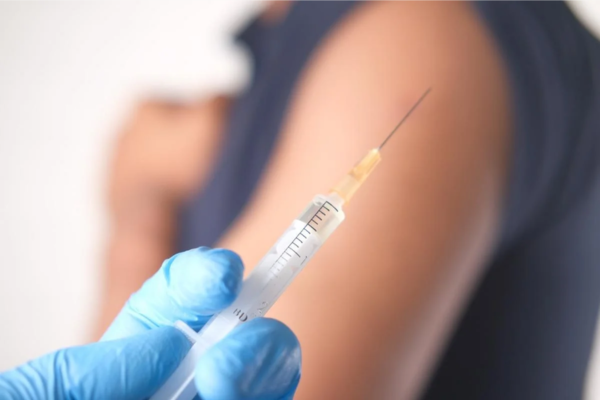
certificate in vaccine administration training for doctors to enhance skills
certificate

CERTIFICATE IN VACCINE ADMINISTRATION

CERTIFICATE IN VACCINE ADMINISTRATION Discover the world of CERTIFICATE IN VACCINE ADMINISTRATIONwith our practical-based Certificate program. Perfect for medical professionals eager to excel in diagnostic, our course offers clinical training and expert guidance. Course Price ₹ 1,30,000 ₹1,00000 Buy Course Now Get Free Details For Course Batch starts on Jan to Dec/ May to June Course Duration 12 Months Multimodal Program Hybrid Mode & Clinical Attachment Flexible payment financing options available Sample Certificate For Course CERTIFICATE IN VACCINE ADMINISTRATION Vaccine administration is a critical skill covered in the Medical Global Academy (MGA) course, focusing on ensuring the safe, effective delivery of vaccines to prevent infectious diseases. Proper vaccine administration requires understanding the types of vaccines, recommended schedules, storage and handling requirements, and injection techniques. This module covers the necessary precautions and safety protocols to prevent adverse events, such as anaphylaxis or local site reactions. Emphasis is placed on aseptic techniques, proper needle selection, and the anatomical sites for injection based on age and type of vaccine. Additionally, the course addresses communication skills, helping healthcare providers educate patients on vaccine benefits, possible side effects, and the importance of timely immunizations to build community immunity Download Brochure in Whatsapp What you’ll learn Introduction to Vaccinology Vaccine Types and Composition Storage and Handling of Vaccines Vaccine Administration Techniques Safety and Adverse Event Management Vaccine Schedules and Recommendations Key Features 1. Attending /Non-Attending Classes2. Clinical Training in Nearest Hospital/Clinics.3. Free Study Material with recorded lectures4. Best Faculties (Super Specialists) of India 5. Library Access & Question & Answer Session6. NAAC A+ University7. 1 Year of Mentorship8. Updated Curriculum Our Accrediation Partners Fill Form Our Team Will Contact Soon Choose medicalglobalacademy as your trusted partner for medical education and elevate your expertise to new heights. Enroll Now Frequently Asked Questions How do I apply for a course? To apply, visit the course page of your interest and click on the ‘Apply Now’ button. Follow the instructions to complete your application. You may need to submit relevant documents and a resume. Are the courses accredited? Yes, all our courses are accredited by recognized medical and educational institutions. Details of accreditation can be found on each course page. Are there any online courses available? Yes, we offer a variety of online courses to provide flexibility for our students. Check the course descriptions for information on whether a course is available online. How can I contact support for more information? You can contact our support team via email at support@medicalglobalacademy.com or call us at [+919310027474]. Our support team is available Monday to Friday from 9 AM to 6 PM. Enroll Now

Certificate in research methodology concept showing data analysis, teamwork, study planning, and academic research tools
certificate

CERTIFICATE IN RESEARCH METHODOLOGY

CERTIFICATE IN RESEARCH METHODOLOGY Discover the world of CERTIFICATE IN RESEARCH METHODOLOGYwith our practical-based Certificate program. Perfect for medical professionals eager to excel in diagnostic, our course offers clinical training and expert guidance. Course Price ₹ 1,30,000 ₹1,00000 Buy Course Now Get Free Details For Course Batch starts on Jan to Dec/ May to June Course Duration 12 Months Multimodal Program Hybrid Mode & Clinical Attachment Flexible payment financing options available Certificate in Research Methodology The Certificate in Research Methodology is an organized course that is aimed at equipping healthcare professionals and students with a solid background in scientific research and evidence-based practice. The skills to design, conduct, and interpret research are necessary in the modern healthcare environment that is data-driven with the aim of improving clinical outcomes and advancing medical knowledge. The program that MGA (Medical Global Academy) provides, deals with the basic concepts of research such as study design, hypothesis formulation, data collection methods, biostatistics, literature review and ethical considerations. It integrates theoretical knowledge with practice, so members can know the whole research process starting with generating an idea until publishing. The course is recommended to medical professionals, students, and academicians, who wish to develop research skills, become contributors to scientific research, or enrich their academic and clinical careers. Outcome After successful accomplishment of the program, learners will: Establish a good comprehension of research design, research methodology as well as scientific research. Understand how to construct research questions, hypotheses and study objectives. Learn how to perform a literature review and develop a research gap. Know qualitative, quantitative, and mixed-method research methods. Learn simple to complex information on biostatistics and data analysis. Know how to gather, store and analyze research data efficiently. Use ethical standards and regulations in research practice. Learn about the process of writing manuscripts, publication, and peer-review. Develop skills to critically analyze medical literature and research results. On the whole, the program will enable learners to possess the competencies needed to engage in quality research and add to evidence-based healthcare. Career Opportunities Upon the completion of the Certificate in Research Methodology, the professionals will be able to pursue numerous academic, research-oriented positions, which include: Clinical Research Associate (CRA) Research Assistant / Research Coordinator. Medical Research Analyst Academic Researcher Public Health Research Professional. Clinical Data Analyst Healthcare Consultant (Research & Evidence-Based Practice) The skills required in research are greatly appreciated in hospitals, academic institutions, pharmaceutical companies and even in the organizations that assist in promoting health. This certification improves career opportunities, as it opens career opportunities both in the clinical practice and research fields, making the professionals more competitive in the changing healthcare environment. Download Brochure in Whatsapp What you’ll learn Introduction to Research Methodology Literature Review and Hypothesis Formulation Research Design and Sampling Techniques Data Collection Methods and Tools Data Management and Analysis Qualitative Research Techniques Key Features 1. Attending /Non-Attending Classes2. Clinical Training in Nearest Hospital/Clinics.3. Free Study Material with recorded lectures4. Best Faculties (Super Specialists) of India 5. Library Access & Question & Answer Session6. NAAC A+ University7. 1 Year of Mentorship8. Updated Curriculum Course Curriculum Introduction to Research and Scientific Inquiry Definition and importance of research in healthcare Types of research: Basic, applied, clinical, translational Characteristics of good research Formulating research questions and objectives Research ethics and integrity Literature Review and Problem Identification Importance of literature review in research Searching scholarly databases (PubMed, Scopus, etc.) Identifying research gaps Framing a research problem and hypothesis Referencing tools (Zotero, Mendeley) Study Design and Methodology Qualitative vs. Quantitative research Experimental, observational, cross-sectional, and cohort studies Sampling techniques and sample size calculation Validity and reliability of research tools Study protocol development Data Collection and Analysis Tools and techniques for data collection (questionnaires, interviews, surveys) Primary vs. secondary data Basics of biostatistics Data analysis using software (SPSS, R, Excel) Interpretation of findings Research Ethics and Regulatory Guidelines Informed consent and confidentiality Institutional Review Board (IRB) process Ethical issues in human and animal research International ethical guidelines (ICH-GCP, Declaration of Helsinki) Advanced Biostatistics and Data Interpretation Descriptive vs. inferential statistics Parametric and non-parametric tests Confidence intervals and p-values Correlation, regression, and ANOVA Statistical software applications (SPSS, R, STATA) Systematic Reviews and Meta-Analysis Difference between narrative and systematic reviews Protocol development for systematic reviews PRISMA guidelines and flowcharts Introduction to meta-analysis and forest plots Risk of bias assessment (e.g., Cochrane tools) Qualitative Research Methods Grounded theory, phenomenology, ethnography Conducting interviews and focus group discussions Thematic analysis and coding Trustworthiness in qualitative research Use of NVivo or other qualitative analysis tools Grant Writing and Research Funding Identifying funding sources (NIH, WHO, local bodies) Elements of a grant proposal Budgeting and justification Proposal review process Tips for successful grant applications Publication and Peer Review Process Choosing the right journal Manuscript submission process Understanding editorial workflows Responding to peer reviewers Open access vs. traditional journals Research Project Management Setting timelines and milestones Team roles and collaboration in research Record keeping and documentation Managing resources and research assistants Risk mitigation and troubleshooting Epidemiological Research Methods Principles of epidemiology in research Measures of disease frequency (incidence, prevalence) Measures of association (odds ratio, relative risk) Outbreak investigation and surveillance Use of epidemiological tools in public health Health Informatics and Data Management Basics of health informatics and electronic health records (EHR) Data collection tools and platforms (REDCap, ODK, KoBoToolbox) Data storage, security, and confidentiality Structured vs. unstructured data Big data in healthcare research Implementation Science and Translational Research Bridging the gap between research and real-world practice Dissemination and implementation (D&I) frameworks Evaluating the impact of research on health systems Stakeholder engagement in research Translating findings into policy and practice Innovation and Technology in Research Role of AI and machine learning in medical research Mobile health (mHealth) and telemedicine research Use of wearable tech and remote monitoring tools Research in digital health interventions Challenges and opportunities in tech-enabled studies International Research Collaboration Building research networks and consortia Cross-border ethics and legal considerations Multinational trials and data harmonization Global health priorities and collaborative funding Cultural competence in research

PG DIPLOMA

PG DIPLOMA IN REPRODUCTIVE AND CHILD HEALTH

PG DIPLOMA IN REPRODUCTIVE AND CHILD HEALTH Explore the PG Diploma in Reproductive and Child Health through our practical-focused Postgraduate Diploma program. Designed for medical professionals aiming to excel in diagnostics, this course provides clinical training and expert mentorship to enhance your skills and knowledge in this critical field. Buy Course Now Get Free Details For Course MGA | PG Diploma in Reproductive and Child Health | RCH Training About the Programme The MGA Medical Global Academy PG Diploma in Reproductive and Child Health is a comprehensive course designed to equip students with advanced knowledge and practical skills in the care of women, newborns, and children. Key areas covered include reproductive health, maternal care, neonatal health, child development, and adolescent health. The program integrates evidence-based theoretical education with clinical experience, allowing healthcare practitioners to handle real-life scenarios in antenatal care, delivery units, pediatric units, and community-based health clinics. Under the guidance of seasoned specialists, participants become confident in managing both routine and complicated reproductive and child health issues. “This diploma is designed to equip you with the abilities to enhance health and healthcare outcomes and become a valuable addition to the maternal and child health systems.” Attending / Non-Attending ClassesFlexible class formats to suit busy clinical schedules Clinical TrainingClinical training at nearest hospitals/clinics Free Study MaterialRecorded lectures, full notes and e-library access Super-Specialist FacultyIndia’s best RCH specialists NAAC A+ UniversityRecognised across hospitals and institutions 1-Year MentorshipFull year mentorship after registration Programme Outcomes & Career Opportunities By End of Programme Deliver comprehensive reproductive, maternal, neonatal, and childcare Effectively manage antenatal, intranatal, and postnatal care Meet health and family planning needs of adolescents Manage typical childhood illnesses and nutrition Implement RCH programs using public health practices Provide compassionate, patient-centered, and community-based care Career Opportunities Practice in maternity hospitals, pediatrics, and community health centres Participate in RCH and public health programs Collaborate with NGOs and international health organizations Policy-making and management of healthcare programs Teaching, training and research positions Further training in obstetrics, pediatrics or public health Skills You’ll Master Fundamentals of Reproductive Health95% Maternal Health & Safe Motherhood93% Neonatal & Infant Health Management90% Child Health & Disease Prevention88% Program Management & Policy Implementation85% Programme Curriculum Fee & EMI Calculator PG Diploma in Reproductive & Child Health ₹1,50,000 CPD · Online 1 · Certificate Type CPD CertificateCPD & Training Council University CertificateUGC Approved 2 · Study Mode Online₹1,50,000Full online access Hybrid₹1,80,000Online + Clinical Offline₹1,50,000+1 month training 3 · EMI Plan (0% Interest) FullOne-time0% interest 3Months0% interest 4Months0% interest Monthly EMI₹25,000/mofor 4 months 4 instalmentsEMI Total: ₹1,00,000 Course Fee₹1,50,000 Registration Fee−₹50,000 (paid upfront) EMI on Balance₹1,00,000 Certificate TypeCPD Certificate Study ModeOnline Interest Charges₹0 (0% Interest) Total Payable₹1,50,000 Enroll Now — Pay Securely Discuss Fee on WhatsApp Batch closes in: 00Days 00Hrs 00Min 00Sec Course Details Duration12 Months ModeOnline / Hybrid / Offline BatchJan–Dec / May–Jun LanguageEnglish CertificateUGC / CPD Mentorship1 Year Contact+91 9289994218 PG Diploma in Reproductive & Child Health Medical Global Academy In association with NAAC A+ UniversityCPD & Training Council · Mind Power University Download Sample Certificate on WhatsApp Accreditation Partners National International Frequently Asked Questions How do I apply for a course? To apply, visit the course page of your interest and click on the ‘Apply Now’ button. Follow the instructions to complete your application. Are the courses accredited? Yes, all our courses are accredited by recognized medical and educational institutions. Are there any online courses available? Yes, we offer a variety of online courses to provide flexibility for our students. How can I contact support? Email support@indianmedicalcourse.com or call +91 9289868050. Available Monday–Friday, 9 AM–6 PM. PG Diploma in Reproductive Child Health The MGA Medical Global Academy has a comprehensive course, the PG Diploma in Reproductive Child Health, which aims to equip students with advanced knowledge and practical skills in the care of women, newborns, and children. Some of the main areas covered by this course include reproductive health, maternal care, neonatal health, child development and adolescent health. The program integrates both evidence-based theoretical education and clinical experience, which allows healthcare practitioners to handle real-life scenarios in an antenatal care environment, delivery units, pediatric units, and community-based health clinics. Being under the guidance of seasoned specialists, and being exposed to the latest healthcare resources, participants become confident and able to handle both ordinary and complicated reproductive and child health issues. Made to suit doctors, nurses, and other professionals in the field of health, this diploma is designed to equip you with the abilities to enhance health and healthcare outcomes and become a valuable addition to the maternal and child health systems. Outcome of the Program: By the end of the course, you will have the ability to: Deliver all-inclusive reproductive healthcare, maternal care, neonatal care, and childcare. Effective management of the antenatal, intranatal and postnatal care. Meet the health and family planning needs of adolescents. Manage typical childhood illnesses and nutrition. Implement reproductive and child health programs using public health practices. Provide compassionate, patient-centered, and community-based care. Career Opportunities: After the program is completed, you are well-prepared to: Practice in maternity hospitals, pediatrics and community health centres. Participate in child health and reproductive health programs and in public health programs. Collaborate with NGOs and other international health organizations. Act in policy-making and management of healthcare programs. Seek out teaching, training and research positions. Further training in obstetrics, pediatrics or public health. This PG Diploma will allow you to develop expertise in the specialized field of reproductive and child healthcare, allowing you to provide better patient care, contribute to the community health efforts, and develop in a highly influential and sought-after area of the medical profession Download Brochure in Whatsapp Course Curriculum Introduction to Reproductive and Child Health Changes in reproductive and child health services in the world and in India. Themes: Maternal health, child health, adolescent health and family planning. RCH’s role in Public Health systems Epidemiology and Biostatistics in Reproductive Child Health This is a basic overview of the epidemiology of disease, including measures of incidence, prevalence and

PG DIPLOMA

PG DIPLOMA IN TUBERCULOSIS

PG DIPLOMA IN TUBERCULOSIS Discover the world of PG DIPLOMA IN TUBERCULOSIS with our practical-based Postgraduate Diploma program. Perfect for medical professionals eager to excel in diagnostics, our course offers clinical training and expert guidance. Buy Course Now Get Free Details For Course MGA | PG Diploma in Tuberculosis About the Programme The MGA Medical Global Academy PG Diploma in Tuberculosis is an advanced course that aims at providing healthcare professionals with deep knowledge and clinical skills on preventing, diagnosing, and treating tuberculosis. The main aspects discussed include TB epidemiology, molecular diagnostics, treatment protocols, and patient-centred care strategies. The course is a mix of rigorous theoretical education in conjunction with on-the-job clinical experience, enabling participants to learn the burden of tuberculosis globally and the difficulties that underpin disease control efforts. The presence of well-trained TB specialists and the use of the latest diagnostic equipment helps learners become confident in handling both routine and complex TB cases. “Dedicated to evidence-based practice and patient-centred care, this programme will equip professionals with the expertise to provide high-quality tuberculosis management and contribute meaningfully to global TB elimination efforts.” Attending / Non-AttendingFlexible class formats to suit busy clinical schedules Clinical TrainingArranged at nearest affiliated hospital or clinic Free Study MaterialRecorded lectures, full notes and e-library access Super-Specialist FacultyIndia’s best TB and pulmonology specialists NAAC A+ UniversityRecognised across hospitals and institutions 1-Year MentorshipFull year mentorship after registration Programme Outcomes & Career Opportunities By End of Programme Diagnose and treat various types of tuberculosis including drug-resistant TB Implement national and global TB treatment guidelines in clinical practice Utilise modern diagnostic tools — CBNAAT, digital X-rays, molecular testing Manage TB patients with co-morbidities such as HIV and diabetes Deliver comprehensive, holistic, and patient-focused medical care Career Opportunities Practice in TB clinics, hospitals and public health programmes Participate in national TB control campaigns and health missions Collaborate with NGOs and international health agencies Research in infectious diseases and pulmonary medicine Community health and epidemiology programmes Skills You’ll Master TB Diagnosis — CBNAAT, GeneXpert & Molecular Testing95% Drug-Resistant TB (MDR-TB & XDR-TB) Management90% TB-HIV Co-Infection & Comorbidity Management88% Public Health & TB Control Programme Management85% Anti-TB Pharmacology & Adverse Drug Reaction Management87% Programme Curriculum Frequently Asked Questions How do I apply for a course? To apply, visit the course page of your interest and click on the ‘Apply Now’ button. Follow the instructions to complete your application. You may need to submit relevant documents and a resume. Are the courses accredited? Yes, all our courses are accredited by recognised medical and educational institutions. Details of accreditation can be found on each course page. Are there any online courses available? Yes, we offer a variety of online courses to provide flexibility for our students. Check the course descriptions for information on whether a course is available online. How can I contact support for more information? You can contact our support team via email at support@medicalglobalacademy.com or call us at +91 9310027474. Our support team is available Monday to Friday from 9 AM to 6 PM. Fee & EMI Calculator PG Diploma in Tuberculosis ₹1,00,000 CPD · Online 1 · Certificate Type CPD CertificateCPD & Training Council University CertificateUGC Approved 2 · Study Mode Online₹1,00,000Full online access Hybrid₹1,40,000Online + Clinical Offline₹1,30,000+1 month training 3 · EMI Plan (0% Interest) FullOne-time0% interest 3Months0% interest 4Months0% interest Monthly EMI₹12,500/mofor 4 months 4 instalmentsEMI Total: ₹50,000 Course Fee₹1,00,000 Registration Fee−₹50,000 (paid upfront) EMI on Balance₹50,000 Certificate TypeCPD Certificate Study ModeOnline Interest Charges₹0 (0% Interest) Total Payable₹1,00,000 Enroll Now — Pay Securely Discuss Fee on WhatsApp Batch closes in: 00Days 00Hrs 00Min 00Sec Course Details Duration12 Months ModeOnline / Hybrid / Offline BatchJan–Dec / May–Jun LanguageEnglish CertificateUGC / CPD Mentorship1 Year Contact+91 9289994218 PG Diploma in Tuberculosis Medical Global Academy In association with NAAC A+ UniversityCPD & Training Council · Mind Power University Download Sample Certificate on WhatsApp Accreditation Partners National International PG Diploma in Tuberculosis The MGA Medical Global Academy, the PG Diploma in Tuberculosis is an advanced course that aims at providing healthcare professionals with deep knowledge and clinical skills on preventing, diagnosing, and treating tuberculosis. The main aspects that will be discussed in this comprehensive course include TB epidemiology, molecular diagnostics, treatment protocols, and patient-centered care strategies. The course is a mix of rigorous theoretical education in conjunction with on-the-job clinical experience, enabling the participants to learn the burden of tuberculosis globally and the difficulties that underpin the disease control efforts. The presence of well-trained TB specialists and the use of the latest diagnostic equipment helps the learners to become confident in their ability to handle both the routine and the more complex TB cases. This diploma is targeted at doctors, nurses, and public health professionals and is designed to equip you with the essential skills to fight tuberculosis and enhance patient outcomes. Outcome of the Program: By the end of the course, you will be able to: Diagnose and treat various types of tuberculosis, including drug resistant TB. Implement national and global TB treatment guidelines in clinical practice. Utilize the contemporary diagnostic devices including CBNAAT, digital x-rays and molecular testing. Treat TB patients who have co morbidities such as HIV and diabetes. Deliver comprehensive, holistic, and patient-focused medical and social care. Donate towards TB prevention and population health initiatives. Career Opportunities: At the end of the program, you will be well prepared to: Practice in TB clinics, hospitals and public health programs. Participate in national TB control campaigns and health missions. Collaborate with NGOs and international health agencies. Research infectious diseases, pulmonary medicine. Participate in research and policy making in TB control. Participate in community health and epidemiology programs. This PG Diploma will allow you to acquire expert knowledge in the field of tuberculosis and provide you with the skills to handle patients, aid population health programs, and make a valuable contribution to the worldwide struggle against one of the most serious infectious diseases. Download Brochure in Whatsapp Course Curriculum Introduction to Tuberculosis (TB) Introduction to Tuberculosis: Definition, history and world

fellowship in orthodontics training showing a dentist adjusting braces on a patient’s teeth with orthodontic instruments
FELLOWSHIP

FELLOWSHIP IN ORTHODONTICS

FELLOWSHIP IN ORTHODONTICS Advance your orthodontic expertise with the Fellowship in Orthodontics: Braces & Aligners Course at Medical Global Academy (MGA). Designed for dental professionals, this clinically focused fellowship combines evidence-based learning with structured clinical exposure to help you confidently diagnose, plan, and manage orthodontic cases. Develop expertise in fixed braces, clear aligner therapy, treatment planning, and modern orthodontic techniques while benefiting from clinical attachment, LMS access, CPD certification, and one year of expert mentorship to strengthen your clinical knowledge and professional growth. Course Price ₹ 2,50,000 ₹2,00,000 Buy Course Now Get Free Details For Course Batch starts on Jan to Dec/ May to June Course Duration 12 Months Multimodal Program Hybrid Mode & Clinical Attachment Flexible payment financing options available About the Fellowship in Orthodontics The Fellowship in Orthodontics: Braces & Aligners Course at Medical Global Academy (MGA) is a comprehensive clinical training program designed for dental professionals who want to strengthen their knowledge and practical skills in modern orthodontic care. The fellowship focuses on developing a systematic approach to diagnosing malocclusions, planning individualized treatment, and delivering effective orthodontic solutions using both fixed braces and clear aligner systems. Rather than limiting learning to theoretical concepts, the program emphasizes clinical reasoning, treatment planning, and evidence-based decision-making. Participants gain a deeper understanding of orthodontic principles, enabling them to evaluate different types of malocclusions, select appropriate treatment options, and monitor patient progress throughout the course of care. The curriculum is structured to help participants confidently manage orthodontic cases while understanding the biological principles of tooth movement, appliance mechanics, occlusion, and long-term treatment stability. This balanced approach allows learners to build both technical proficiency and clinical confidence in everyday orthodontic practice. What You Will Learn During the Fellowship The fellowship offers structured learning that combines academic knowledge with practical clinical exposure. Participants develop competencies across multiple aspects of orthodontic diagnosis and treatment, including: Comprehensive orthodontic patient assessment and diagnosis. Clinical examination and treatment planning for various malocclusions. Cephalometric analysis and interpretation of diagnostic records. Fixed orthodontic treatment using conventional braces. Clear aligner treatment planning and case selection. Growth assessment and interceptive orthodontic concepts. Orthodontic biomechanics and controlled tooth movement. Space management, anchorage control, and occlusal correction. Retention strategies and post-treatment stability. Recognition and management of common orthodontic treatment challenges. Each module is designed to enhance clinical decision-making while promoting safe, ethical, and patient-focused orthodontic care. Practical Learning with Expert Guidance A key highlight of this fellowship is its emphasis on practical learning and continuous professional development. Participants benefit from clinical attachment, where they observe and understand real-world orthodontic workflows, patient communication, treatment sequencing, and clinical protocols followed in routine practice. The program also provides access to a dedicated Learning Management System (LMS), allowing participants to revisit recorded sessions, study course materials, and reinforce their understanding at their own pace. In addition, learners receive CPD certification, recognizing their commitment to continuing professional education. To support long-term growth beyond the classroom, the fellowship includes one year of expert mentorship. This extended guidance allows participants to discuss clinical cases, seek professional advice, clarify treatment-related questions, and continue refining their orthodontic skills as they begin applying their knowledge in practice. Build a Strong Foundation for Modern Orthodontic Practice Modern orthodontics continues to evolve with advancements in digital treatment planning, aligner therapy, and minimally invasive orthodontic techniques. This fellowship prepares dental professionals to adapt to these developments by strengthening both their clinical understanding and practical capabilities. By completing the program, participants will be better equipped to: Deliver evidence-based orthodontic care with confidence. Integrate braces and clear aligner treatments into clinical practice. Improve treatment planning and patient communication. Make informed clinical decisions based on individual patient needs. Enhance the quality, predictability, and consistency of orthodontic outcomes. Expand their professional expertise through structured learning and ongoing mentorship. Whether you are looking to broaden your clinical skill set or establish a stronger focus in orthodontics, the Fellowship in Orthodontics: Braces & Aligners Course provides a well-rounded learning experience that supports professional development while promoting high standards of patient care.      Download Brochure in Whatsapp What you’ll learn Fundamentals of Orthodontics Implant Alcohol-Based Mouthwash Fitting or adjustment of braces Align and Straighten Teeth Invisible Straight Teeth Braces Before and After Key Features 1. Attending /Non-Attending Classes.2. Clinical Training in Nearest Hospital/Clinics.3. LMS for live and  recorded Videos with E-Study Material.4. Best Faculties (Super Specialists) of India.5. Accredited by CPD. 6. Nearby Hospitals for cleanical attachment.7. University Library Access & Question & Answer Session8. NAAC A+ University9. 1 Year of Mentorship10. Updated Curriculum Our Accrediation Partners Fill Form Our Team Will Contact Soon Choose medicalglobalacademy as your trusted partner for medical education and elevate your expertise to new heights. Enroll Now Frequently Asked Questions Who can apply for the Fellowship in Orthodontics? Dentists and dental professionals who want structured orthodontic training can apply for the Fellowship in Orthodontics. The programme is suitable for learners who want to improve their understanding of braces, aligners, orthodontic diagnosis, treatment planning, bite assessment, occlusion evaluation, and clinical orthodontic practice under guided academic mentorship. What is the duration of the Fellowship in Orthodontics? The Fellowship in Orthodontics at Medical Global Academy is a 12-month structured programme designed for flexible and guided dental learning. During the course, learners study orthodontic concepts, braces adjustment, teeth alignment principles, aligner basics, cephalometric understanding, orthodontic records evaluation, case-based discussions, and clinical learning support through a planned academic format. Does the Fellowship in Orthodontics include clinical training? Yes, the Fellowship in Orthodontics includes clinical learning support with nearby hospital or clinic attachment depending on programme availability. This helps learners understand orthodontic case evaluation, braces fitting concepts, crowding correction planning, teeth alignment assessment, patient evaluation, and treatment planning through practical-oriented academic learning and guided mentorship. Will I learn braces and aligners during this orthodontics fellowship? Yes, the programme covers important orthodontic areas such as braces adjustment, aligner concepts, invisible teeth alignment methods, orthodontic diagnosis, malocclusion assessment, removable appliance concepts, and treatment planning approaches commonly used in modern orthodontic practice. The course also helps

PG DIPLOMA IN NEPHROLOGY
PG DIPLOMA

PG DIPLOMA IN NEPHROLOGY

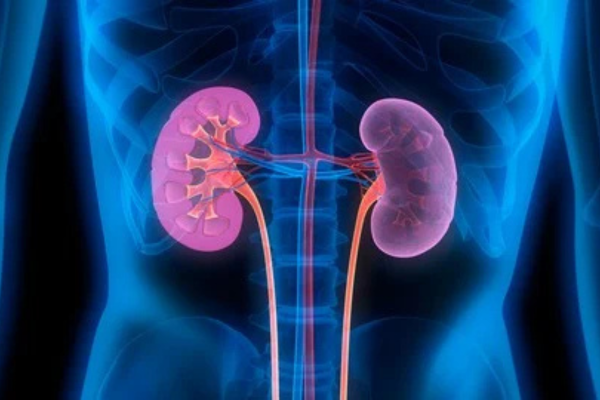
PG DIPLOMA IN NEPHROLOGY Explore the field of nephrology with our practical-focused Postgraduate Diploma in Nephrology. Designed for medical professionals aiming to enhance their expertise in diagnostics, this program offers comprehensive clinical training and mentorship from industry experts. Buy Course Now Get Free Details For Course MGA | Fellowship & PG Diploma in Nephrology About the Diploma in Nephrology Programme The Medical Global Academy (MGA) Fellowship & PG Diploma in Nephrology is a holistic course that offers advanced understanding and practical training on the diagnosis, treatment, and management of kidney-related disorders. The course is suitable for medical practitioners who aim to become nephrology specialists and improve their clinical skills in treating renal illnesses. The programme integrates solid theoretical education with hands-on clinical experience, covering renal physiology, pathophysiology, dialysis methods, and renal transplantation. Under the supervision of seasoned nephrologists and with access to current medical technologies, learners acquire practical experience in managing real-life kidney cases. “Dedicated to patient-centred care and evidence-based practice, this programme will enable professionals to provide high-quality care and enhance outcomes in patients with acute and chronic kidney diseases.” Live & Recorded ClassesAttend live or rewatch anytime Hospital Clinical TrainingArranged at nearest affiliated hospital Free Study MaterialFull notes, recordings and e-library Super-Specialist FacultyIndia’s top nephrologists from premier institutions NAAC A+ CertificateRecognised across hospitals and institutions in India 1-Year MentorshipFull year mentorship after registration Library & Q&A SessionsDedicated doubt-clearing and full e-library access Updated CurriculumEvidence-based, continuously updated for clinical practice Programme Outcomes & Career Opportunities By End of Programme Diagnose and treat acute and chronic renal diseases (AKI and CKD) Effectively interpret renal function tests and imaging Manage dialysis — hemodialysis and peritoneal dialysis Understand renal transplantation procedures and aftercare Treat electrolyte and fluid disorders confidently Deliver patient-centred, ethical nephrology care Career Opportunities Nephrology sections of hospitals and dialysis units Renal transplant and critical care units Multidisciplinary teams managing chronic illnesses Emergency and ICU practice for renal complications Specialisation in nephrology or internal medicine Clinical research and kidney health initiatives Skills You’ll Master Renal Diagnosis & Imaging (USG, CT, MRI, Biopsy)95% Dialysis Therapy (Hemodialysis & Peritoneal)92% AKI & CKD Management90% Renal Transplantation & Immunosuppression85% Electrolyte & Acid-Base Disorders88% Programme Curriculum Fee & EMI Calculator Select certificate, course, mode & EMI ₹1,50,000 CPD · Fellowship · Online 1 · Certificate Type CPD CertificateCPD & Training Council Univesity CertificateUGC Approved 2 · Course Type Fellowship₹1,50,00012-Month Programme PG Diploma₹1,00,00012-Month Programme 3 · Study Mode Online₹1,50,000Full online access Hybrid₹1,80,000Online + Clinical Offline₹1,50,000+1 month training 4 · EMI Plan (0% Interest) FullOne-time0% interest 3Months0% interest 4Months0% interest Monthly EMI₹25,000/mofor 4 months 4 instalmentsEMI Total: ₹1,00,000 Course Fee₹1,50,000 Registration Fee−₹50,000 (paid upfront) EMI on Balance₹1,00,000 Certificate TypeCPD Certificate Course TypeFellowship (12M) Study ModeOnline Interest Charges₹0 (0% Interest) Total Payable₹1,50,000 Enroll Now — Pay Securely Discuss Fee on WhatsApp Batch closes in:00Days00Hrs00Min00Sec Course Details Duration12 Months ModeOnline / Hybrid / Offline BatchJan–Dec / May–Jun LanguageEnglish CertificateUGC / CPD Mentorship1 Year Contact+91 9289994218 Fellowship in NephrologyMedical Global AcademyIn association with NAAC A+ UniversityCPD & Training Council · Mind Power University Download Sample Certificate on WhatsApp Accreditation Partners National International PG Diploma in Nephrology Kidney diseases are becoming increasingly common due to the growing prevalence of diabetes, hypertension, and other chronic health conditions, making nephrology an essential specialty in modern healthcare. The PG Diploma in Nephrology is designed for doctors who want to strengthen their clinical expertise in diagnosing, treating, and managing acute and chronic kidney disorders. This program combines evidence-based academic learning with practical clinical exposure to provide a comprehensive understanding of renal medicine. Participants develop knowledge of renal physiology, kidney disease management, dialysis techniques, fluid and electrolyte disorders, and renal transplantation. Through case-based discussions and guidance from experienced faculty, doctors gain the clinical confidence required to manage patients with complex renal conditions while delivering safe, patient-centred care. Outcome of the Program After successfully completing the program, you will be able to: Diagnose and manage acute kidney injury (AKI) and chronic kidney disease (CKD). Interpret renal function tests, laboratory investigations, and diagnostic imaging. Understand the principles of haemodialysis and peritoneal dialysis. Develop knowledge of renal transplantation and post-transplant patient management. Assess and manage fluid, electrolyte, and acid-base disorders. Deliver ethical, evidence-based, and patient-centred nephrology care. Career Opportunities After completing the PG Diploma in Nephrology, you may explore career opportunities in: Nephrology departments of multispecialty hospitals. Dialysis centres and dedicated renal care units. Renal transplant and critical care services. Multidisciplinary teams managing chronic kidney disease. Emergency and intensive care units treating renal complications. Clinical research, kidney health programmes, and further specialization in nephrology or internal medicine. The PG Diploma in Nephrology equips doctors with the clinical knowledge, practical understanding, and decision-making skills needed to provide high-quality kidney care and build a successful career in renal medicine. Download Brochure in Whatsapp Course Curriculum Introduction to Nephrology Introduction to Nephrology as a specialty. Renal anatomy, physiology and fundamental pathophysiology. Laboratory tests and renal function tests. Acute kidney injury (AKI): Causes, diagnosis, and management. Chronic kidney disease (CKD): Staging, diagnosis, and management guidelines. Renal Diseases and Disorders Glomerular diseases: Nephrotic syndrome and nephritic syndrome, Glomerulonephritis. Tubular and interstitial kidney diseases. Hypertensive nephropathy and renal manifestations of systemic diseases (e.g., diabetes, lupus) Cystic kidney diseases (Polycystic kidney disease) Renal stones: Pathophysiology, diagnosis, and treatment. Dialysis Therapy Hemodialysis: Principles, indications, and techniques. Peritoneal dialysis: Principles, techniques, and indications. Access to dialysis and complications. Treatment of complications associated with dialysis (e.g., hypotension, infections) Progress in dialysis: Home dialysis, portable, etc. Renal Transplantation Signs and contraindications to kidney transplantation. Assessment of the pre-transplantation, patient selection. Immunosuppressive therapy: Indications, protocols and side effects. Post-transplant care: Rejection, infection, and graft survival. Moral and psychological consequences of a renal transplantation. Advanced Renal Pathophysiology Diagnosis and treatment of acid-base and electrolyte disorders. Kidney diseases: fluid balance. Renal hemodynamics: Renal blood flow, GFR, and their clinical consequences. Involvement of kidneys in systemic diseases (e.g., cardiovascular, hepatic, infectious diseases) Molecular and genetic background of renal diseases. Pediatric Nephrology Congenital anomalies, nephrotic syndrome, and glomerulonephritis are examples of kidney diseases in

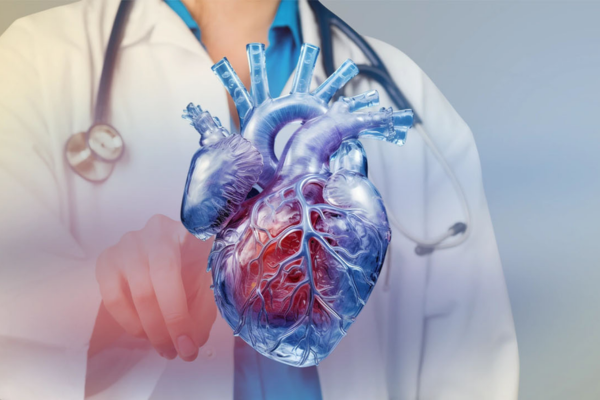
certificate in clinical cardiology concept showing a doctor with stethoscope pointing at a detailed 3D human heart illustration for cardiac education and training
certificate

Certificate in Clinical Cardiology

CERTIFICATE IN CLINICAL CARDIOLOGY Discover the world of CERTIFICATE IN CLINICAL CARDIOLOGY with our practical-based Certificate program. Perfect for medical professionals eager to excel in diagnostic , our course offers clinical training and expert guidance. Course Price ₹ 1,30,000 ₹1,00000 Buy Course Now Get Free Details For Course Batch starts on Jan to Dec/ May to June Course Duration 12 Months Multimodal Program Hybrid Mode & Clinical Attachment Flexible payment financing options available Certificate in Clinical Cardiology The Certificate in Clinical Cardiology offered by MGA Medical Global Academy is an advanced course that equips healthcare practitioners with in-depth knowledge and clinical competencies in the diagnosis, treatment, and prevention of cardiovascular diseases. Clinical cardiology is an important specialty of medicine that deals with the diseases of the heart and blood vessels such as coronary artery disease, heart failure, arrhythmia, valvular heart disease, hypertension, and congenital heart disease. This course covers the key principles of cardiovascular science and the use of state-of-the-art diagnostic and therapeutic techniques, including electrocardiography (ECG), echocardiography, stress testing, cardiac imaging, and evidence-based pharmacological and interventional therapy. The participants will acquire the knowledge of recognizing cardiovascular risk factors, understanding cardiac investigations and how to treat and manage acute and chronic cardiac disease based on the latest clinical guidelines. The course includes a significant emphasis on case-based learning, real-world clinical applications, and advanced cardiac care strategies, equipping healthcare professionals with the knowledge and skills needed to provide patient-centered cardiovascular care and enhance cardiac outcomes in various healthcare settings. Outcome Upon completion participants will be able to: Know the structure, function and the pathology of the heart and common cardiovascular diseases. Carry out cardiovascular assessments and correctly interpret the findings. Interpret ECG, echocardiogram, stress testing, cardiac markers and cardiac imaging for diagnosis. Recognise and treat coronary artery disease, hypertension, heart failure, arrhythmias and valvular heart diseases. Use evidence-based pharmacological treatments for cardiovascular diseases Know about interventional and surgical options such as angioplasty, stenting, pacemaker, ICD, TAVI/TAVR and CABG Recognize and respond to cardiovascular emergencies including acute coronary syndrome, arrhythmias and exacerbations of heart failure Assess cardiovascular risk factors, and consider prevention cardiovascular measures. Handle cardiovascular disease in special populations such as pregnant women, pediatric patients, geriatric patients, athletes Provide multidisciplinary and patient-centred cardiac care in line with current international cardiology guidelines Career Opportunities This certification can lead to a variety of jobs and careers in the field of cardiology and cardiovascular health care such as: Clinical Cardiology Assistant / Practitioner Cardiac Care Unit (CCU) Healthcare Professional Informative, helping to educate people about heart health and heart disease. Cardiac rehabilitation and preventive cardiology professional Clinical Research Associate in Cardiology Cardiology Departments and Cath Labs: the Healthcare Professional. Medical Advisor in Cardiovascular Pharmaceutical and Medical Device Companies Career opportunities in Hospitals, Heart Institutes, Cardiac Rehab Centers, Diagnostic Centers and Research Centers. Cardiovascular disease is one of the most important causes of morbidity and mortality in the world, and clinical cardiologists are in demand in all areas of acute care, preventive cardiology, rehabilitation, diagnostics and cardiovascular research. Download Brochure in Whatsapp What you’ll learn Fundamentals of Cardiac Anatomy and Physiology Diagnostic Tools and Techniques in Cardiology Common Cardiovascular Disorders Arrhythmias and Their Management Preventive Cardiology and Risk Management Pharmacotherapy in Cardiology Key Features 1. Attending /Non-Attending Classes 2. Clinical Training in Nearest Hospital/Clinics. 3. Free Study Material with recorded lectures 4. Best Faculties (Super Specialists) of India 5. Library Access & Question & Answer Session 6. NAAC A+ University 7. 1 Year of Mentorship 8. Updated Curriculum Course Curriculum Introduction to Clinical Cardiology Basic cardiovascular anatomy and physiology Overview of cardiovascular diseases (CVD) Epidemiology and global burden of cardiovascular disease Pathophysiology of common cardiovascular conditions Understanding the cardiovascular examination Diagnostic Techniques in Cardiology Electrocardiogram (ECG) interpretation: Basic to advanced Echocardiography (Transthoracic and Transesophageal) Stress Testing (Exercise and Pharmacological) Cardiac biomarkers and laboratory tests Imaging techniques: CT angiography, MRI, nuclear imaging Ambulatory blood pressure monitoring and Holter monitoring Coronary Artery Disease (CAD) Atherosclerosis and plaque formation Risk factors for CAD Clinical presentation: Stable vs. unstable angina Diagnostic workup for CAD (ECG, imaging, biomarkers) Medical management of CAD (antiplatelet therapy, statins, ACE inhibitors) Interventional cardiology: PCI, stenting, angioplasty Surgical management: CABG (Coronary Artery Bypass Grafting) Recent advancements in CAD management (e.g., drug-eluting stents, gene therapy) Heart Failure Classification of heart failure (HFrEF, HFpEF, and HFmrEF) Causes of heart failure: Ischemic vs. non-ischemic Symptoms and clinical presentation Diagnostic approaches: Imaging, biomarkers, and clinical criteria Pharmacological treatment: Diuretics, ACE inhibitors, ARBs, beta-blockers, MRAs Devices in heart failure management: ICDs, CRTs, LVADs Advanced heart failure and transplantation Emerging therapies: SGLT2 inhibitors, gene therapy, regenerative medicine Cardiac Arrhythmias Normal cardiac conduction and electrophysiology Common arrhythmias: Atrial fibrillation, ventricular tachycardia, supraventricular tachycardia ECG interpretation for arrhythmias Pharmacological management of arrhythmias (antiarrhythmic drugs, anticoagulation) Role of electrophysiology studies (EPS) and catheter ablation Implantable devices: Pacemakers, ICDs Advances in arrhythmia management: AI in diagnostics, catheter ablation techniques Valvular Heart Disease Common valvular disorders: Aortic stenosis, mitral regurgitation, mitral stenosis, tricuspid and pulmonic valve diseases Clinical presentation and diagnosis Echocardiography in the assessment of valve function Medical management vs. surgical management of valve diseases Valve replacement techniques: Mechanical vs. biological valves Transcatheter aortic valve implantation (TAVI/TAVR) Hypertension and Cardiovascular Risk Management Pathophysiology of hypertension and its complications Diagnosis and staging of hypertension Blood pressure management guidelines (2025 updates) Lifestyle interventions: Diet, exercise, stress management Pharmacologic therapies: Antihypertensives, diuretics, beta-blockers, ACE inhibitors Managing comorbidities (diabetes, dyslipidemia) Cardiovascular risk stratification and prevention strategies Role of genetic and molecular markers in predicting cardiovascular risk Pediatric and Geriatric Cardiology Pediatric congenital heart disease (CHD): Diagnosis and management Arrhythmias and heart failure in pediatric populations Aging and the cardiovascular system: Pathophysiology and clinical changes Cardiovascular disease in older adults: Frailty, multimorbidity Management of cardiovascular disease in geriatric patients Multidisciplinary approach to care in the elderly Cardiac Imaging Techniques Advanced echocardiography techniques: Strain imaging, 3D echocardiography Cardiac MRI: Indications, techniques, and interpretation Coronary CT angiography (CTA): Protocols, interpretation, and clinical applications Radionuclide imaging in cardiology: PET, SPECT, and myocardial

Scroll to Top