
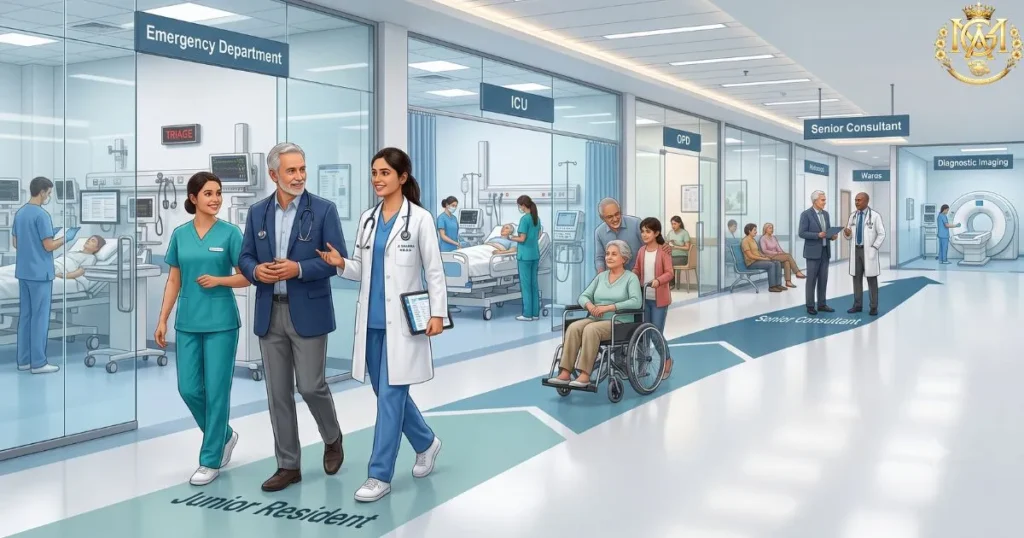
Clinical Jobs After MBBS: Complete Guide to Building a Clinical Medical Career
Completing an MBBS degree marks the beginning of a doctor’s professional journey, but deciding what comes next is often one of the most challenging career decisions. While some graduates immediately prepare for postgraduate entrance examinations, many doctors choose to enter clinical practice to gain hands-on experience, strengthen their medical knowledge, and build confidence in managing patients independently.
Clinical jobs after MBBS offer an opportunity to apply the knowledge gained during medical school in real-world healthcare settings. From emergency departments and intensive care units to outpatient clinics and hospital wards, these roles expose young doctors to a wide range of medical conditions, helping them develop clinical judgment, communication skills, and decision-making abilities that cannot be learned from textbooks alone.
For many MBBS graduates, working in a clinical role is more than just finding employment—it is an important step toward becoming a skilled physician. Whether your long-term goal is to pursue postgraduate specialization, establish a private practice, or work in a super-specialty hospital, early clinical experience plays a significant role in shaping your medical career.
However, choosing the right clinical role requires understanding the responsibilities, learning opportunities, career progression, and challenges associated with different positions. Every clinical job provides a unique experience, and selecting the one that aligns with your professional goals can have a lasting impact on your future.
This guide explains the clinical career opportunities available after MBBS, how these roles contribute to long-term professional growth, the challenges doctors commonly face in clinical practice, and practical ways to build a successful clinical medical career.
What Are Clinical Jobs After MBBS and Who Should Choose Them?
Clinical jobs are medical roles that involve direct patient care, including diagnosing illnesses, providing treatment, monitoring recovery, and participating in emergency and preventive healthcare. These positions allow MBBS graduates to work closely with patients while continuously developing their clinical knowledge and practical skills.
Unlike administrative or non-clinical careers, clinical practice places doctors at the centre of patient management. Every consultation, emergency case, ward round, and follow-up helps improve diagnostic reasoning and builds the confidence required for independent medical practice.
For newly qualified doctors, clinical practice serves as the bridge between medical education and professional responsibility. It transforms theoretical understanding into practical decision-making while exposing doctors to real healthcare challenges.
Clinical Careers vs Non-Clinical Careers
Many MBBS graduates are unsure whether they should continue in direct patient care or explore alternative healthcare careers. Understanding the difference between clinical and non-clinical roles helps doctors choose a path that aligns with their interests and long-term aspirations.
| Clinical Careers | Non-Clinical Careers |
| Direct patient care | Limited or no patient interaction |
| Diagnosis and treatment | Administration, research, management |
| Hospital and clinical practice | Corporate healthcare, policy, education |
| Hands-on procedural experience | Operational and strategic responsibilities |
| Strong foundation for specialization | Suitable for healthcare management and allied fields |
While both career paths contribute to the healthcare system, doctors who enjoy patient interaction, medical procedures, emergency care, and clinical decision-making generally find greater satisfaction in clinical practice.
Who Should Choose Clinical Practice?
A clinical career is often the right choice for doctors who want to remain actively involved in patient care and continue developing their medical expertise throughout their careers.
Clinical practice may be suitable if you:
- Enjoy diagnosing and managing medical conditions.
- Want regular interaction with patients and healthcare teams.
- Prefer practical learning over administrative responsibilities.
- Plan to pursue MD, MS, DNB, Fellowship, or super-specialty training.
- Aspire to become a consultant or specialist in the future.
- Want to strengthen your clinical confidence before choosing a specialization.
Many experienced specialists believe that early clinical exposure significantly improves a doctor’s ability to manage complex cases later in their career.
Why Clinical Experience Matters After MBBS
The first few years after MBBS are often the most important for professional development. During this period, doctors learn skills that influence every stage of their future careers.
Clinical experience helps doctors:
- Improve history taking and physical examination skills.
- Develop evidence-based clinical decision-making.
- Manage emergency situations confidently.
- Build communication and patient counselling skills.
- Learn multidisciplinary teamwork.
- Understand hospital workflows and healthcare systems.
- Gain confidence before pursuing higher specialization.
These experiences become valuable regardless of whether a doctor later chooses government service, private practice, postgraduate training, or super-specialty education.
Benefits of Starting Your Career in Clinical Practice
Working in a clinical environment immediately after MBBS provides far more than a salary. It offers continuous learning through direct patient exposure and prepares doctors for future academic and professional challenges.
Some key advantages include:
- Daily exposure to diverse medical cases.
- Opportunities to learn from experienced consultants.
- Better understanding of disease presentation and management.
- Development of procedural and bedside skills.
- Improved confidence in handling emergencies.
- Stronger preparation for postgraduate entrance and residency.
Clinical practice also helps doctors identify their areas of interest before committing to a long-term specialization.
Clinical Careers at a Glance
| Aspect | Clinical Career |
| Primary Focus | Diagnosis, treatment, and patient care |
| Work Environment | Hospitals, clinics, emergency departments, ICUs |
| Daily Responsibilities | Clinical assessment, treatment planning, patient monitoring |
| Core Skills Developed | Clinical reasoning, communication, procedural skills |
| Long-Term Opportunities | Residency, specialization, consultancy, private practice |
Which Clinical Jobs Can You Pursue After MBBS?
After completing MBBS, doctors can begin their careers in several clinical roles depending on their interests, workplace preferences, and long-term professional goals. Although these positions differ in responsibilities and learning opportunities, they all share one common objective—developing competent doctors through direct patient care.
Unlike career paths focused on administration or healthcare management, clinical roles allow doctors to continuously improve their diagnostic abilities, procedural skills, and confidence while working under experienced specialists.
The right clinical role depends on the type of experience you want to gain during the early years of your medical career.
Junior Resident
A Junior Resident position is one of the most common entry points after MBBS. Junior residents work under senior consultants and specialists while managing inpatient wards, outpatient departments, emergency cases, and routine clinical procedures.
This role provides broad exposure to multiple specialties and is often considered the strongest foundation for future postgraduate training.
Resident Medical Officer (RMO)
Resident Medical Officers are responsible for the day-to-day management of admitted patients, coordinating treatment plans, responding to medical emergencies, and ensuring continuity of care.
Working as an RMO helps doctors improve clinical judgment while developing confidence in independent patient management.
Emergency Medicine Doctor
Emergency departments require doctors to make rapid clinical decisions under pressure.
Doctors working in emergency medicine frequently manage:
- Trauma
- Cardiac emergencies
- Poisoning
- Acute infections
- Stroke
- Respiratory emergencies
- Medical emergencies requiring immediate intervention
This environment significantly improves diagnostic speed, teamwork, and crisis management skills.
Intensive Care Unit (ICU) Doctor
ICU doctors care for critically ill patients requiring continuous monitoring and advanced medical support.
Working in intensive care exposes doctors to:
- Ventilator management
- Critical illness
- Organ support
- Advanced monitoring
- Emergency procedures
- Multidisciplinary patient care
Although demanding, ICU experience greatly strengthens clinical competence.
General Physician
General physicians provide comprehensive medical care for patients with common acute and chronic illnesses.
This role helps doctors develop:
- Broad diagnostic knowledge
- Long-term patient relationships
- Preventive healthcare skills
- Clinical decision-making across multiple conditions
General practice remains one of the most rewarding long-term clinical careers for doctors interested in primary healthcare.
House Surgeon
House surgeons work closely with surgical teams before, during, and after operations.
Responsibilities often include:
- Pre-operative assessment
- Surgical assistance
- Post-operative patient care
- Wound management
- Surgical documentation
This position offers valuable experience for doctors planning surgical specializations.
Casualty Medical Officer
Casualty Medical Officers manage patients presenting with urgent medical conditions requiring immediate assessment and stabilization.
The role demands excellent communication, quick clinical reasoning, and the ability to prioritize multiple patients simultaneously.
Hospitalist
Hospitalists focus on managing admitted patients throughout their hospital stay.
Their responsibilities include:
- Coordinating multidisciplinary care
- Monitoring treatment progress
- Managing complications
- Planning discharge
- Communicating with specialists and families
Hospital medicine provides excellent exposure to comprehensive inpatient care.
Clinical Career Opportunities After MBBS
| Clinical Role | Primary Work Setting | Patient Interaction | Career Growth |
| Junior Resident | Teaching Hospitals | High | Excellent foundation for residency |
| Resident Medical Officer | Hospitals | High | Independent clinical experience |
| Emergency Medicine Doctor | Emergency Department | Very High | Emergency & Critical Care |
| ICU Doctor | Intensive Care Unit | Very High | Critical Care Specialization |
| General Physician | Clinics & Hospitals | High | Primary Care & Private Practice |
| House Surgeon | Surgical Departments | High | Surgical Specialization |
| Casualty Medical Officer | Casualty Department | Very High | Emergency Medicine |
| Hospitalist | Inpatient Services | High | Hospital Medicine & Leadership |
How Does a Clinical Career Progress After MBBS?
One of the biggest advantages of choosing a clinical career after MBBS is the opportunity for continuous professional growth. Unlike many professions where career progression follows a fixed path, medicine allows doctors to expand their responsibilities, specialize in areas of interest, and take on leadership roles as they gain experience and advanced qualifications.
The first few years after MBBS are especially important because they shape your clinical judgment, patient management skills, and confidence. Doctors who invest in learning during this stage often build a stronger foundation for postgraduate education, specialization, and long-term success.
Clinical career progression is not only about promotions—it is about becoming a more competent, confident, and trusted healthcare professional.
MBBS Graduate – Building the Foundation
Every clinical career begins after completing MBBS and the compulsory internship. During this stage, the primary objective is to transition from supervised learning to independent patient care.
Doctors focus on:
- Applying theoretical knowledge in real clinical settings.
- Improving history-taking and examination skills.
- Learning hospital protocols and patient management.
- Developing communication with patients and healthcare teams.
- Building confidence in routine clinical decision-making.
This stage prepares doctors for more demanding responsibilities in hospitals and specialty departments.
Junior Resident – Learning Through Clinical Exposure
For many doctors, becoming a Junior Resident is the first major step in clinical practice.
Working under experienced consultants provides opportunities to:
- Manage inpatient and outpatient cases.
- Participate in ward rounds.
- Assist in medical procedures.
- Handle emergency admissions.
- Learn multidisciplinary patient care.
These experiences strengthen clinical reasoning while preparing doctors for future residency or postgraduate training.
Senior Resident and Specialty Training
After gaining experience and completing postgraduate qualifications, doctors often progress to Senior Resident positions.
Senior Residents take on greater clinical responsibilities by:
- Managing complex patient cases.
- Supervising junior doctors.
- Assisting in advanced procedures.
- Teaching undergraduate students.
- Participating in departmental decision-making.
This stage bridges the transition from trainee to independent specialist.
Consultant and Specialist Practice
Doctors who complete MD, MS, DNB, Fellowship Programs, or other specialty training become eligible for consultant roles.
Consultants are responsible for:
- Managing complicated medical conditions.
- Performing specialized procedures.
- Leading multidisciplinary treatment plans.
- Mentoring junior doctors.
- Improving quality of patient care.
At this stage, doctors develop expertise within their chosen specialty while contributing significantly to hospital services.
Leadership and Academic Opportunities
Clinical careers do not end with becoming a consultant.
Experienced doctors often move into leadership positions such as:
- Department Head
- Clinical Lead
- Medical Director
- Hospital Administrator
- Faculty Member
- Medical Educator
Many clinicians also contribute to research, clinical trials, publications, and Continuing Medical Education (CME), helping advance medical knowledge while mentoring the next generation of healthcare professionals.
Clinical Career Progression After MBBS
| Career Stage | Primary Responsibility | Professional Development |
| MBBS Graduate | Clinical foundation | Internship & patient care |
| Junior Resident | Supervised clinical practice | Practical learning & case management |
| Senior Resident | Advanced clinical responsibilities | Leadership & teaching |
| Specialist / Consultant | Independent specialty practice | Clinical expertise |
| Department Head / Clinical Lead | Department management | Leadership & healthcare improvement |
| Medical Educator / Researcher | Teaching & research | Academic contribution |
Career Insight
The most successful clinicians are not those who simply gain years of experience but those who continuously improve their knowledge, procedural skills, and clinical judgment throughout their careers.
What Challenges Do Doctors Face in Clinical Practice—and How Can They Overcome Them?
A clinical career is professionally rewarding, but it also demands resilience, adaptability, and lifelong learning. Every doctor encounters challenges during the early years of practice, and understanding them in advance helps build confidence rather than uncertainty.
Rather than viewing these challenges as obstacles, they should be seen as opportunities to become a better clinician.
Long Working Hours
Clinical practice often involves extended shifts, emergency duties, weekend responsibilities, and night calls.
Managing these demands requires:
- Effective time management.
- Physical fitness.
- Adequate rest whenever possible.
- Healthy work habits.
Learning to balance workload early helps prevent long-term fatigue.
Clinical Decision-Making Under Pressure
Every doctor eventually encounters situations where rapid decisions directly affect patient outcomes.
Building confidence requires:
- Strong clinical examination skills.
- Evidence-based decision-making.
- Continuous learning.
- Guidance from experienced consultants.
Over time, repeated exposure to real clinical scenarios significantly improves judgment.
Managing Medical Emergencies
Emergency departments and intensive care units expose doctors to critically ill patients who require immediate intervention.
Developing competence in emergency medicine involves:
- Remaining calm under pressure.
- Following standard clinical protocols.
- Working effectively with multidisciplinary teams.
- Regular simulation and procedural training.
Communicating with Patients and Families
Excellent communication is an essential clinical skill.
Doctors must explain diagnoses, treatment options, risks, and expectations clearly while showing empathy and professionalism.
Good communication improves patient trust, treatment adherence, and overall healthcare outcomes.
Preventing Professional Burnout
High patient volumes, emotional stress, and demanding schedules can affect physical and mental wellbeing.
Doctors can reduce burnout by:
- Maintaining work-life balance.
- Seeking mentorship.
- Participating in Continuing Medical Education.
- Developing efficient clinical workflows.
- Prioritising physical and mental health.
Challenges and Practical Solutions
| Challenge | Practical Solution |
| Long duty hours | Build effective time-management habits and prioritise rest. |
| Emergency situations | Follow evidence-based protocols and practice regularly. |
| Clinical decision-making | Learn from experienced consultants and review cases continuously. |
| Patient communication | Strengthen counselling and interpersonal skills. |
| Continuous medical advancements | Participate in CME, workshops, and professional training. |
| Burnout | Maintain wellbeing, mentorship, and healthy professional boundaries. |
How Can MBBS Graduates Build a Successful Clinical Career?
A successful clinical career is built through continuous improvement rather than a single qualification. Every patient encounter, medical conference, procedural workshop, and educational programme contributes to becoming a more competent doctor.
Doctors who consistently invest in their professional development remain better prepared for evolving healthcare needs and future leadership opportunities.
Strengthen Your Clinical Competence
Strong clinical examination, diagnostic reasoning, and patient management remain the foundation of every successful doctor.
Focus on:
- Evidence-based practice.
- Clinical documentation.
- Diagnostic accuracy.
- Ethical patient care.
- Multidisciplinary collaboration.
Develop Advanced Procedural Skills
Practical skills distinguish confident clinicians from average practitioners.
Learning advanced procedures improves:
- Clinical confidence.
- Patient outcomes.
- Career opportunities.
- Specialty readiness.
Continue Medical Education
Medicine evolves continuously.
Participating in:
- Continuing Medical Education (CME)
- Clinical workshops
- Medical conferences
- Certification programmes
helps doctors remain updated with current medical practices and treatment guidelines.
Pursue Fellowship and PG Diploma Programs
Many doctors choose Fellowship Programs and PG Diploma courses to strengthen specialty-specific knowledge while continuing clinical practice.
These programmes provide focused training, improve procedural competence, and support long-term career growth without interrupting professional development.
Contribute to Research and Medical Education
Participating in research, publications, teaching, and academic activities enhances professional credibility while contributing to evidence-based healthcare.
Doctors involved in academics often develop stronger analytical and leadership skills alongside their clinical expertise.
Build a Strong Professional Reputation
A respected clinical career is built on:
- Compassionate patient care.
- Ethical medical practice.
- Clear communication.
- Lifelong learning.
- Professional integrity.
- Commitment to quality healthcare.
These qualities remain valuable regardless of specialty or workplace.
How Medical Global Academy Supports Clinical Career Growth
Clinical excellence requires continuous learning beyond the MBBS curriculum. Medical Global Academy supports doctors through Fellowship Programs and PG Diploma courses designed to strengthen practical clinical skills, evidence-based decision-making, and specialty-focused expertise. These programmes help doctors bridge the gap between academic learning and real-world clinical practice, preparing them for greater professional responsibilities and long-term career success.
Frequently Asked Questions
Which clinical job is best after MBBS?
The best clinical job depends on your career goals. Junior Residency, Resident Medical Officer roles, Emergency Medicine, ICU practice, and General Physician positions all provide valuable clinical experience and prepare doctors for future specialization.
Can I start working in a hospital immediately after MBBS?
Yes. After completing your internship and obtaining medical registration, you can apply for various hospital-based clinical roles, depending on institutional eligibility criteria.
Can I prepare for NEET PG while working in a clinical job?
Yes. Many doctors balance clinical practice with postgraduate entrance preparation. Effective time management and a structured study plan are essential for maintaining both learning and clinical performance.
What is the difference between a Junior Resident and a Resident Medical Officer?
Junior Residents typically work under specialist supervision in teaching hospitals and gain broad exposure across departments. Resident Medical Officers often manage day-to-day patient care, emergency cases, and inpatient services within hospitals.
How can Fellowship Programs improve a clinical career?
Fellowship Programs provide advanced clinical training, improve specialty-specific skills, strengthen procedural competence, and help doctors prepare for more complex patient care and long-term career advancement.
Final Thoughts
Clinical jobs after MBBS offer far more than an opportunity to begin working—they provide the foundation for becoming a skilled, confident, and compassionate doctor. The early years of clinical practice shape your diagnostic ability, procedural expertise, communication skills, and professional judgment, influencing every stage of your future medical career.
Whether your goal is to pursue postgraduate specialization, work in a super-specialty hospital, establish private practice, or become a healthcare leader, investing in continuous clinical learning will always remain one of the most valuable career decisions you make. By combining hands-on patient care with ongoing education and skill development, doctors can build a rewarding clinical career while delivering high-quality healthcare to the communities they serve.