
Medical Global Academy

Author name: admin

PG DIPLOMA

PG DIPLOMA IN MATERNAL & CHILD HEALTH

PG DIPLOMA IN MATERNAL & CHILD HEALTH Discover the world of PG DIPLOMA IN MATERNAL & CHILD HEALTH with our practical-based Postgraduate Diploma program. Perfect for medical professionals eager to excel in diagnostic, our course offers clinical training and expert guidance. Buy Course Now Get Free Details For Course About the Programme The MGA Medical Global Academy PG Diploma in Maternal and Child Health is an all-inclusive course aimed at equipping students with the most recent research and skills to enhance the well-being and health of mothers and children. The course will concentrate on key subjects like prenatal care, maternal nutrition, neonatal care, child development, immunization, and management of common maternal and pediatric diseases. The program integrates theoretical learning that is based on evidence with practical clinical exposure to help healthcare professionals to comprehend and respond to the special needs of women and children in various healthcare environments. Participants acquire the training needed to provide high-quality and compassionate care with the help of senior specialists and practical training in hospitals. The diploma is intended to equip doctors, nurses and public health professionals with everything they need to create a significant difference in the maternal and child health outcomes in both clinical and community settings. “The PG Diploma in Maternal and Child Health will enable you to become a confident, skilled healthcare professional possessing strong clinical expertise, practical exposure, and the capability to handle maternal and child patients effectively in contemporary healthcare environments.” Attending / Non-Attending ClassesFlexible class formats to suit busy schedules Clinical TrainingClinical training at nearest hospitals/clinics Free Study MaterialRecorded lectures, full notes and e-library access Super-Specialist FacultyIndia’s best maternal and child health specialists NAAC A+ UniversityRecognised across hospitals and institutions 1-Year MentorshipFull year mentorship after completion Skills You’ll Master Rationale and Goals of MCH Care95% Levels of Prevention in MCH Care93% Environmental Determinants in MCH Care90% Health Needs of Mother and Child88% Adolescent Health & Family Welfare85% Programme Curriculum Fee & EMI Calculator PG Diploma in Maternal and Child Health ₹1,00,000 CPD · Online 1 · Certificate Type CPD CertificateCPD & Training Council University CertificateUGC Approved 2 · Study Mode Online₹1,00,000Full online access Hybrid₹1,40,000Online + Clinical Offline₹1,30,000+1 month training 3 · EMI Plan (0% Interest) FullOne-time0% interest 3Months0% interest 4Months0% interest Monthly EMI₹12,500/mofor 4 months 4 instalmentsEMI Total: ₹50,000 Course Fee₹1,00,000 Registration Fee−₹50,000 (paid upfront) EMI on Balance₹50,000 Certificate TypeCPD Certificate Study ModeOnline Interest Charges₹0 (0% Interest) Total Payable₹1,00,000 Enroll Now — Pay Securely Discuss Fee on WhatsApp Batch closes in: 00Days 00Hrs 00Min 00Sec Course Details Duration12 Months ModeOnline / Hybrid / Offline BatchJan–Dec / May–Jun LanguageEnglish CertificateUGC / CPD Mentorship1 Year Contact+91 9289994218 PG Diploma in Maternal and Child Health Medical Global Academy In association with NAAC A+ University CPD & Training Council · Mind Power University Download Sample Certificate on WhatsApp Accreditation Partners National International PG Diploma in Maternal and Child Health Career Opportunities: After completing the program, you will be well-prepared to: Practice in maternity hospitals, pediatrics and community health centers. Participate in maternal and child health programs and community health programs. Collaboration with NGOs and foreign health organizations. Add to the maternal and child healthcare policy and planning. Seek teaching and clinical-training opportunities. Further specialization in obstetrics, pediatrics or public health. This postgraduate diploma will allow you to acquire a specific set of skills in the field of maternal and child health care and become capable of achieving better clinical outcomes, supporting families, and making the community healthier due to effective and caring care. Download Brochure in Whatsapp Course Curriculum Introduction to Maternal and Child Health Introduction to MCH: Worldwide importance and issues in maternal and child health. Mother and Child Health Determinants: Socioeconomic, cultural, and environmental. Public Health Policies: Policies in international and national maternal and child health. International Health Organizations: The contribution of WHO, UNICEF and other international agencies to improving the outcomes of MCH. Reproductive Health and Family Planning Reproductive System and Health: Anatomy, physiology and normal reproductive health issues. Family Planning: Techniques, counseling and place of family planning in maternal health. Infertility Management: Management, Diagnosis and Treatment. Sexual and Reproductive Rights: Ethics, gender equality, and reproductive health. Maternal Care in Pregnancy Prenatal Care: Major concepts of antenatal visits, antenatal screenings, and measurements. Nutrition in Pregnancy: Dietary requirements, supplements, and popular nutritional deficiencies. Pregnancy Complications: Gestational diabetes, hypertension, anemia and others. Psychosocial Pregnancy: Stress management, counseling and mental health. Labor, Delivery, and Postpartum Care Labor and Delivery: Labor, birth practices, pain management, and emergency obstetric care. Obstetric Emergencies: Eclampsia, postpartum hemorrhage, obstructed delivery and cesarean delivery. Postpartum Care: Maternal recovery, breastfeeding, and mental issues after birth. Family and Community Support: Family, midwives, and healthcare systems in postpartum care. Neonatal Health and Care Neonatal Physiology: Development and care needs of the infant. Neonatal Resuscitation: Emergency measures and procedures of dealing with infants during birth. Common Neonatal Conditions: Prematurity, jaundice, infections, and birth defects. Breastfeeding and Early Nutrition: The benefits of breastfeeding, challenges, and ways of effective breastfeeding. Child Health and Development Growth and Development Milestones: Physical, cognitive, and emotional development of the period between birth and adolescence. Vaccination and Preventive Healthcare: Vaccines, schedules, and barriers to immunization. Popular Childhood Diseases: Acute respiratory, diarrhea, malnutrition, and childhood disease. Childhood Nutrition: Childhood nutritional complementary feeding, micronutrient deficiencies and obesity treatment in children. Pediatric Emergencies and Acute Care Basic Pediatric Life Support (BLS): Policies and procedures of dealing with pediatric emergencies. Treating Acute Infections in Children: Fever, sepsis and other infectious diseases. Childhood Injuries and Trauma: Prevention of Emergency management. Pediatric Pain Management: The treatment of Acute and chronic pain in children. Maternal and Child Health in Special Populations Teen Pregnancy: Addressing the needs of teen mothers, adolescent mothers and education. Health of Rural and Underserved Populations: MCH issues and solutions in resource limited environments. Chronic Disease in Pregnancy: Diabetes, high blood pressure, and HIV in the health of the mother. Disability and MCH: Women and children with disabilities. Public Health Approaches to MCH Health Systems and Maternal Child Health: Empowering health infrastructure,

PG DIPLOMA

PG DIPLOMA IN CHILD HEALTH

PG DIPLOMA IN CHILD HEALTH Build advanced clinical expertise with the PG Diploma in Child Health, a comprehensive programme designed for MBBS doctors and healthcare professionals. Gain practical knowledge in neonatal care, pediatric medicine, child growth and development, preventive healthcare, and evidence-based clinical practice through structured learning, expert mentorship, and clinical exposure. Buy Course Now Get Free Details For Course MGA | PG Diploma in Child Health | Pediatric Medicine Training About the Programme The MGA Medical Global Academy PG Diploma in Child Health is a well-rounded career-oriented program designed to provide healthcare professionals with the latest clinical knowledge and practical skills for offering care to children. This specialty program provides detailed knowledge about child growth, development, and management of common as well as complex pediatric diseases. The course includes vital areas such as neonatal care, pediatric nutrition, immunization, infectious diseases, pediatric emergencies, and developmental disorders. With a strong focus on both theoretical and practical clinical exposure, participants gain experience in diagnosing and managing children’s cases effectively. This diploma equips healthcare professionals with skills to provide evidence-based, compassionate, and patient-centered care to infants, children, and adolescents. “The PG Diploma in Child Health will enable you to become a confident, skilled healthcare professional possessing strong clinical expertise, practical exposure, and the capability to handle pediatric patients effectively in contemporary healthcare environments.” Attending / Non-Attending ClassesFlexible class formats to suit busy schedules Clinical TrainingClinical training at nearest hospitals/clinics Free Study MaterialRecorded lectures, full notes and e-library access Super-Specialist FacultyIndia’s best pediatricians and child health specialists NAAC A+ UniversityRecognised across hospitals and institutions 1-Year Post MentorshipCareer guidance for a full year after completion Programme Outcomes & Career Opportunities By End of Programme Evaluate growth, development, and nutrition status of children Identify and treat typical childhood diseases and infections Manage emergency pediatric patients and give acute care Implement immunization programs and preventive health plans Effectively handle neonatal and infant health conditions Determine developmental delays and behavioral disorders Deliver comprehensive, family-based, pediatric care Implement evidence-based clinical practices in child health management Career Opportunities Work in hospitals as a child health practitioner Partner with pediatric clinics and health facilities Experience in NICU/PICU units Experience in community and public health programs Start or develop your own child healthcare practice Work with NGOs and maternal-child health initiatives Continue with further specialization in pediatrics or child health Skills You’ll Master Introduction to Pediatric Medicine95% Nutrition and Growth Assessment93% Preventive Health Care & Immunization90% Common & Chronic Pediatric Disorders88% Pediatric Emergencies & Acute Care85% Programme Curriculum Fee & EMI Calculator PG Diploma in Child Health ₹1,00,000 CPD · Online 1 · Certificate Type CPD CertificateCPD & Training Council UGC CertificateUniversity Grade (NAAC A+) 2 · Study Mode Online₹1,00,000Full online access Hybrid₹1,40,000Online + Clinical Offline₹1,30,000+1 month training 3 · EMI Plan (0% Interest) FullOne-time0% interest 3Months0% interest 4Months0% interest Monthly EMI₹12,500/mofor 4 months 4 instalmentsEMI Total: ₹50,000 Course Fee₹1,00,000 Registration Fee−₹50,000 (paid upfront) EMI on Balance₹50,000 Certificate TypeCPD Certificate Study ModeOnline Interest Charges₹0 (0% Interest) Total Payable₹1,00,000 Enroll Now — Pay Securely Discuss Fee on WhatsApp Batch closes in: 00Days 00Hrs 00Min 00Sec Course Details Duration12 Months ModeOnline / Hybrid / Offline BatchJan–Dec / May–Jun LanguageEnglish CertificateUGC / CPD Mentorship1 Year Post Contact+91 9289994218 PG Diploma in Child Health Medical Global Academy In association with NAAC A+ UniversityCPD & Training Council · Mind Power University Download Sample Certificate on WhatsApp Accreditation Partners National International Frequently Asked Questions How do I apply for a course? To apply, visit the course page of your interest and click on the ‘Enroll Now’ button. Follow the instructions to complete your application. Are the courses accredited? Yes, all our courses are accredited by recognized medical and educational institutions. Are there any online courses available? Yes, we offer a variety of online courses to provide flexibility for our students. How can I contact support? Email support@indianmedicalcourse.com or call +91 9289868050. Available Monday–Friday, 9 AM–6 PM. PG Diploma in Child Health Course Overview   The PG Diploma in Child Health addresses one of the most consistent gaps in Indian primary and secondary care: the shortage of doctors trained to manage children’s health conditions confidently beyond referral level. India’s under-five mortality rates and the burden of childhood malnutrition, vaccine-preventable diseases, and developmental disorders make paediatric competency a public health priority — not merely a professional upgrade. Course Objectives Evaluate growth, development, and nutritional status across infancy, childhood, and adolescence Recognise and manage common and complex paediatric infections, including sepsis and respiratory emergencies Implement evidence-based immunisation protocols and preventive child health strategies Diagnose and manage neonatal conditions including jaundice, IUGR, and neonatal sepsis Identify developmental delays, autism spectrum disorders, and neurogenetic conditions early Apply acute paediatric life support (PALS) and emergency management protocols Deliver family-centred, culturally sensitive paediatric care Interpret paediatric investigations, growth charts, and diagnostic imaging appropriately   Key Learning Outcomes On completion, you will be able to independently manage a paediatric outpatient caseload, recognise red flags requiring urgent referral, administer and counsel on immunisation schedules, and provide comprehensive care for children with chronic conditions including asthma, type 1 diabetes, cerebral palsy, and nutritional deficiency disorders. You will also gain structured exposure to neonatal care, paediatric oncology essentials, and the medico-legal framework governing child health. Professional Benefits Recognised qualification accepted across hospital networks and clinics Eligibility to practise as a paediatric clinical officer in multi-speciality settings Foundation for further specialisation — DCH, MD Paediatrics, or DM Neonatology Enhanced referral credibility and patient confidence in a paediatric OPD setting Career entry into NICU, PICU, and community child health programmes Structured for working doctors — classes in evening slots with full recorded access Why This Course Matters India has fewer than 8,000 certified paediatricians for a child population exceeding 400 million. General practitioners and MBBS doctors routinely manage paediatric cases without formal postgraduate training in child health. This programme bridges that gap — enabling doctors in district hospitals, rural clinics, and urban primary care settings to deliver safe, evidence-based paediatric care from day one of completion. What Medical Global Academy

PG DIPLOMA

POST GRADUATE DIPLOMA IN CLINICAL EMBRYOLOGY

POST GRADUATE DIPLOMA IN CLINICAL EMBRYOLOGY Advance your expertise in reproductive medicine with the Post Graduate Diploma in Clinical Embryology, a clinically focused programme designed for doctors and life science professionals. Through laboratory-oriented learning, expert mentorship, and evidence-based training, you’ll develop advanced skills in IVF laboratory procedures, embryo culture, assisted reproductive technologies (ART), and fertility science. Whether you’re looking for a PG Diploma in Clinical Embryology or advanced Clinical Embryology Courses in India, this programme prepares you for a successful career in modern fertility and embryology practice. Buy Course Now Get Free Details For Course MGA | Fellowship & PG Diploma in Clinical Embryology | IVF & ART Training About the Post Graduate Diploma in Clinical Embryology Programme The Fellowship & PG Diploma in Embryology provided by MGA Medical Global Academy is a structured program designed to equip healthcare and life science professionals with advanced knowledge and clinical insight into reproductive biology and assisted reproductive technologies. This course covers topics such as gametogenesis, fertilization, embryo development, genetics, and contemporary fertility methods like IVF and ICSI. It combines solid theoretical underpinnings and laboratory-based learning to enable participants to understand complex reproductive processes and their clinical uses. The program equips participants to work effectively in fertility care and embryology services in a wide range of clinical and laboratory settings. “This program assists you to develop a good conceptual, laboratory familiarity and decision-making capacity needed to work effectively within the field of reproductive medicine and fertility science.” Attending / Non-Attending ClassesFlexible class formats to suit busy schedules Clinical TrainingClinical training at nearest hospitals/clinics Free Study MaterialRecorded lectures, full notes and e-library access Super-Specialist FacultyIndia’s best embryologists and reproductive medicine specialists NAAC A+ UniversityRecognised across hospitals and institutions 1-Year MentorshipFull year mentorship after registration Programme Outcomes & Career Opportunities By End of Programme Understand human reproductive biology and embryonic development Interpret lab results with regard to fertility and embryology Use assisted reproductive technologies in clinical practice Analyze genetic and epigenetic processes of reproduction Master methods of culture, preservation and selection of embryos Adhere to quality control and safety measures in embryology labs Practice ART with ethical principles Keep abreast of new technologies and developments in embryology Career Opportunities Work in IVF and fertility centers as embryologist Join reproductive medicine and assisted conception teams Laboratory-based positions in reproductive health Work in multidisciplinary fertility and women’s health establishments Engage in research and development in reproductive biology Assist with genetic screening and embryo-related diagnostic procedures Academic and teaching positions in embryology and life sciences Skills You’ll Master Fundamentals of Reproductive Biology95% Clinical Embryology Techniques (IVF, ICSI)93% Advanced ART (Cryopreservation, PGT)90% Laboratory Management & Quality Control88% Research Methodology & Clinical Application85% Programme Curriculum Fee & EMI Calculator Select certificate, course, mode & EMI ₹1,50,000 CPD · Fellowship · Online 1 · Certificate Type CPD CertificateCPD & Training Council University CertificateUGC Approved 2 · Course Type Fellowship₹1,50,00012-Month Programme PG Diploma₹1,00,00012-Month Programme 3 · Study Mode Online₹1,50,000Full online access Hybrid₹1,80,000Online + Clinical Offline₹1,50,000+1 month training 4 · EMI Plan (0% Interest) FullOne-time0% interest 3Months0% interest 4Months0% interest Monthly EMI₹25,000/mofor 4 months 4 instalmentsEMI Total: ₹1,00,000 Course Fee₹1,50,000 Registration Fee−₹50,000 (paid upfront) EMI on Balance₹1,00,000 Certificate TypeCPD Certificate Course TypeFellowship (12M) Study ModeOnline Interest Charges₹0 (0% Interest) Total Payable₹1,50,000 Enroll Now — Pay Securely Discuss Fee on WhatsApp Batch closes in: 00Days 00Hrs 00Min 00Sec Course Details Duration12 Months ModeOnline / Hybrid / Offline BatchJan–Dec / May–Jun LanguageEnglish CertificateUGC / CPD Mentorship1 Year Contact+91 9289994218 Fellowship in Clinical Embryology Medical Global Academy In association with NAAC A+ UniversityCPD & Training Council · Mind Power University Download Sample Certificate on WhatsApp Accreditation Partners National International Frequently Asked Questions How do I apply for a course? To apply, visit the course page of your interest and click on the ‘Apply Now’ button. Follow the instructions to complete your application. Are the courses accredited? Yes, all our courses are accredited by recognized medical and educational institutions. Are there any online courses available? Yes, we offer a variety of online courses to provide flexibility for our students. How can I contact support? Email support@medicalglobalacademy.com or call +91 9310027474. Available Monday–Friday, 9 AM–6 PM. Post Graduate Diploma in Clinical Embryology Programme Overview Advances in assisted reproductive technology (ART) have transformed fertility treatment, making Clinical Embryology one of the fastest-growing specialties in reproductive medicine. Modern fertility care depends on highly trained embryology professionals who can manage laboratory procedures with precision while supporting successful IVF outcomes. From fertilization and embryo development to cryopreservation and genetic technologies, embryologists play a critical role throughout the assisted reproduction process. The Post Graduate Diploma in Clinical Embryology is designed for doctors and life science professionals who want to build specialised expertise in reproductive biology, embryology, and IVF laboratory practice. Whether you are searching for a Postgraduate Diploma in Clinical Embryology, a PG Diploma in Clinical Embryology, or Clinical Embryology Courses, this programme combines scientific knowledge with laboratory-focused clinical learning to prepare participants for modern fertility practice. The curriculum covers human reproductive biology, gametogenesis, fertilization, embryo culture, embryo grading, IVF, ICSI, cryopreservation, reproductive genetics, laboratory quality management, embryo selection, assisted reproductive technologies, laboratory safety, and evidence-based embryology protocols. Participants also develop expertise in laboratory interpretation, quality assurance, ethical reproductive practice, and emerging innovations that continue to shape fertility medicine. Why Choose the Post Graduate Diploma in Clinical Embryology? Embryology requires much more than theoretical knowledge. It demands technical precision, laboratory competence, and a deep understanding of assisted reproductive technologies that directly influence fertility outcomes. This programme has been developed to bridge the gap between academic learning and real-world IVF laboratory practice. Participants gain structured knowledge of reproductive science while understanding how laboratory findings support fertility specialists in making informed clinical decisions. Whether your goal is to work in an IVF laboratory, fertility centre, or reproductive medicine programme, this diploma provides the scientific foundation and practical understanding needed to build confidence in clinical embryology. Why Healthcare Professionals Choose Medical Global Academy Medical Global Academy focuses on preparing healthcare professionals for today’s rapidly evolving

PG DIPLOMA

PG Diploma in Pulmonary Medicine: Respiratory Medicine Course India

PG DIPLOMA IN PULMONARY MEDICINE Discover the world of PG DIPLOMA IN PULMONARY MEDICINE with our practical-based Postgraduate Diploma program. Perfect for medical professionals eager to excel in diagnostic, our course offers clinical training and expert guidance. Buy Course Now Get Free Details For Course About the Programme The MGA Medical Global Academy’s Fellowship & PG Diploma in Pulmonary Medicine is a career-focused course that prepares students with advanced knowledge and practical skills in the diagnosis, treatment, and management of respiratory diseases. This program aims at developing excellent clinical skills in both simple and complicated pulmonary conditions. The course covers respiratory physiology, pulmonary infections, COPD, asthma, interstitial lung diseases, lung cancer, and sleep-related breathing disorders. With a balanced approach of theory and practical clinical training, participants are exposed to real-life realities of managing patients in OPDs, wards, and critical care units. “This program will enable you to become a competent medical practitioner with robust clinical skills, field experience, and the capacity to effectively treat respiratory diseases in modern healthcare facilities.” Live & Recorded ClassesAttend live or rewatch anytime Hospital Clinical TrainingArranged at nearest affiliated hospital Free Study MaterialFull notes, recordings and e-library Super-Specialist FacultyIndia’s top pulmonologists NAAC A+ CertificateRecognised across hospitals 1-Year MentorshipFull year mentorship after registration Programme Outcomes & Career Opportunities By End of Programme Identify and treat typical respiratory disorders like asthma, COPD, and pneumonia Interpret pulmonary function tests, chest X-rays, and advanced imaging Evaluate and manage complex pulmonary diseases such as ILD and lung cancer Handle respiratory crises and critical care situations confidently Perform and assist in bronchoscopy and ventilatory support procedures Provide long-term care and pulmonary rehabilitation for chronic patients Career Opportunities Hospital practice in pulmonary medicine departments Respiratory clinics and specialised lung care facilities ICU and critical care units with respiratory patients Infectious disease programs and tuberculosis control Start or expand your own respiratory care practice Further specialisation in pulmonary and critical care medicine Skills You’ll Master Pulmonary Function Testing (PFT, Spirometry, ABG)95% COPD & Asthma Management93% Bronchoscopy & Advanced Diagnostics88% Respiratory Critical Care & Ventilatory Support90% ILD, Lung Cancer & Pulmonary Vascular Disease87% Programme Curriculum Fee & EMI Calculator Select certificate, course, mode & EMI ₹1,50,000 CPD · Fellowship · Online 1 · Certificate Type CPD CertificateCPD & Training Council University CertificateUGC Approved 2 · Course Type Fellowship₹1,50,00012-Month Programme PG Diploma₹1,00,00012-Month Programme 3 · Study Mode Online₹1,50,000Full online access Hybrid₹1,80,000Online + Clinical Offline₹1,50,000+1 month training 4 · EMI Plan (0% Interest) FullOne-time0% interest 3Months0% interest 4Months0% interest Monthly EMI₹25,000/mofor 4 months 4 instalmentsEMI Total: ₹1,00,000 Course Fee₹1,50,000 Registration Fee−₹50,000 (paid upfront) EMI on Balance₹1,00,000 Certificate TypeCPD Certificate Course TypeFellowship (12M) Study ModeOnline Interest Charges₹0 (0% Interest) Total Payable₹1,50,000 Enroll Now — Pay Securely Discuss Fee on WhatsApp Batch closes in: 00Days 00Hrs 00Min 00Sec Course Details Duration12 Months ModeOnline / Hybrid / Offline BatchJan–Dec / May–Jun LanguageEnglish CertificateUGC / CPD Mentorship1 Year Contact+91 9289994218 Fellowship in Pulmonary Medicine Medical Global Academy In association with NAAC A+ University CPD & Training Council · Mind Power University Download Sample Certificate on WhatsApp Accreditation Partners National International PG Diploma in Pulmonary Medicine The MGA Medical Global Academy provides a Diploma in Pulmonary Medicine (PG Diploma in Pulmonary Medicine) is a degree programme, a career-focused course that prepares students with advanced knowledge and practical skills in diagnosis, treatment and management of respiratory diseases. This program aims at developing excellent clinical skills in both simple and complicated pulmonary diseases. The course discusses the important areas of respiratory physiology, pulmonary infections, chronic obstructive pulmonary disease (COPD), asthma, interstitial lung diseases, lung cancer and sleep-related breathing disorders. By having a balanced approach of theory learning and practical clinical training, participants are exposed to real life realities of managing patients in OPDs, wards and in the critical care units. The diploma equips healthcare workers with essential knowledge and skills to provide high-quality, patient-centered respiratory care. It suits fresh graduates as well as working professionals who wish to specialize or further their careers in pulmonary medicine. Outcome of the Program After taking the course, you will be in a position to: Identify and treat typical respiratory disorders like asthma, COPD, and pneumonia. Interpret pulmonary function tests (PFTs), chest X-rays, and sophisticated imaging. Evaluation and treatment of complicated pulmonary diseases such as ILD and lung cancer. Deal with respiratory crises and critical care situations. Carry out and help in such procedures as bronchoscopy and ventilatory support. Treat sleep-related respiratory diseases, including sleep apnea. Provide long-term care and pulmonary rehabilitation for chronic patients Implement evidence-based guidelines and provide patient-focused respiratory care. Career Opportunities At the end of the program, you can: Work in hospitals as a practitioner in pulmonary medicine. Become a member of respiratory clinics and special lung care facilities. ICU and critical care units work with respiratory patients. Experience in infectious disease programs and tuberculosis. Begin or develop your own practice of respiratory care. Work with occupational and environmental health organizations Further specialize in pulmonary and critical care medicine. The PG Diploma in Pulmonary Medicine will enable you to become a competent and competent medical practitioner with robust clinical skills, field experience and the capacity to effectively treat respiratory diseases in modern healthcare facilities. Download Brochure in Whatsapp Course Curriculum Fundamentals of Pulmonary Medicine Overview of Respiratory System Anatomy and Physiology Respiratory Pathophysiology Introduction to Pulmonary Medicine: Scope, Importance, and Challenges Clinical Examination and Respiratory Assessment Techniques Basic Diagnostic Tools in Pulmonary Medicine (Pulse Oximetry, Spirometry, etc.) Respiratory Infections Acute Respiratory Infections: Diagnosis and Management Chronic Respiratory Infections (Tuberculosis, Chronic Bronchitis) Pneumonia: Types, Diagnosis, and Treatment Viral and Fungal Respiratory Infections Antibiotic Resistance in Respiratory Pathogens Obstructive Airway Diseases Chronic Obstructive Pulmonary Disease (COPD): Pathophysiology, Diagnosis, and Management Asthma: Mechanisms, Diagnosis, and Therapeutic Approaches Bronchiectasis: Clinical Presentation and Management Management of Exacerbations in COPD and Asthma Pulmonary Rehabilitation and Supportive Therapies Pulmonary Function Testing and Imaging Spirometry and Pulmonary Function Testing Techniques Chest X-ray Interpretation and Advanced Imaging (CT, MRI) in Pulmonary Medicine Assessment of Airway Resistance and Compliance Understanding Arterial Blood

p g diploma in general medicine skill development online program
PG DIPLOMA

PG DIPLOMA IN GENERAL MEDICINE

PG DIPLOMA IN GENERAL MEDICINE Discover the world of PG DIPLOMA IN GENERAL MEDICINE with our practical-based Postgraduate Diploma program. Perfect for medical professionals eager to excel in diagnostic, our course offers clinical training and expert guidance. Buy Course Now Get Free Details For Course About the Programme The MGA Medical Global Academy’s PG Diploma in General Medicine is a structured course aimed at equipping healthcare professionals with advanced knowledge and clinical understanding of a broad variety of medical conditions affecting adults. Key areas covered include cardiology, endocrinology, respiratory medicine, infectious diseases, neurology, and gastroenterology. It establishes a solid base in the diagnosis, management, and prevention of common and complex diseases in everyday medical practice. Focusing on evidence-based methods and up-to-date clinical experience, the program combines theoretical education with practical exposure to assist participants in enhancing patient care and clinical decision-making across various healthcare settings. “The PG Diploma in General Medicine assists you to develop a solid base of clinical knowledge, enhance your accuracy in making diagnoses, and gain confidence in addressing a broad range of medical conditions in modern healthcare practice.” Live & Recorded ClassesAttend live or rewatch anytime Clinical TrainingAt nearest affiliated hospital Free Study MaterialFull notes & e-library Super-Specialist FacultyTop Indian medicine specialists NAAC A+ CertificateRecognised globally 1-Year MentorshipFull year mentorship after registration Programme Outcomes & Career Opportunities By End of Programme Manage and diagnose common & complex medical conditions Complete thorough patient & clinical examinations Interpret lab reports, imaging & diagnostic data Develop treatment plans for chronic & acute diseases Handle medical emergencies & critical care effectively Career Opportunities Hospital & outpatient clinic practice Enhance existing clinical practice Multidisciplinary healthcare settings Preventive healthcare & chronic disease programs Academic & research roles in medicine Skills You’ll Master Cardiovascular Medicine (ECG, ACS, Heart Failure)95% Clinical Diagnosis & Imaging (CT, MRI, X-Ray)92% Endocrinology & Metabolic Disorders90% Neurology & Emergency Medicine88% Respiratory & Infectious Disease Management87% Programme Curriculum Fee & EMI Calculator PG Diploma in General Medicine ₹1,00,000CPD · Online 1 · Certificate Type CPD CertificateCPD & Training Council University CertificateUGC Approved 2 · Study Mode Online₹1,00,000Full online access Hybrid₹1,40,000Online + Clinical Offline₹1,30,000+1 month training 3 · EMI Plan (0% Interest) FullOne-time0% interest 3Months0% interest 4Months0% interest Monthly EMI₹12,500/mofor 4 months 4 instalmentsEMI Total: ₹50,000 Course Fee₹1,00,000 Registration Fee−₹50,000 (paid upfront) EMI on Balance₹50,000 Certificate TypeCPD Certificate Study ModeOnline Interest Charges₹0 (0% Interest) Total Payable₹1,00,000 Enroll Now — Pay Securely Discuss Fee on WhatsApp Batch closes in:00Days00Hrs00Min00Sec Course Details Duration12 Months ModeOnline / Hybrid / Offline BatchJan–Dec / May–Jun LanguageEnglish CertificateUGC / CPD Mentorship1 Year Contact+91 9289994218 PG Diploma in General MedicineMedical Global AcademyIn association with NAAC A+ University CPD & Training Council · Mind Power University Download Sample Certificate on WhatsApp Accreditation Partners National International PG Diploma in General Medicine The MGA Medical Global Academy, offering the PG Diploma in General Medicine is a structured course aimed at equipping the healthcare professional with advanced knowledge and clinical understanding of a broad variety of medical conditions affecting adults. Some of the key areas covered by this program are cardiology, endocrinology, respiratory medicine, infectious diseases, neurology, and gastroenterology. It establishes a solid base in the diagnosis, management and prevention of common and complex diseases which occur in everyday medical practice. Focusing on evidence-based methods and up-to-date clinical experience, the program will combine theoretical education with practical exposure to assist the participants to enhance patient care and clinical decision-making in various healthcare settings. Outcome of the Program At the end of the course, you will be able to: Manage and diagnose common and complex medical conditions. Complete patient examinations and clinical examinations. Interpret laboratory reports, imaging, and diagnostic reports. Develop chronic and acute disease plan treatments. Treat diseases like diabetes, hypertension, infections and respiratory conditions. Handle medical emergencies and critical care situations effectively Implement evidence-based clinical practices in everyday practice. Provide ethical, patient-centred and holistic care. Career Opportunities At the end of the program, you can: Hospital work dealing with general medical cases. Outpatient clinic and primary care practice. Enhance or increase your clinical practice. Practice in multidisciplinary healthcare settings. Contribute to preventive healthcare and chronic disease programs Engage in academic and research aspects. Continue to specialize in internal medicine or other areas. The PG Diploma in General Medicine assists you to develop a solid base of clinical knowledge, enhance your accuracy in making diagnosis, and gain confidence in addressing a broad range of medical conditions in the context of modern healthcare practice. Download Brochure in Whatsapp Course Curriculum Introduction to General Medicine History-taking and Clinical Examination Ethics and Professionalism in Medicine Introduction to Common Medical Terminologies Communication Skills and Patient Management Medical Record Keeping Cardiovascular Medicine Anatomy and Physiology of the Heart Hypertension, Coronary Artery Disease, and Heart Failure ECG Interpretation and Arrhythmias Acute Coronary Syndromes and Cardiomyopathies Pharmacological and Non-Pharmacological Interventions Respiratory Medicine Anatomy and Physiology of the Respiratory System Chronic Obstructive Pulmonary Disease (COPD) Asthma and Bronchitis Respiratory Infections and Pneumonia Pulmonary Function Tests and Imaging Techniques Gastroenterology and Hepatology Upper and Lower GI Tract Disorders Hepatitis, Cirrhosis, and Fatty Liver Disease Inflammatory Bowel Disease (IBD) Gastroesophageal Reflux Disease (GERD) Endoscopic Techniques and Interpretation Endocrinology Diabetes Mellitus and Metabolic Syndrome Thyroid Disorders (Hypo- and Hyperthyroidism) Pituitary, Adrenal, and Parathyroid Glands Hormone Replacement Therapy and Diabetes Management Obesity and Weight Management Infectious Diseases and Immunology Bacterial, Viral, and Fungal Infections Antibiotic Resistance and Stewardship HIV/AIDS and Hepatitis Vaccination and Preventative Medicine Immunodeficiency Disorders and Autoimmunity Nephrology Acute and Chronic Kidney Disease (CKD) Dialysis and Renal Transplantation Electrolyte Imbalance and Fluid Management Urinary Tract Infections and Nephrolithiasis Renal Replacement Therapy and Treatment Protocols Neurology Neurological Examination and Diagnosis Stroke and Transient Ischemic Attacks (TIA) Epilepsy, Parkinson’s Disease, and Multiple Sclerosis Dementia and Alzheimer’s Disease Headache Syndromes and Neuropathy Management Hematology and Oncology Anemia, Leukemia, Lymphoma, and Thrombophilia Hematological Malignancies and Bone Marrow Transplantation Chemotherapy, Radiation Therapy, and Immunotherapy Cancer Screening and Early Detection Palliative Care and End-of-Life Care Rheumatology and Musculoskeletal Medicine Rheumatoid Arthritis, Lupus, and Spondyloarthropathies Osteoarthritis and Gout

FELLOWSHIP

FELLOWSHIP IN PEDIATRICS ENDOCRINOLOGY

FELLOWSHIP IN PEDIATRIC ENDOCRINOLOGY Buy Course Now Get Free Details For Course Advance your expertise with the Fellowship in Pediatric Endocrinology, a clinically focused programme designed for doctors who want to build advanced skills in diagnosing and managing hormonal and metabolic disorders in children. Through evidence-based learning, clinical case discussions, and expert mentorship, you’ll gain the confidence to manage growth disorders, diabetes, thyroid diseases, puberty-related conditions, and other complex pediatric endocrine disorders. Batch starts on Jan to Dec/ May to June Course Duration 12 Months Multimodal Program Online Mode & Clinical Attachment Flexible payment financing options available Program Overview Medical practitioners interested in specializing in disorders affecting children and adolescents related to hormones, metabolism and growth can pursue a clinically oriented Fellowship in Pediatric Endocrinology with MGA Medical Global Academy. This is a highly specialized fellowship program aimed at gaining comprehensive clinical awareness, diagnostic skills and clinical experience in pediatric endocrinology. The fellowship is a mix of theory and clinical work to assist participants in the diagnosis and management of almost all types of endocrine disorders such as diabetes in children, growth and pubertal disorders, thyroid disorders, adrenal disorders, metabolic syndromes and endocrine tumors. Other topics discussed include neuroendocrinology, genetic endocrinology, endocrine emergencies and critical care management of children. The program emphasizes evidence-based treatment, multidisciplinary treatment, counseling and patient education, and treatment of long-term disease. The participants are exposed to the latest diagnostic methods, hormonal analysis, image techniques, genetic screening and advanced therapeutic techniques in pediatric endocrinology practice. The fellowship is structured to reflect best practices in healthcare and enhance clinical excellence and patient outcomes. What Skills You Will Gain In-depth knowledge of paediatric metabolic and endocrine disorders. Expertise in diagnosing and managing childhood diabetes and hormonal diseases. Understanding of growth disorders, puberty-related conditions and thyroid abnormalities. Real-life experience with endocrine case management and patient care. Interpretation of hormonal investigations, imaging and genetic screening reports Training on how to treat endocrine emergencies (e.g. diabetic ketoacidosis, adrenal crisis). Knowledge of multi-disciplinary treatment and follow-up care Access to cutting-edge discoveries in paediatric endocrinology, in gene therapy and in research-based therapies Enhanced communication/counselling ability of patients and families Professional development for leadership, academic teaching and endocrine healthcare practice. Career Outcomes After the Fellowship Upon completion of this fellowship, medical practitioners will have the opportunity to deepen their clinical skills and explore further career paths in the field of paediatric endocrinology and child health care. Develop a niche practice in Endocrinology and Metabolic Medicine for children. To develop clinical skills in the management of complex endocrine disorders in children. In multispecialty hospitals, endocrine centers, academic healthcare institutions Expand opportunities for diabetes care, growth clinics and pediatric specialty practices Gain proficiency in Evidence-based Endocrine treatment and advanced patient care. Increase job opportunities in clinical research, teaching and healthcare leadership. Become more comfortable in treating pediatric endocrine emergencies and critical cases. Enhance the professional image with advanced specialization in endocrinology and latest clinical competence. Download Brochure in Whatsapp What you’ll learn Foundations of Pediatric Endocrinology Growth and Development Disorders Pediatric Diabetes Management Thyroid Disorders in Children Disorders of Adrenal Function Disorders of Sexual Development and Puberty Key Features 1. Attending /Non-Attending Classes2. Clinical Training in Nearest Hospital/Clinics.3. Free Study Material with recorded lectures4. Best Faculties (Super Specialists) of India 5. Library Access & Question & Answer Session6. NAAC A+ University7. 1 Year of Mentorship8. Updated Curriculum Course Curriculum Introduction to Paediatric Endocrinology Growth and development: Hormonal regulation of growth Puberty: Normal and abnormal development Endocrine glands and their functions (pituitary, thyroid, adrenal, gonads) Diagnostic tools: Blood tests, imaging techniques, and genetic screening Endocrine disorders: Overview of the major categories (metabolic, growth, pubertyrelated) Diabetes Mellitus in Children and Adolescents Pathophysiology of Type 1 and Type 2 diabetes Insulin therapy and glucose monitoring (CGM, HbA1c) Diabetic ketoacidosis: Management and prevention Diabetes complications: Retinopathy, nephropathy, neuropathy Psychological aspects of managing paediatric diabetes Transitioning care from paediatric to adult services Pediatric Diabetes Research: Latest trends and innovations Growth and Pubertal Disorders Short stature: Idiopathic, constitutional delay, and pathologic causes Growth hormone deficiency and treatment options Precocious puberty: Central vs. peripheral causes Delayed puberty: Diagnosis and management Genetic causes of growth and pubertal disorders (Turner syndrome, Klinefelter syndrome) Endocrine causes of obesity and overweight Latest advances in growth hormone therapies and puberty blockers Thyroid Disorders in Paediatrics Congenital hypothyroidism: Screening, diagnosis, and treatment Autoimmune thyroid diseases: Hashimoto’s thyroiditis and Graves’ disease Thyroid nodule evaluation and management in children Thyroid cancer: Risk factors, diagnosis, and treatment protocols Neonatal and adolescent thyroid disorders: Specific challenges and approaches Molecular genetics of thyroid diseases in children Adrenal Disorders Adrenal insufficiency: Primary (Addison’s disease) and secondary causes Congenital adrenal hyperplasia (CAH): Diagnosis, management, and genetic counseling Hyperaldosteronism and its paediatric implications Adrenal tumors and cysts in children Long-term management and complications of adrenal disorders Endocrine Tumors in Children Benign endocrine tumors: Pituitary adenomas, thyroid adenomas, adrenal adenomas Malignant endocrine tumors: Thyroid cancer, pheochromocytoma, neuroblastoma Diagnostic imaging techniques: CT, MRI, PET scans Multidisciplinary approach to treatment (surgery, radiotherapy, chemotherapy) Long-term surveillance and management of childhood endocrine tumors Advances in targeted therapies for endocrine cancers Metabolic Disorders and Endocrine Functions Inborn errors of metabolism affecting endocrine functions Phenylketonuria (PKU) and hypothalamic-pituitary dysfunction Mitochondrial disorders and their endocrine impact Lipid metabolism disorders (e.g., familial hypercholesterolemia) Newborn screening for metabolic disorders Nutritional management and metabolic therapy in paediatric endocrine disorders Genetic and Syndromic Endocrinology Genetic testing and counseling in paediatric endocrinology Turner syndrome, Klinefelter syndrome, and other chromosomal abnormalities Genetic syndromes: Prader-Willi syndrome, Laurence-Moon syndrome, and others Mitochondrial DNA mutations and endocrine involvement Advances in gene therapy and genomic medicine Ethical considerations in genetic testing and counseling Neuroendocrinology Hypothalamic-pituitary axis: Function and disorders Neuroendocrine tumors: Pituitary adenomas, craniopharyngiomas, hypothalamic gliomas Brain development and its impact on endocrine function in children Disorders of sexual differentiation and hypothalamic control Pediatric neuroendocrine disorders in relation to puberty, growth, and metabolism Clinical Research and Advancements in Paediatric Endocrinology Research methodology and clinical trial design Systematic reviews and evidence-based medicine in paediatric endocrinology Emerging

FELLOWSHIP

FELLOWSHIP IN PATHOLOGY

FELLOWSHIP IN PATHOLOGY Discover the world of FELLOWSHIP IN PATHOLOGY with our practical-based Postgraduate Diploma program. Perfect for medical professionals eager to excel in diagnostic, our course offers clinical training and expert guidance. Buy Course Now Get Free Details For Course Batch starts on Jan to Dec/ May to June Course Duration 12 Months Multimodal Program Online Mode & Clinical Attachment Flexible payment financing options available Fellowship in Pathology: Program Overview The Fellowship in Pathology by MGA Medical Global Academy is a practice-based postgraduate course for MBBS and MD, MS doctors who want to get insightful knowledge on diagnostic pathology, lab medicine and disease analysis. The fellowship program is structured to include clinical training in the laboratory in the fields of histopathology, cytopathology, hematopathology, molecular diagnostics and digital pathology and is designed to last for 12 months. The emphasis of the program is on correct disease diagnosis, laboratory management, advanced diagnostic technologies, and evidence-based disease practices. Fellows receive extensive training in systemic pathology, immunohistochemistry, molecular oncology, genomic medicine, forensic pathology, paediatric pathology, dermatopathology, and research methodology and are thus well equipped for the future challenges of advanced diagnostic and academic careers in contemporary healthcare systems. Skills You Will Gain Understanding of the applications of histopathology techniques such as tissue processing, embedding, staining, microscopy and slide interpretation. Knowledge of hematopathology, gastrointestinal pathology, pulmonary pathology, endocrine pathology, renal pathology and neuropathology. A comprehensive background in molecular pathology, genomic medicine, cancer biomarkers, precision medicine and interpretation of liquid biopsies. Awareness of digital pathology, pathology informatics, telepathology, AI and digital diagnostic data management systems. Knowledge of the management of a laboratory, quality control, accreditation requirements, laboratory safety and optimization of diagnostic work flow. Specialty training in Infectious disease, transplant, forensic, paediatric, dermatological and gynecological pathology. Learning the diagnostic approach using clinicopathological correlation and multi-disciplinary analysis of cases. Introduction to research methodology, evidence-based Pathology practice, scientific writing and publication skills. Understanding of ethical, legal and medico-legal issues pertaining to pathology practice and laboratory medicine. Career Outcomes After the Fellowship Establish a successful career in diagnostic pathology, lab medicine and molecular diagnostics. Practice in multi specialty hospitals, pathology labs, cancer centers, research institutes and academic medical centres. Employment options in histopathology, hematopathology, cytopathology, molecular pathology, digital pathology and forensic pathology. Correct diagnosis of disease and better clinical results by using advanced laboratory and diagnostic techniques. Join clinical research studies, genomic medicine initiatives, cancer diagnostics and precision medicine. Assist oncologists, radiologists, surgeons, physicians and multidisciplinary health care teams. Keep abreast of the latest developments such as Artificial Intelligence diagnostics, molecular testing, genomic sequencing, and digital pathology systems. Improve professional development in reporting pathology, leadership of the laboratory, academic teaching and evidence-based diagnostic practice. Download Brochure in Whatsapp What you’ll learn General Pathology and Laboratory Techniques Hematopathology Histopathology and Cytopathology Clinical Pathology and Laboratory Management Molecular Pathology and Genomics Oncopathology Key Features 1. Attending /Non-Attending Classes2. Clinical Training in Nearest Hospital/Clinics.3. Free Study Material with recorded lectures4. Best Faculties (Super Specialists) of India 5. Library Access & Question & Answer Session6. NAAC A+ University7. 1 Year of Mentorship8. Updated Curriculum Course Curriculum Introduction to Advanced Pathology Pathology Overview: Introduction to the subject, the field, and its importance in health care today. Simple Histopathology Methods: Tissue processing: How to process tissues, Tissue embedding: How to embed tissues, Tissue staining: How to stain tissues and Microscopy: How to use a microscope. Cellular and Molecular Pathology: Introduction to cellular pathology and molecular pathology. Legal and Ethical issues in Pathology Practice. Pathology Informatics Introduction: Pathology data management, telepathology and digital slides. General and Systemic Pathology Hematopathology: Blood diseases, bone marrow diseases, lymph node diseases, and spleen diseases. Cardiovascular Pathology: Atherosclerosis, myocardial infarction, and cardiomyopathies are common cardiovascular diseases. Pulmonary Pathology: Pulmonary diseases are diseases of the lungs, neoplasms of the lungs, infectious diseases of the lungs and interstitial lung disease. Gastrointestinal Pathology: Pathology of the esophagus, stomach, intestines, liver, pancreas and biliary system. Renal and Genitourinary Pathology: Diseases of the kidneys, urethra, and male/female reproductive organs. Endocrine Pathology Diseases of thyroid, pancreas, adrenal glands and pituitary. Neuropathology: Principle and pathophysiology of the central and peripheral nervous systems. Diagnostic Pathology Techniques Immunohistochemistry (IHC): Techniques, methods and clinical applications. Flow Cytometry: Technology and application in hematopathology and oncology. Molecular Pathology: PCR, FISH and NGS principles and practice. Cytopathology: Techniques of evaluation of cytologic samples, such as pap smears, fine needle, aspiration (FNA), and body fluid. Diagnostic AI and Digital pathology: The use of artificial intelligence and digital tools. Autopsy Methods: Autopsy and the knowledge of forensic pathology. Special Topics in Pathology Molecular Oncopathology: Cancer genomics, liquid biopsy, and precision medicine. Infectious Disease Pathology Pathogenesis and laboratory diagnostics of viral, bacterial, fungal, and parasitic diseases. Transplant Pathology: Pathophysiology and diagnostics of graft rejection and adverse effects of organ transplantation. Pediatric Pathology: Pediatric specific diseases, including congenital anomalies, pediatric malignancies. Medicolegal and Forensic Pathology. Immunopathology: Autoimmune diseases, transplant immunology and immunosuppressive therapies. Clinical Pathology and Laboratory Management Clinical Pathology: Learning about pathology and its combining with clinical medicine. Laboratory Management: Best practice: laboratory accreditation, quality control and laboratory safety. Diagnostic Decision-Making: The associations between pathology results and clinical manifestations and patient outcomes. Molecular Diagnostics Laboratory Management: Operational, regulatory and technical management of a molecular diagnostics laboratory. Research Methodology in Pathology: Design and carry out research, interest in evidence-based medicine in pathology. Pathology in Research and Academic Development Pathology Research Techniques: Grant writing, statistical analysis and experimental design. Pathology Teaching and Education: Efficient pathology education and mentoring in healthcare institutions. Publications and Dissemination of Research: Writing scientific papers, presentation at conferences, and contribution to the literature. Multidisciplinary Teams Collaborative Research: Cooperation with other fields of medicine, like oncology, radiology, and surgery. Recent Progress in Pathology Research: The new directions and discoveries of pathology in the recent past. Fellowship Research Project and Case Study Analysis Independent Research Project: Fellows will design, carry out, and present their work with guidance of faculty members. Case Study Presentations: Case presentation and peer discussions on complex clinical pathology cases, including theory

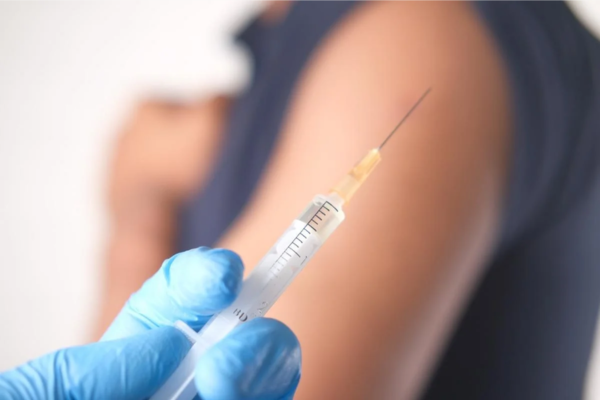
certificate in vaccine administration training for doctors to enhance skills
certificate

CERTIFICATE IN VACCINE ADMINISTRATION

CERTIFICATE IN VACCINE ADMINISTRATION Discover the world of CERTIFICATE IN VACCINE ADMINISTRATIONwith our practical-based Certificate program. Perfect for medical professionals eager to excel in diagnostic, our course offers clinical training and expert guidance. Buy Course Now Get Free Details For Course Batch starts on Jan to Dec/ May to June Course Duration 12 Months Learning Format Online Mode Flexible payment financing options available CERTIFICATE IN VACCINE ADMINISTRATION Vaccine administration is an important component of the Medical Global Academy (MGA) course, focusing on the safe and effective delivery of vaccines to help prevent infectious diseases. Proper vaccine administration involves understanding different vaccine types, recommended schedules, storage and handling requirements, and appropriate injection techniques. This module covers essential precautions and safety protocols to help reduce the risk of adverse events, including anaphylaxis and local site reactions. Emphasis is placed on aseptic techniques, appropriate needle selection and suitable anatomical injection sites based on age and vaccine type. The course also addresses effective communication, helping healthcare providers educate patients about vaccine benefits, possible side effects and the importance of timely immunization in supporting community health. Download Brochure in Whatsapp What you’ll learn Introduction to Vaccinology Vaccine Types and Composition Storage and Handling of Vaccines Vaccine Administration Techniques Safety and Adverse Event Management Vaccine Schedules and Recommendations Key Features 1. Attending /Non-Attending Classes2. Free Study Material with recorded lectures3. Best Faculties (Super Specialists) of India 4. Library Access & Question & Answer Session5. 1 Year of Mentorship6. Updated Curriculum Fill Form Our Team Will Contact Soon Choose medicalglobalacademy as your trusted partner for medical education and elevate your expertise to new heights. Enroll Now Frequently Asked Questions How do I apply for a course? To apply, visit the course page of your interest and click on the ‘Apply Now’ button. Follow the instructions to complete your application. You may need to submit relevant documents and a resume. Are the courses accredited? Yes, all our courses are accredited by recognized medical and educational institutions. Details of accreditation can be found on each course page. Are there any online courses available? Yes, we offer a variety of online courses to provide flexibility for our students. Check the course descriptions for information on whether a course is available online. How can I contact support for more information? You can contact our support team via email at support@medicalglobalacademy.com or call us at [+919310027474]. Our support team is available Monday to Friday from 9 AM to 6 PM. Enroll Now

Certificate in research methodology concept showing data analysis, teamwork, study planning, and academic research tools
certificate

CERTIFICATE IN RESEARCH METHODOLOGY

CERTIFICATE IN RESEARCH METHODOLOGY Discover the world of CERTIFICATE IN RESEARCH METHODOLOGYwith our practical-based Certificate program. Perfect for medical professionals eager to excel in diagnostic, our course offers clinical training and expert guidance. Buy Course Now Get Free Details For Course Batch starts on Jan to Dec/ May to June Course Duration 12 Months Multimodal Program Hybrid Mode & Clinical Attachment Flexible payment financing options available Certificate in Research Methodology The Certificate in Research Methodology is an organized course that is aimed at equipping healthcare professionals and students with a solid background in scientific research and evidence-based practice. The skills to design, conduct, and interpret research are necessary in the modern healthcare environment that is data-driven with the aim of improving clinical outcomes and advancing medical knowledge. The program that MGA (Medical Global Academy) provides, deals with the basic concepts of research such as study design, hypothesis formulation, data collection methods, biostatistics, literature review and ethical considerations. It integrates theoretical knowledge with practice, so members can know the whole research process starting with generating an idea until publishing. The course is recommended to medical professionals, students, and academicians, who wish to develop research skills, become contributors to scientific research, or enrich their academic and clinical careers. Outcome After successful accomplishment of the program, learners will: Establish a good comprehension of research design, research methodology as well as scientific research. Understand how to construct research questions, hypotheses and study objectives. Learn how to perform a literature review and develop a research gap. Know qualitative, quantitative, and mixed-method research methods. Learn simple to complex information on biostatistics and data analysis. Know how to gather, store and analyze research data efficiently. Use ethical standards and regulations in research practice. Learn about the process of writing manuscripts, publication, and peer-review. Develop skills to critically analyze medical literature and research results. On the whole, the program will enable learners to possess the competencies needed to engage in quality research and add to evidence-based healthcare. Career Opportunities Upon the completion of the Certificate in Research Methodology, the professionals will be able to pursue numerous academic, research-oriented positions, which include: Clinical Research Associate (CRA) Research Assistant / Research Coordinator. Medical Research Analyst Academic Researcher Public Health Research Professional. Clinical Data Analyst Healthcare Consultant (Research & Evidence-Based Practice) The skills required in research are greatly appreciated in hospitals, academic institutions, pharmaceutical companies and even in the organizations that assist in promoting health. This certification improves career opportunities, as it opens career opportunities both in the clinical practice and research fields, making the professionals more competitive in the changing healthcare environment. Download Brochure in Whatsapp What you’ll learn Introduction to Research Methodology Literature Review and Hypothesis Formulation Research Design and Sampling Techniques Data Collection Methods and Tools Data Management and Analysis Qualitative Research Techniques Key Features 1. Attending /Non-Attending Classes2. Free Study Material with recorded lectures3. Best Faculties (Super Specialists) of India 4. Library Access & Question & Answer Session5. 1 Year of Mentorship6. Updated Curriculum Course Curriculum Introduction to Research and Scientific Inquiry Definition and importance of research in healthcare Types of research: Basic, applied, clinical, translational Characteristics of good research Formulating research questions and objectives Research ethics and integrity Literature Review and Problem Identification Importance of literature review in research Searching scholarly databases (PubMed, Scopus, etc.) Identifying research gaps Framing a research problem and hypothesis Referencing tools (Zotero, Mendeley) Study Design and Methodology Qualitative vs. Quantitative research Experimental, observational, cross-sectional, and cohort studies Sampling techniques and sample size calculation Validity and reliability of research tools Study protocol development Data Collection and Analysis Tools and techniques for data collection (questionnaires, interviews, surveys) Primary vs. secondary data Basics of biostatistics Data analysis using software (SPSS, R, Excel) Interpretation of findings Research Ethics and Regulatory Guidelines Informed consent and confidentiality Institutional Review Board (IRB) process Ethical issues in human and animal research International ethical guidelines (ICH-GCP, Declaration of Helsinki) Advanced Biostatistics and Data Interpretation Descriptive vs. inferential statistics Parametric and non-parametric tests Confidence intervals and p-values Correlation, regression, and ANOVA Statistical software applications (SPSS, R, STATA) Systematic Reviews and Meta-Analysis Difference between narrative and systematic reviews Protocol development for systematic reviews PRISMA guidelines and flowcharts Introduction to meta-analysis and forest plots Risk of bias assessment (e.g., Cochrane tools) Qualitative Research Methods Grounded theory, phenomenology, ethnography Conducting interviews and focus group discussions Thematic analysis and coding Trustworthiness in qualitative research Use of NVivo or other qualitative analysis tools Grant Writing and Research Funding Identifying funding sources (NIH, WHO, local bodies) Elements of a grant proposal Budgeting and justification Proposal review process Tips for successful grant applications Publication and Peer Review Process Choosing the right journal Manuscript submission process Understanding editorial workflows Responding to peer reviewers Open access vs. traditional journals Research Project Management Setting timelines and milestones Team roles and collaboration in research Record keeping and documentation Managing resources and research assistants Risk mitigation and troubleshooting Epidemiological Research Methods Principles of epidemiology in research Measures of disease frequency (incidence, prevalence) Measures of association (odds ratio, relative risk) Outbreak investigation and surveillance Use of epidemiological tools in public health Health Informatics and Data Management Basics of health informatics and electronic health records (EHR) Data collection tools and platforms (REDCap, ODK, KoBoToolbox) Data storage, security, and confidentiality Structured vs. unstructured data Big data in healthcare research Implementation Science and Translational Research Bridging the gap between research and real-world practice Dissemination and implementation (D&I) frameworks Evaluating the impact of research on health systems Stakeholder engagement in research Translating findings into policy and practice Innovation and Technology in Research Role of AI and machine learning in medical research Mobile health (mHealth) and telemedicine research Use of wearable tech and remote monitoring tools Research in digital health interventions Challenges and opportunities in tech-enabled studies International Research Collaboration Building research networks and consortia Cross-border ethics and legal considerations Multinational trials and data harmonization Global health priorities and collaborative funding Cultural competence in research Career Development and Research Leadership Building a research portfolio/CV Mentorship and networking in

PG DIPLOMA

PG DIPLOMA IN REPRODUCTIVE AND CHILD HEALTH

PG DIPLOMA IN REPRODUCTIVE AND CHILD HEALTH Explore the Fellowship in Reproductive and Child Health at Medical Global Academy (MGA), designed for medical professionals seeking advanced knowledge in reproductive and child healthcare. Learn about diagnostics, maternal care, child health and preventive approaches through structured learning and expert guidance, helping you strengthen your knowledge and clinical decision-making. Buy Course Now Get Free Details For Course MGA | PG Diploma in Reproductive and Child Health | RCH Training About the Programme The MGA Medical Global Academy PG Diploma in Reproductive and Child Health is a comprehensive course designed to equip students with advanced knowledge and practical skills in the care of women, newborns, and children. Key areas covered include reproductive health, maternal care, neonatal health, child development, and adolescent health. The program integrates evidence-based theoretical education with clinical experience, allowing healthcare practitioners to handle real-life scenarios in antenatal care, delivery units, pediatric units, and community-based health clinics. Under the guidance of seasoned specialists, participants become confident in managing both routine and complicated reproductive and child health issues. “This diploma is designed to equip you with the abilities to enhance health and healthcare outcomes and become a valuable addition to the maternal and child health systems.” Attending / Non-Attending ClassesFlexible class formats to suit busy clinical schedules Clinical TrainingClinical training at nearest hospitals/clinics Free Study MaterialRecorded lectures, full notes and e-library access Super-Specialist FacultyIndia’s best RCH specialists NAAC A+ UniversityRecognised across hospitals and institutions 1-Year MentorshipFull year mentorship after registration Programme Outcomes & Career Opportunities By End of Programme Deliver comprehensive reproductive, maternal, neonatal, and childcare Effectively manage antenatal, intranatal, and postnatal care Meet health and family planning needs of adolescents Manage typical childhood illnesses and nutrition Implement RCH programs using public health practices Provide compassionate, patient-centered, and community-based care Career Opportunities Practice in maternity hospitals, pediatrics, and community health centres Participate in RCH and public health programs Collaborate with NGOs and international health organizations Policy-making and management of healthcare programs Teaching, training and research positions Further training in obstetrics, pediatrics or public health Skills You’ll Master Fundamentals of Reproductive Health95% Maternal Health & Safe Motherhood93% Neonatal & Infant Health Management90% Child Health & Disease Prevention88% Program Management & Policy Implementation85% Programme Curriculum Fee & EMI Calculator PG Diploma in Reproductive & Child Health ₹1,50,000 CPD · Online 1 · Certificate Type CPD CertificateCPD & Training Council University CertificateUGC Approved 2 · Study Mode Online₹1,50,000Full online access Hybrid₹1,80,000Online + Clinical Offline₹1,50,000+1 month training 3 · EMI Plan (0% Interest) FullOne-time0% interest 3Months0% interest 4Months0% interest Monthly EMI₹25,000/mofor 4 months 4 instalmentsEMI Total: ₹1,00,000 Course Fee₹1,50,000 Registration Fee−₹50,000 (paid upfront) EMI on Balance₹1,00,000 Certificate TypeCPD Certificate Study ModeOnline Interest Charges₹0 (0% Interest) Total Payable₹1,50,000 Enroll Now — Pay Securely Discuss Fee on WhatsApp Batch closes in: 00Days 00Hrs 00Min 00Sec Course Details Duration12 Months ModeOnline / Hybrid / Offline BatchJan–Dec / May–Jun LanguageEnglish CertificateUGC / CPD Mentorship1 Year Contact+91 9289994218 PG Diploma in Reproductive & Child Health Medical Global Academy In association with NAAC A+ UniversityCPD & Training Council · Mind Power University Download Sample Certificate on WhatsApp Accreditation Partners National International Frequently Asked Questions How do I apply for a course? To apply, visit the course page of your interest and click on the ‘Apply Now’ button. Follow the instructions to complete your application. Are the courses accredited? Yes, all our courses are accredited by recognized medical and educational institutions. Are there any online courses available? Yes, we offer a variety of online courses to provide flexibility for our students. How can I contact support? Email support@indianmedicalcourse.com or call +91 9289868050. Available Monday–Friday, 9 AM–6 PM. PG Diploma in Reproductive Child Health The MGA Medical Global Academy has a comprehensive course, the PG Diploma in Reproductive Child Health, which aims to equip students with advanced knowledge and practical skills in the care of women, newborns, and children. Some of the main areas covered by this course include reproductive health, maternal care, neonatal health, child development and adolescent health. The program integrates both evidence-based theoretical education and clinical experience, which allows healthcare practitioners to handle real-life scenarios in an antenatal care environment, delivery units, pediatric units, and community-based health clinics. Being under the guidance of seasoned specialists, and being exposed to the latest healthcare resources, participants become confident and able to handle both ordinary and complicated reproductive and child health issues. Made to suit doctors, nurses, and other professionals in the field of health, this diploma is designed to equip you with the abilities to enhance health and healthcare outcomes and become a valuable addition to the maternal and child health systems. Outcome of the Program: By the end of the course, you will have the ability to: Deliver all-inclusive reproductive healthcare, maternal care, neonatal care, and childcare. Effective management of the antenatal, intranatal and postnatal care. Meet the health and family planning needs of adolescents. Manage typical childhood illnesses and nutrition. Implement reproductive and child health programs using public health practices. Provide compassionate, patient-centered, and community-based care. Career Opportunities: After the program is completed, you are well-prepared to: Practice in maternity hospitals, pediatrics and community health centres. Participate in child health and reproductive health programs and in public health programs. Collaborate with NGOs and other international health organizations. Act in policy-making and management of healthcare programs. Seek out teaching, training and research positions. Further training in obstetrics, pediatrics or public health. This PG Diploma will allow you to develop expertise in the specialized field of reproductive and child healthcare, allowing you to provide better patient care, contribute to the community health efforts, and develop in a highly influential and sought-after area of the medical profession Download Brochure in Whatsapp Course Curriculum Introduction to Reproductive and Child Health Changes in reproductive and child health services in the world and in India. Themes: Maternal health, child health, adolescent health and family planning. RCH’s role in Public Health systems Epidemiology and Biostatistics in Reproductive Child Health This is a basic overview of the epidemiology of

Scroll to Top