
Medical Global Academy

FELLOWSHIP

FELLOWSHIP

FELLOWSHIP IN INTERNAL MEDICINE

FELLOWSHIP IN INTERNAL MEDICINE Discover the world of Fellowship in Internal MedicineA practice-focused postgraduate diploma program. Ideal for medical professionals who want to enhance their diagnostic skills, this course offers clinical training and expert mentorship. Buy Course Now Get Free Details For Course MGA | Fellowship & PG Diploma in Internal Medicine About the Programme MGA Medical Global Academy offers an advanced Fellowship in Internal Medicine, providing expertise to MBBS doctors and health practitioners worldwide to diagnose and treat a wide range of adult health cases. This Fellowship in Internal Medicine is essential in an age of rising multi-morbidity to deliver evidence-based comprehensive care. The 12-month structured program hones clinical abilities and advanced diagnostic skills, empowering you to lead in both hospital and outpatient settings. “Participants are encouraged to pursue research projects that advance understanding of INTERNAL MEDICINE. Upon completion, fellows are fully equipped to provide quality patient care and advance INTERNAL MEDICINE practice across India.” Live & Recorded ClassesAttend live or rewatch anytime Hospital Clinical TrainingArranged at nearest affiliated hospital Free Study MaterialFull notes, recordings and e-library Super-Specialist FacultyIndia’s top Internal Medicine specialists NAAC A+ CertificateRecognised across hospitals 1-Year Mentorship Full year mentorship after registration Library & Q&A SessionsDedicated doubt-clearing Updated CurriculumEvidence-based and continuously updated Skills You’ll Master Clinical Diagnosis & Patient Management95% Chronic Disease Management92% Acute & Emergency Care90% Pharmacotherapy & Treatment Planning88% Preventive & Geriatric Medicine85% Programme Curriculum Fee & EMI Calculator Select certificate, course, mode & EMI ₹1,50,000CPD · Fellowship · Online 1 · Certificate Type CPD CertificateCPD & Training Council University CertificateUGC Approved 2 · Course Type Fellowship₹1,50,00012-Month Programme PG Diploma₹1,00,00012-Month Programme 3 · Study Mode Online₹1,50,000Full online access Hybrid₹1,80,000Online + Clinical Offline₹1,50,000+1 month training 4 · EMI Plan (0% Interest) FullOne-time0% interest 3Months0% interest 4Months0% interest Monthly EMI₹25,000/mofor 4 months4 instalmentsEMI Total: ₹1,00,000 Course Fee₹1,50,000 Registration Fee−₹50,000 (paid upfront) EMI on Balance₹1,00,000 Certificate TypeCPD Certificate Course TypeFellowship (12M) Study ModeOnline Interest Charges₹0 (0% Interest) Total Payable₹1,50,000 Enroll Now — Pay Securely Discuss Fee on WhatsApp Batch closes in:00Days00Hrs00Min00Sec Course Details Duration12 Months ModeOnline / Hybrid / Offline BatchJan–Dec / May–Jun LanguageEnglish CertificateUGC / CPD Mentorship1 Year Contact+91 9289994218 Fellowship in Internal MedicineMedical Global AcademyIn association with NAAC A+ UniversityCPD & Training Council · Mind Power University Download Sample Certificate on WhatsApp Accreditation PartnersNationalInternational Program overview The Fellowship in Internal Medicine by MGA Medical Global Academy is a practice-oriented post-graduation course for doctors with an MBBS, MD MS degree interested in gaining advanced skills and knowledge in the diagnosis and management of a wide variety of medical conditions affecting adults. The 12 month structured program offers clinical training, evidence-based learning and advanced diagnostic education to build clinical decision making and patient management skills for both hospital and outpatient settings. The fellowship emphasizes broad exposure to cardiology, pulmonology, endocrinology, gastroenterology, nephrology, infectious diseases, hematology, oncology, geriatrics, rheumatology, psychiatry, and vascular medicine, and equips the fellow with the confidence to provide comprehensive care for complex multisystem diseases.  Skills You Will Gain Knowledge of the interpretation of laboratory investigations, imaging studies, ECGs, echocardiography, CT and MRI. Understanding management of acute and chronic disease(s) using a multi-system clinical approach. Knowledge of cardiovascular diseases and their management, such as coronary artery disease, heart failure, arrhythmias, hypertension and valvular disorders. Knowledge of respiratory medicine such as COPD, asthma, pulmonary fibrosis, respiratory infections, pulmonary hypertension and ventilatory support. Endocrinology and metabolic disorders (diabetes, thyroid disorders, adrenal diseases, obesity, osteoporosis and electrolytic disorders) training Specialty knowledge in nephrology (including (A)KI, (C)KD, dialysis, renal transplantation, renal fluid therapy and electrolytes) Infection control knowledge, such as HIV/AIDS, TB, sepsis, fungal infection, antibiotic stewardship and vaccination skills Knowledge of haematology and oncology, such as anemia, leukemia and lymphoma; chemotherapy and immunotherapy; transfusion medicine; palliative cancer care. Specialist training in rheumatology, autoimmune diseases, dermatology, psychiatry and psychosomatic medicine (internal medicine practice) Development of research methodology, evidence based medicine, leadership, mentorship, healthcare advocacy, patient safety, communication skills Career Outcomes After the Fellowship Develop a career focusing on Internal Medicine and multi-system adult patient care. Career paths in a Multi-Specialty Hospital, Critical Care Centre, Out Patient Department, Academic Hospitals, and Community Hospitals Help improve patient outcomes by providing patients with complete, multi-disciplinary medical care. Explore opportunities in subspecialty-focused medical practice including cardiology, pulmonology, nephrology, endocrinology, infectious diseases, and geriatrics Join in clinical research, programs of healthcare quality improvement, academic teaching and leadership positions. Collaborate effectively with other health care professionals to administer multi-disciplinary, patient-focused care. Keep abreast of the latest developments in internal medicine, imaging modalities, and evidence-based treatments. Enhance professional development for Internal Medicine and advanced clinical practice in changing times. Download Brochure in Whatsapp Course Curriculume Advanced Clinical Skills & Diagnosis Advanced history-taking and physical examination techniques Diagnostic reasoning and clinical decision-making Integration of laboratory and imaging data in clinical decision-making Acute vs. chronic disease management Multisystem disease evaluation Case-based learning and clinical simulation Cardiology & Cardiovascular Diseases Coronary Artery Disease and Myocardial Infarction Heart Failure, Arrhythmias, and Valvular Heart Disease Hypertension and Systemic Effects Advanced Interpretation of the Electrocardiogram Cardiovascular Imaging Techniques, Including Echocardiography, CT, and MRI Cardiac Biomarkers and Their Application in Practice Perioperative Pulmonology & Respiratory Medicine Management of chronic obstructive pulmonary disease (COPD) and asthma Management of interstitial lung diseases (ILD) and pulmonary fibrosis Respiratory infections: pneumonia, tuberculosis, and fungal infections Management of pulmonary hypertension and sleep-disordered breathing Management of non-invasive ventilation and mechanical ventilation Pulmonary function tests Smoking cessation and public health initiatives Endocrinology & Metabolic Diseases Diabetes mellitus and its complications Thyroid disorders: hypo- and hyperthyroidism, thyroid cancer Adrenal insufficiency and Cushing’s syndrome Metabolic bone diseases (osteoporosis, Paget’s disease) Pituitary disorders and management of hormone replacement therapies Obesity and metabolic syndrome Electrolyte disturbances and management Gastroenterology & Hepatology Gastroesophageal reflux disease and peptic ulcer disease Inflammatory bowel disease: Crohn’s disease and ulcerative colitis Hepatitis B and C, liver cirrhosis, hepatocellular carcinoma Gastrointestinal malignancies: colorectal cancer, esophageal cancer Endoscopic procedures: colonoscopy, upper gastrointestinal endoscopy, biopsy procedures Liver transplantation and post-transplant care Malabsorption and gastrointestinal motility disorders Nephrology & Renal Medicine Acute

FELLOWSHIP

FELLOWSHIP IN HEMATOLOGY

FELLOWSHIP IN HEMATOLOGY Discover the world of Haematology Fellowships A practice-focused postgraduate diploma programme. Ideal for healthcare professionals who want to enhance their diagnostic skills, this course offers clinical training and expert mentorship. Buy Course Now Get Free Details For Course Download Brochure in Whatsapp MGA | Fellowship & PG Diploma in Hematology About the Programme The Medical Global Academy (MGA) Hematology Fellowship offers a comprehensive and rigorous training programme for healthcare professionals specialising in blood disorders. The fellowship runs for 12 months, delivering a powerful blend of clinical exposure, research opportunities, and world-class mentorship. Trainees diagnose and treat the full spectrum of blood disorders — anaemia, leukaemia, lymphoma, coagulation disorders, and more. The curriculum emphasises evidence-based practice, innovative therapies, and collaborative care, with fellows working alongside India’s most experienced DM super-specialists. “Participants are encouraged to pursue research projects that advance understanding of haematology. Upon completion, fellows are fully equipped to provide quality patient care and advance haematology across India.” Live & Recorded ClassesAttend live or rewatch at your own pace anytime Hospital Clinical TrainingArranged at nearest affiliated hospital in your city Free Study MaterialFull notes, recordings and e-library included DM Super-Specialist FacultyIndia’s top haematologists from premier institutions NAAC A+ CertificateRecognised across hospitals and institutions in India 1-Year MentorshipCareer guidance for a full year after registration Library & Q&A SessionsDedicated doubt-clearing and full e-library access Updated CurriculumWHO-aligned, evidence-based and continuously updated Programme Outcomes & Career Opportunities By End of Programme Diagnose and manage benign and malignant haematological disorders Interpret peripheral smears, bone marrow aspirates, and flow cytometry Manage coagulation disorders, thrombophilia, and anticoagulation therapy Understand chemotherapy protocols, targeted therapy, and immunotherapy Provide comprehensive care for leukaemia, lymphoma, and myeloma patients Deliver evidence-based, patient-centred haematology care Career Opportunities Haematology departments in multi-speciality hospitals Oncology centres and bone marrow transplant units Blood banking and transfusion medicine services Clinical research in haematological malignancies Academic positions and further super-specialisation Start or expand your haematology practice Skills You’ll Master Haematological Diagnosis (CBC, Smear, Flow Cytometry)95% Oncology Haematology (Leukaemia, Lymphoma, Myeloma)90% Bone Marrow Interpretation & Biopsy88% Coagulation Disorders & Anticoagulation Management85% Transfusion Medicine & Blood Banking82% Programme Curriculum Frequently Asked Questions How do I apply for the fellowship? Click “Enroll Now” to proceed directly to our secure Razorpay payment page, or contact us on WhatsApp at +91 9289994218 for guided enrollment. You will receive instant confirmation upon successful payment. Is the programme fully online or is physical attendance required? The programme offers three modes: Online (full online access), Hybrid (online + clinical training), and Offline (classroom + 1-month intensive training). Clinical training is arranged at the nearest affiliated hospital. Which certificate will I receive – CPD or UGC? You can choose between CPD Certificate (CPD & Training Council) or UGC Certificate (University Grade from NAAC A+ accredited university). Both are recognised across hospitals in India. What EMI options are available? We offer flexible EMI plans — pay in full, 3 months, or 4 months with 0% interest. Registration fee (₹50,000) is paid upfront, and EMI is calculated on the remaining balance. Who is eligible to apply? The programme is open to MBBS graduates, MD/MS doctors, and all registered medical professionals looking to specialise in haematology. Final-year MBBS students may also apply. Fee & EMI Calculator Select certificate, course, mode & EMI ₹1,50,000 CPD · Fellowship · Online 1 · Certificate Type CPD CertificateCPD & Training Council University CertificateUGC Approved 2 · Course Type Fellowship₹1,50,00012-Month Programme PG Diploma₹1,00,00012-Month Programme 3 · Study Mode Online₹1,50,000Full online access Hybrid₹1,80,000Online + Clinical Offline₹1,50,000+1 month training 4 · EMI Plan (0% Interest) FullOne-time0% interest 3Months0% interest 4Months0% interest Monthly EMI₹25,000/mofor 4 months 4 instalmentsEMI Total: ₹1,00,000 Course Fee₹1,50,000 Registration Fee−₹50,000 (paid upfront) EMI on Balance₹1,00,000 Certificate TypeCPD Certificate Study ModeOnline Interest Charges₹0 (0% Interest) Total Payable₹1,50,000 Enroll Now — Pay Securely Discuss Fee on WhatsApp Batch closes in: 00Days 00Hrs 00Min 00Sec Course Details Duration12 Months ModeOnline / Hybrid / Offline BatchJan–Dec / May–Jun LanguageEnglish CertificateUGC / CPD Mentorship1 Year Contact+91 9289994218 Fellowship in Hematology Medical Global Academy In association with NAAC A+ UniversityCPD & Training Council · Mind Power University Download Sample Certificate on WhatsApp Accreditation Partners National International Marquee & Stats Section NAAC A+ Accredited 200+ Doctors Trained Clinical Attachment Best Seller 2025 1 Year Mentorship Flexible EMI Plans Live + Recorded Lectures +91 9289994218 NAAC A+ Accredited 200+ Doctors Trained Clinical Attachment Best Seller 2025 1 Year Mentorship Flexible EMI Plans Live + Recorded Lectures +91 9289994218 200+Doctors Trained 12Months Duration 4.6★Student Rating 3Accreditations 100%Online Access Part 3 – Expert Faculty, Reviews & FAQ Expert Faculty Taught exclusively by qualified specialists — each a leader in their clinical subspecialty. Loading faculty… What Our Fellows Say ★★★★★Very experienced teachers. The LMS portal made it easy to revisit difficult topics.SRDr. Subh General Physician ★★★★★Excellent training, great support from my counsellor. Very happy with this choice!DKDr. Deep KumarFinal Year MBBS ★★★★★Weekend classes with recordings — perfect for working doctors. Support has been exceptional.VGDr. Vishal GautamHospital Resident ★★★★★Certificate on time, clinical training arranged at my preferred hospital.AMDr. Ambika MishraClinical Fellow Frequently Asked Questions How do I apply for the fellowship? Click “Enroll Now” to proceed directly to our secure Razorpay payment page, or contact us on WhatsApp at +91 9310027474. Is the programme fully online or is physical attendance required? The programme is hybrid — all theory classes are online and clinical attachment is arranged at the nearest affiliated hospital. Which university issues the certificate and is it accredited? The certificate is issued by Infotech Education Society (NAAC A+ graded) university and co-certified by CPD & Training Council. What EMI options are available? We offer flexible EMI plans via Razorpay — pay in full, 3, or 4 equal monthly instalments. Who is eligible to apply? Open to MBBS graduates, MD/MS doctors, and registered medical professionals. Are all courses accredited? Yes, all MGA courses are accredited by recognized institutions.

FELLOWSHIP

FELLOWSHIP IN HOSPITAL MANAGEMENT

FELLOWSHIP IN HOSPITAL MANAGEMENT Discover the world of Hospital Management Fellowships A practice-focused postgraduate diploma program. Ideal for medical professionals who want to enhance their diagnostic skills, this course offers clinical training and expert mentorship. Course Price ₹ 2,50,000 ₹2,00000 Buy Course Now Get Free Details For Course Batch starts on Jan to Dec/ May to June Course Duration 12 Months Multimodal Program Hybrid Mode & Clinical Attachment Flexible payment financing options available Sample Certificate For Course FELLOWSHIP IN HOSPITAL MANAGEMENT The Hospital Management Fellowship offers an innovative journey for healthcare professionals who wish to expand their expertise in the complex field of healthcare management. As part of this program, participants will delve deep into various aspects of hospital operations, strategic planning, financial management, and quality improvement. By working with experienced mentors and industry leaders, fellows will gain valuable insights into effective leadership, innovative healthcare technologies, and regulatory compliance. The fellowship fosters a dynamic learning environment where participants develop critical thinking skills and enhance their ability to navigate the complexities of modern healthcare. By combining theoretical knowledge with practical experience, fellows will develop into competent leaders who can drive positive change in healthcare organizations, ensuring optimal patient care and organizational success. Download Brochure in Whatsapp What you’ll learn Introduction to Hospital Management Healthcare Policy and Regulations Financial Management in Healthcare Strategic Planning and Leadership Quality Improvement and Patient Safety Healthcare Information Technology Key Features Attending /Non-Attending Classes Clinical Training in Nearest Hospital/Clinics.  Free Study Material with recorded lectures  Best Faculties (Super Specialists) of India 5. Library Access & Question & Answer Session6. NAAC A+ University7. 1 Year of Mentorship8. Updated Curriculum Our Accrediation Partners Fill Form Our Team Will Contact Soon Choose medicalglobalacademy as your trusted partner for medical education and elevate your expertise to new heights. Enroll Now Frequently Asked Questions How do I apply for a course? To apply, visit the course page of your interest and click on the ‘Apply Now’ button. Follow the instructions to complete your application. You may need to submit relevant documents and a resume. Are the courses accredited? Yes, all our courses are accredited by recognized medical and educational institutions. Details of accreditation can be found on each course page. Are there any online courses available? Yes, we offer a variety of online courses to provide flexibility for our students. Check the course descriptions for information on whether a course is available online. How can I contact support for more information? You can contact our support team via email at support@medicalglobalacademy.com or call us at [+919310027474]. Our support team is available Monday to Friday from 9 AM to 6 PM. Enroll Now
FELLOWSHIP

FELLOWSHIP IN ORAL AND MAXILLOFACIAL RADIOLOGY

FELLOWSHIP IN ORAL AND MAXILLOFACIAL RADIOLOGY Discover the world of oral and maxillofacial radiology fellowship with our practice-focused postgraduate diploma programme. Ideal for healthcare professionals looking to enhance their diagnostic skills, our course offers clinical training and expert mentorship. Course Price ₹ 2,50,000 ₹2,00000 Buy Course Now Get Free Details For Course Batch starts on Jan to Dec/ May to June Course Duration 12 Months Multimodal Program Hybrid Mode & Clinical Attachment Flexible payment financing options available Sample Certificate For Course FELLOWSHIP IN ORAL AND MAXILLOFACIAL RADIOLOGY The Oral and Maxillofacial Radiology Fellowship at MGA Medical Global Academy is a specialized program that provides comprehensive training in the diagnosis and treatment of diseases, disorders, and conditions of the oral and maxillofacial region. The fellowship provides advanced training in imaging techniques, including conventional radiography, cone-beam computed tomography (CBCT), magnetic resonance imaging (MRI), and ultrasound, equipping fellows with the expertise necessary to interpret complex cases. Under the guidance of experienced faculty, fellows will engage in clinical practice, conduct research, and collaborate across disciplines to develop a comprehensive understanding of oral and maxillofacial pathology. Graduates of this program will be prepared to serve as leaders in the field and contribute to the advancement of oral health through superior diagnostic skills and innovative research. Download Brochure in Whatsapp What you’ll learn Introduction to Oral and Maxillofacial Radiology Basic Radiologic Techniques Cone-Beam Computed Tomography (CBCT) Advanced Imaging Techniques Radiation Physics and Biology Imaging Anatomy of the Oral and Maxillofacial Regions Key Features Attending /Non-Attending Classes Clinical Training in Nearest Hospitals/Clinics.  Free Study Material with recorded lectures  Best Faculties (Super Specialists) of India 5. Library Access & Question & Answer Session6. NAAC A+ University7. 1 Year of Mentorship8. Updated Curriculum Our Accrediation Partners Fill Form Our Team Will Contact Soon Choose medicalglobalacademy as your trusted partner for medical education and elevate your expertise to new heights. Enroll Now Frequently Asked Questions How do I apply for a course? To apply, visit the course page of your interest and click on the ‘Apply Now’ button. Follow the instructions to complete your application. You may need to submit relevant documents and a resume. Are the courses accredited? Yes, all our courses are accredited by recognized medical and educational institutions. Details of accreditation can be found on each course page. Are there any online courses available? Yes, we offer a variety of online courses to provide flexibility for our students. Check the course descriptions for information on whether a course is available online. How can I contact support for more information? You can contact our support team via email at support@medicalglobalacademy.com or call us at [+919310027474]. Our support team is available Monday to Friday from 9 AM to 6 PM. Enroll Now

FELLOWSHIP

FELLOWSHIP IN NEONATAL ECHOCARDIOGRAPHY

FELLOWSHIP IN NEONATAL ECHOCARDIOGRAPHY Discover the world of neonatal echocardiography. A practically focused postgraduate diploma programme. Ideal for healthcare professionals who want to enhance their diagnostic skills, this course offers clinical training and expert guidance. Course Price ₹ 2,50,000 ₹2,00000 Buy Course Now Get Free Details For Course Batch starts on Jan to Dec/ May to June Course Duration 12 Months Multimodal Program Hybrid Mode & Clinical Attachment Flexible payment financing options available Fellowship in Neonatal Echocardiography MGA Medical Global Academy’s Fellowship in Neonatal Echocardiography is an advanced training program that provides pediatricians, neonatologists, and healthcare professionals with specialized knowledge and skills in neonatal cardiac imaging. The fellow will gain extensive experience and knowledge of performing and interpreting in-depth echocardiographic evaluations of neonates, with a particular emphasis on cardiac structural and functional evaluations in the NICU environment. This program involves both theoretical and clinical training in neonatal cardiac anatomy, Doppler imaging, assessment of congenital cardiac diseases, and hemodynamic monitoring. Participants learn techniques in bedside neonatal echos, functional cardiac evaluation, PDA evaluation, pulmonary hypertension evaluation and critical care cardiac imaging. The material also covers evidence-based clinical decision-making, image interpretation, and multi-disciplinary approaches to neonatal care that are vital to the practice of modern NICUs. The increasing role of point of care cardiac imaging in the NICU has created an important need for neonatal echocardiographists in neonatal intensive care units as well as pediatric cardiac centers and tertiary care centers around the world. Outcome After completing this program, participants will be able to: Know the anatomy, physiology and transitional circulation of the newborn heart. Utilize 2D, M-mode and Doppler neonatal echocardiographic examinations for performance and interpretation. Evaluate the functioning of the ventricles, cardiac output and haemodynamics in critical ill neonates. Recognise and assess some congenital heart disease in newborns Use functional echo to make clinical decisions in NICU settings Assess neonatal shock states, pulmonary hypertension and patent ductus arteriosus (PDA) Include information from echocardiography in the management of the critically ill neonate. Understand the cardiac complications for pre-term and the critically ill infant Utilize evidence-based neonatal cardiac imaging protocols and reporting standards Provide safe, ethical and patient-centered care for the cardiac baby. Career Opportunities This fellowship offers many career options in neonatal and pediatric cardiac care such as: Neonatal Echocardiography Specialist NICU Functional Echocardiography Practitioner Dr. Thomas P. K. McDonald is a Pediatric Cardiology Clinical Associate. Neonatal Intensive Care Unit (NICU) Imaging Professional Child Heart Expert Point of Care Ultrasound Practitioner in Neonatology (POCUS) He served as a Clinical Associate in the Departments of Pediatric Cardiology at The Children’s Hospital of Philadelphia and the University of Pennsylvania. HWs in NICUs, Pediatric Cardiac Centers, Tertiary Hospitals Academic and Clinical Trainer in Neonatal Echocardiography is a two-year program that will lead to a PhD Doctorate in Medicine. Research and Clinical Roles in Neonatal Cardiac Care Programs   The growing role of bedside cardiac imaging in newborns’ intensive care and in paediatric cardiology has created an increasing need for trained professionals with expertise in neonatal echocardiography in all NICUs, paediatric hospitals, cardiac care centres and advanced neonatal care units around the world. Download Brochure in Whatsapp What you’ll learn Fundamentals of Neonatal Cardiac Anatomy and Physiology Principles of Echocardiography Common Neonatal Cardiac Pathologies Ethical and Professional Considerations Parasternal Window Suprasternal Window Key Features Attending /Non-Attending Classes Clinical Training in Nearest Hospital/Clinics.  Free Study Material with recorded lectures  Best Faculties (Super Specialists) of India 5. Library Access & Question & Answer Session6. NAAC A+ University7. 1 Year of Mentorship8. Updated Curriculum Course Curriculum Neonatal Cardiac Anatomy and Physiology Fetal circulation and transition at birth. This will involve both structural and functional development of the heart.Structural and functional development of the heart. Normal physiology of the cardiovascular system in the newborn. Principles of Echocardiography The physics and instrumentation of ultrasound. Imaging techniques: 2D, M-mode, Doppler (Color, Pulse, Continuous) Neonate echocardiographic views. Functional Echocardiography in the NICU Assessment and interpretation of hemodynamics Left and Right Ventricular Function.LVFRt. Evaluation of blood flow in systemic circulation and cardiac output Congenital Heart Disease in Neonates Common Acyanotic and Cyanotic heart defects (ASD, VSD, PDA, TOF, TGA) Echocardiography in the diagnosis and differentiation. Pre- and post-operative care using echo. Advanced Echocardiographic Techniques Furthermore, T. Doppler imaging and strain analysis were used. 3D-echo in babies. Discuss emerging imaging techniques and their applications.Discuss newer imaging modalities and their applications. Echocardiography in Neonatal Emergencies Persistent Pulmonary Hypertension of the Newborn (PPHN) Pericardial effusion, tamponade and cardiac failure Shock evaluation and management guidelines Integrating Echo into Clinical Practice Point of care echocardiography (POCUS) protocols Appropriate decisions made based on echo findings Assessment/Monitoring in the NICU (serial assessments) Echocardiography in Preterm Infants Special cardiac physiology in pre-term infants. The diagnostic and monitoring of patent ductus arteriosus (PDA):Diagnosis and monitoring of patent ductus arteriosus (PDA): Blood flow and cerebral perfusion in preterms. Cardiopulmonary Interactions Interactions of the lungs and the heart in neonatal respiratory distress Effect of mechanical ventilation on cardiac function.Effects of mechanical ventilation on the cardiac function. During the respiratory support, echocardiographic assessment should be performed. Pharmacologic Impacts on Cardiac Function Inotropic, vasopressor and prostaglandin effects. Remind children to let you know if treatment is working for them. Assess the cardiac side effects of NICU drugs. Echocardiography in Postoperative Neonates Post-cardiac surgery evaluation The recognition of residual lesions, effusions and shunts The process of monitoring and planning for future activities that follow in sequence. Neonatal Arrhythmias and Conduction Disorders Repeat results of arrhythmias (e.g. SVT, AV block) Structural causes of rhythm disturbances The use of echo for electrophysiologic evaluation.Using Echo for electrophysiologic evaluation. Genetic Syndromes and Cardiovascular Abnormalities Trisomy 21 (Down syndrome), DiGeorge syndrome are syndromic heart diseases in which echo is involved. Screening and surveillance measures Multidisciplinary management perspectives Tele-echocardiography and Remote Interpretation Knowledge of basic telemedicine in neonatal echo. Photography for distance exam. Workflow integration and ethical/legal aspects. Fetal Echocardiography – Foundations for Neonatal Care Basic anatomy and physiology of the fetal heart Congenital heart defects prenatal diagnosis Adoption of fetal echo results

FELLOWSHIP

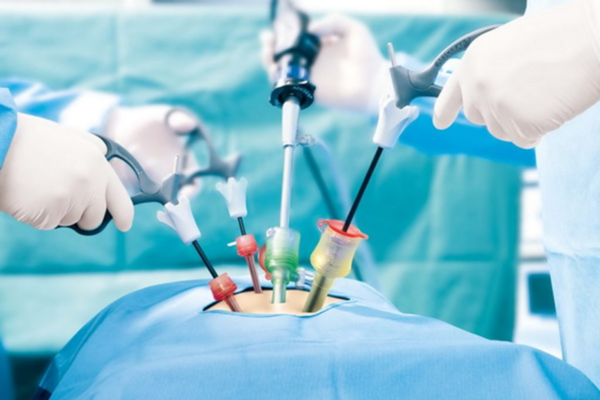
FELLOWSHIP IN MINIMALLY INVASIVE SURGERY

FELLOWSHIP IN MINIMALLY INVASIVE SURGERY Discover the world of minimally invasive surgery fellowships with a practice-focused postgraduate diploma program. Ideal for medical professionals looking to enhance their diagnostic skills, our course offers clinical training and expert mentorship. Course Price ₹ 2,50,000 ₹2,00000 Buy Course Now Get Free Details For Course Batch starts on Jan to Dec/ May to June Course Duration 12 Months Multimodal Program Hybrid Mode & Clinical Attachment Flexible payment financing options available Fellowship in Minimally Invasive Surgery MGA Medical Global Academy’s Fellowship in Minimally Invasive Surgery is a high-specialised program that trains surgeons in key laparoscopic, endoscopic and robotic surgical skills. This fellowship emphasizes on enhancing technical accuracy, safety and efficiency in surgical practice, so you can perform complex surgical procedures through minimally invasive techniques to improve patient outcomes. Combining theoretical knowledge with practical clinical experience, you will have clinical experience in surgical procedures under the supervision of experienced mentors. The program covers both basic laparoscopic surgery and advanced multi-speciality procedures in general surgery, gynecology and urology, preparing you for the challenging and innovative surgical environment. The program is designed to mimic the surgical environment, focusing on pre-op assessment, intra-op decision making and post-op management, to prepare you for independent practice in minimally invasive surgery. Outcome of the Fellowship: By the end of the course, you will be able to: Confidently perform basic and advanced minimally invasive surgical procedures Use laparoscopic and robotic techniques across a range of specialties Decide on exact surgical strategies in intricate situations Manage surgical complications effectively Provide safe, efficient and patient-centred surgical care Career Opportunities: Once you complete the fellowship, you’ll have opportunities to: Senior positions in laparoscopic and minimally invasive surgical units Work in multi-specialty and super-specialty hospitals Experience in robotic surgery and advanced laparoscopic surgical techniques Teaching and training in surgery Starting a minimally invasive surgical practice or center This fellowship helps you move from traditional open surgery techniques to precision-driven, technology-enabled minimally invasive surgery, enabling you to enhance surgical outcomes, productivity and career advancement. Download Brochure in Whatsapp What you’ll learn Foundations of Minimally Invasive Urology Laparoscopic Urological Surgery Robotic-Assisted Urological Surgery Advanced Endoscopic Techniques Pediatric Minimally Invasive Urology Postoperative Care and Outcomes Assessment Key Features Attending /Non-Attending Classes Clinical Training in Nearest Hospital/Clinics.  Free Study Material with recorded lectures  Best Faculties (Super Specialists) of India 5. Library Access & Question & Answer Session6. NAAC A+ University7. 1 Year of Mentorship8. Updated Curriculum Course Curriculum Fundamentals of Minimally Invasive Surgery Overview of laparoscopic and endoscopic surgery Tools: trocars, cameras, lights, energy sources Theater setup and ergonomics Safety and complication avoidance Simulation: box trainer, virtual reality Laparoscopic General Surgery Laparoscopic appendectomy and cholecystectomy Inguinal and ventral hernia repair (TAPP, TEP, IPOM) Laparoscopic colectomy and bowel anastomosis Hemostasis and laparoscopic suturing Case presentations and video reviews Advanced Gynecological Laparoscopy Total laparoscopic hysterectomy (TLH) Myomectomy and endometriosis management Ovarian cystectomy and ectopic pregnancy Diagnostic and operative hysteroscopy Use of electrosurgical and ultrasonic devices in Gynae MIS Urologic Minimally Invasive Surgery Laparoscopic pyeloplasty and nephrectomy Ureteral reimplantation and adrenalectomy Transurethral and retroperitoneal approaches Basic endourology principles Patient selection and postoperative care Hepatobiliary and Upper GI Procedures Laparoscopic cholecystectomy and CBD exploration Management of bile duct injuries Anti-reflux surgery (Nissen fundoplication) Gastrectomy and bariatric surgery basics Intraoperative cholangiography and laparoscopic ultrasound Robotic-Assisted Surgery Introduction to robotic surgical systems (e.g., Da Vinci) Docking, instruments, and troubleshooting General surgery, gynecology and urology robotics Simulation and “dry-lab” training Bringing robotics to the clinic Pediatric and Thoracic MIS (Optional/Elective) Pediatric laparoscopic appendectomy, hernia repair Thoracoscopic sympathectomy, decortication Anesthesia and positioning in the pediatric patient Specialized instrumentation for pediatric cases Advanced Suturing and Tissue Handling Intra- and extracorporeal suturing Barbed sutures and absorbable clips Knot tying (single and double-handed) Managing friable or inflamed tissue Training and assessment using dry lab and animal models Emergency Laparoscopy and Trauma Laparoscopic approach to abdominal trauma Treatment of bleeding and bowel injuries Laparoscopy for blunt and penetrating injuries Damage control laparoscopy principles Decision-making in unstable patients Colorectal Minimally Invasive Surgery Laparoscopic anterior resection, low anterior resection (LAR) Techniques in colorectal cancer surgery Oncologic safety and lymphadenectomy Staplers and anastomosis Enhanced recovery after surgery (ERAS) Thoracoscopic and Mediastinal Surgery Video-assisted thoracoscopic surgery (VATS) Thoracoscopic wedge resection and lobectomy Excision of mediastinal masses and drainage of pleural effusion Port placement for thoracic MIS Thoracic MIS lung isolation and anesthesia Minimally Invasive Bariatric Surgery Laparoscopic sleeve gastrectomy and gastric bypass Patient selection and preoperative work-up Postoperative metabolic monitoring Management of leaks and nutritional deficiencies Follow-up care and lifestyle advice Innovation, AI, and Future of MIS Surgery and artificial intelligence Operating rooms of the future and augmented reality in MIS Image-guided navigation systems Robotic and telesurgery Evaluation of new surgical technologies Teaching, Mentorship, and Surgical Leadership Training the next generation in MIS Team communication and building in the OR Surgical coaching and mentoring Surgical team and quality improvement leadership Conflict resolution and leadership ethics Pediatric Minimally Invasive Surgery – Advanced Techniques Advanced pediatric laparoscopic surgery (fundoplication, pyeloplasty) MIS repair of congenital anomalies Minimally invasive treatment of pediatric tumors Anesthesia and positioning in pediatrics Pediatric specific postoperative care Vascular and Endovascular Minimally Invasive Surgery Essentials of vascular anatomy and pathology for MIS Balloon angioplasty, stenting and embolization MIS for varicose veins Laparoscopic vascular surgery principles Dealing with complications and conversion to open Gynecologic Oncology MIS Laparoscopic staging of gynecological cancers Radical hysterectomy and lymphadenectomy MIS for endometrial, cervical, ovarian cancers Fertility-sparing MIS procedures Multidisciplinary tumor board participation MIS in Emergency and Critical Care Settings Laparoscopy in acute abdomen evaluation Minimally invasive surgery (MIS) for intra-abdominal sepsis and abscess Emergency thoracoscopy Interaction with intensive care and anaesthesia Indications for MIS in emergency situations Our Accrediation Partners Fill Form Our Team Will Contact Soon Choose medicalglobalacademy as your trusted partner for medical education and elevate your expertise to new heights. Enroll Now Frequently Asked Questions How do I apply for a course? To apply, visit the course page of your interest and click on the ‘Apply Now’ button. Follow

FELLOWSHIP

FELLOWSHIP IN MINIMAL ACCESS SURGERY

FELLOWSHIP IN MINIMAL ACCESS SURGERY Discover the world of fellowship in minimal access surgery with a practice-oriented postgraduate diploma program. Ideal for healthcare professionals seeking diagnostic skill excellence, this course offers clinical training and expert mentorship. Course Price ₹ 2,50,000 ₹2,00000 Buy Course Now Get Free Details For Course Batch starts on Jan to Dec/ May to June Course Duration 12 Months Multimodal Program Hybrid Mode & Clinical Attachment Flexible payment financing options available Program overveiw MGA Medical Global Academy’s Fellowship in Minimal Access Surgery is an advanced post-graduate course aimed at enhancing the expertise of surgeons and MS professionals in minimally invasive surgeries through a practice-oriented course. This is a structured fellowship program that lasts for 12 months and includes a balance of theory and clinical training in laparoscopic, endoscopic, and robotic-assisted surgery. The program emphasizes better surgical accuracy, patient safety, peri-operative management, and recovery of patients, as well as introducing students to current surgical technology and evidence-based surgical practice. Fellows acquire all aspects of gastrointestinal, gynecological, urological, hepatobiliary, colorectal, spine and robotic-assisted minimal access surgeries, ready to advance in their surgical practice in the modern healthcare setting. Skills You Will Gain Understanding of laparoscopic surgical techniques, positioning, trocar placement, CO2 insufflation and Operating Room ergonomics. Assisted training in robotic surgery procedures performed in gastrointestinal, gynecological, urological, colorectal and cardiac surgeries. Knowledge of dissecting tissue, performing various types of intracorporeal sutures, staples, vessel sealing and hemostasis techniques. Knowledge of the management of surgical complications – bleeding, bowel injury, gas embolism and conversion to open surgery. Understanding of modern technologies such as robotic systems, laser-assisted surgery, surgical navigation and minimally invasive spine surgery. Advancement of per-operative care, infection control, post-operative recovery and patient safety management skills. Exposure to research methodology, evidence based surgical practice, medical ethics, leadership and inter-disciplinary collaboration in minimal access surgery. Career Outcomes After the Fellowship Develop a successful career in Minimal Access Surgery including laparoscopic and robotic surgery skills. Operate in multi-specialty hospitals, surgical centres, laparoscopic units, and advanced minimally invasive surgery centres. Opportunities in gastrointestinal surgery, hepatobiliary surgery, gynecological surgery, urological surgery, colorectal surgery, bariatric surgery and robotic surgery. Help to deliver better patient results with shorter recovery and fewer complications in minimally invasive surgery. Contribute to teaching and surgical training, clinical research and medical innovation initiatives. Work with multiple surgical and critical care disciplines in advanced patient care. Assist in new technologies such as robotic surgery, AI assisted surgery, endoscopic surgery and laser-assisted surgery. Expand and support the professional development in advanced surgical practice, evidence-based surgery and minimally invasive delivery of healthcare. Download Brochure in Whatsapp What you’ll learn Introduction to Minimal Access Surgery Surgical Anatomy and Physiology Laparoscopic Techniques Robotic Surgery Bariatric Surgery Gastrointestinal Surgery Key Features Attending /Non-Attending Classes Clinical Training in Nearest Hospital/Clinics.  Free Study Material with recorded lectures  Best Faculties (Super Specialists) of India 5. Library Access & Question & Answer Session6. NAAC A+ University7. 1 Year of Mentorship8. Updated Curriculum Course Curriculum Introduction to Minimal Access Surgery Minimal access surgery: history and evolution. Advantages and disadvantages of MAS. Principles: Indications, contraindications and patient selection. Equipment and instruments used in MAS Patient positioning and precautions. Laparoscopic camera systems, and optics. Principles of tissue manipulation and sewing skills. Laparoscopic Surgical Techniques I (Basic) Introduction to laparoscopy: Ports, CO2 insufflation, and ergonomics. Simple laparoscopy: Cholecystectomy (removal of the gallbladder), appendectomy. Manipulation of tools: Laparoscopic needle driver, graspers, and scissors. Relevant surgical anatomy of laparoscopic surgery. Simple knot-tying and suture. Perioperative management: Preoperative management, anesthesia, and postoperative management. Advanced Laparoscopic Techniques Innovative laparoscopic procedures: Colectomy, hernia repair (inguinal, ventral), bariatric surgery. Laparoscopic gastrointestinal surgery complex processes. Tissue dissection and vessel sealing principles and hemostasis. Suture and stapling of the laparoscopic operation. Advanced skills: Single-incision laparoscopic surgery (SILS) and robotic-assisted surgery Management of laparoscopic complications Urological Minimal Access Surgery Partial nephrectomy and laparoscopic nephrectomy. Stone surgery and laparoscopic pyeloplasty. Urologic robot surgery. Laparoscopy Urological anatomy. Less invasive prostate surgery. Treatment of typical urological complications. Gynecological Minimal Access Surgery Laparoscopic hysterectomy: Methods, indications and patient selection. Ovarian cystectomy, myomectomy and tubal surgery. surgery on endometriosis and intra-pelvic adhesions. Robotic-assisted gynecological surgery Complications in laparoscopic gynecology. Gastrointestinal and Hepatobiliary Minimal Access Surgery Laparoscopic colonic and rectal resections. Laparoscopic liver resection and laparoscopic cholecystectomy. Hepatobiliary surgery: Principles and techniques. Management of gastrointestinal bleeding through endoscopic and laparoscopic means Gastrointestinal complications of MAS and their treatment. Laparoscopic esophageal surgery Robotic-Assisted Minimal Access Surgery The fundamentals of robotic surgery: Pros and cons. Laparoscopic surgery using robots. Robotization of instrumentation and system. Urological, gynecological and colorectal surgery uses. Robotic surgery in cancer surgery. Ergonomic and patient positioning in robotic surgery. Advanced Endoscopic Techniques Endoscopic retrograde cholangiopancreatography (ERCP). Gastrointestinal surgery- Endoscopic ultrasound (EUS). Endoscopic hybrid and laparoscopic. Diagnostic laparoscopy and staging of malignancies. Endoscopic treatment of gastrointestinal and biliary diseases. Surgical Complications & Management in MAS Typical problems with laparoscopic surgery (e.g., bleeding, bowel injury, gas embolism) Postoperative care and recovery The treatment of surgical site infection in minimal access procedures. Complication prevention strategies: Surgical checklists, monitoring of patients. Emergency operations in MAS (e.g., conversion to open surgery) Research, Ethics, and Professional Development Ethical issues in minimal access surgery Present trends and advances in MAS. Clinical research and evidence-based medicine in MAS. How to write and publish in medical journals. Further education of medicine and career in MAS. Surgical and interdisciplinary leadership skills. Advanced Robotic-Assisted Cardiac Surgery Robot-assisted coronary artery bypass grafting (CABG). Mitral valve repair and replacement through robots. Robotic atrial septal defect (ASD) repair and other defect repairs of the heart. Robotically assisted minimal invasive heart valve surgeries. Robotic-assisted A-fibrillation surgery (e.g., atrial fibrillation ablation) Robotic technologies in cardiac surgery. Robotic cardiac surgery intraoperative imaging and echocardiography. Advanced Minimal Access Spine Surgery Percutaneous lumbar discectomy and minimally invasive lumbar fusion. Minimally invasive spinal deformity repair (e.g. scoliosis, kyphosis) Spinal tumor resection and biopsy using minimally invasive techniques Endoscopic procedures in cases of stenosis of the spine and disc herniations. Spinal surgery Robotic navigation and guidance. Breakthroughs in MAS

FELLOWSHIP

FELLOWSHIP IN OPHTHALMOLOGY

FELLOWSHIP IN OPHTHALMOLOGY Discover the world of Ophthalmology Fellowships A practice-focused postgraduate diploma programme. Ideal for medical professionals who want to enhance their diagnostic skills, this course offers clinical training and expert mentorship. Course Price ₹ 2,50,000 ₹2,00000 Buy Course Now Get Free Details For Course Batch starts on Jan to Dec/ May to June Course Duration 12 Months Multimodal Program Hybrid Mode & Clinical Attachment Flexible payment financing options available Sample Certificate For Course FELLOWSHIP IN OPHTHALMOLOGY MGA Medical Global Academy’s Ophthalmology Fellowship is a comprehensive program that provides advanced training in the diagnosis, treatment, and care of a range of eye diseases. The fellowship combines cutting-edge technology with clinical practice and provides fellows with exposure to a wide range of ophthalmology specialties, including retinal diseases, glaucoma, and corneal diseases. A combination of clinical experience, didactic learning, and research opportunities equip fellows with the skills they need to succeed in both academic and clinical environments. The program emphasizes a patient-centered approach, ensuring fellows are well-equipped to provide quality care while contributing to the advancement of ophthalmic knowledge and practice. Download Brochure in Whatsapp What you’ll learn Foundations and Core Skills Anterior Segment Disorders Posterior Segment Disorders Glaucoma and Neuro-Ophthalmology Pediatric Ophthalmology and Strabismus Research and Innovation Key Features Attending /Non-Attending Classes Clinical Training in Nearest Hospitals/Clinics.  Free Study Material with recorded lectures  Best Faculties (Super Specialists) of India 5. Library Access & Question & Answer Session6. NAAC A+ University7. 1 Year of Mentorship8. Updated Curriculum Course Curriculum Introduction to Advanced Ophthalmology Advanced Ocular Anatomy & Physiology Diagnostic Imaging ( OCT, Fundus Photography, Fluorescein Angiography, etc. ) Modern Slit Lamp Exam Techniques. Understanding Ophthalmic Emergencies Patient Communication & Ethical Considerations in Ophthalmology Ocular Surface & External Disease Corneal Diseases (Infections, Degeneration, and Dystrophies) Dry Eye Disease: Diagnosis, Management, and Surgical. Lid and conjunctival lesions (benign and malignant) Lacrimal System Diseases and Surgeries State-of-the-Art Techniques of Ocular Surface Reconstruction. Cataract Surgery and Refractive Surgery Cutting-edge Cataract Surgery (Femtosecond Laser, Phacoemulsification) Selection and Customization of Intraocular Lens (IOL). Refractive Surgery: LASIK, PRK, SMILE and New Techniques. Treatment of Cataract Surgery Complications. Visual Rehabilitation and Postoperative Care. Retina and Vitreous Diseases Diabetic Retinopathy: Diagnosis, Treatment and Screening. Retinal Detachments: Diagnosis, Surgery and Postoperative Management. Age-Related Macular Degeneration (AMD): Diagnosis and Treatment. Retinal Vascular Diseases: Retinal Vein Occlusion, Retinal Artery Occlusion. Vitreoretinal Surgery: Surgical Management Techniques and Advances. Glaucoma and Neuro-Ophthalmology Primary and Secondary Glaucoma: Diagnosis and Medical/Surgical Treatment. Minimally Invasive Surgery of the Glaucoma (MIGS). State of the Art Diagnostic Technologies (Gonioscopy, OCT, Perimetry) in glaucoma. Neuro-Ophthalmology: Diagnosis and Management of Optic Nerve Disorders. Visual Pathway Lesions and Pupil Disorders. Pediatric Ophthalmology and Strabismus (Weeks 21-24) Pediatric Eye Diseases: Retinopathy of Prematurity (ROP), Amblyopia, Congenital Cataracts. Pediatric Refraction and Refractive error correction. Strabismus: Diagnosis, Surgical and Non-Surgical Treatment. Pediatric Glaucoma: Diagnosis and Treatment of the condition. Pediatric Ophthalmology Surgery. Oculoplastic Surgery and Orbital Disease (Weeks 25-28) Eyelid Surgery: Blepharoplasty, Ptosis Repair, Entropion/Extropion. Orbital Trauma: Diagnosis and Surgery. Orbital Tumors: benign and malignant tumors. Tear Duct Surgery: Dacryocystorhinostomy (DCR) Aesthetic Oculoplastic Surgery and Reconstruction. Advanced Surgical Techniques & Complication Management (Weeks 29-32) The Treatment of Cataract and Retina Surgery Complications. Sutureless Surgery and Advanced Suture Techniques. Surgical Innovations in Glaucoma and Vitreoretinal Surgeries. Microsurgical Instrumentation and Innovations Research, Innovation, and Clinical Trials in Ophthalmology (Weeks 33-36) Publishing and writing scientific papers in ophthalmology. Ophthalmic Research Methodology Ophthalmology Clinical Trials: Design, Implementation, and Ethics. Recent developments and upcoming innovations (Gene Therapy, Stem Cells, Artificial Intelligence) Global Ophthalmology: The New Trends and Global Health. Clinical and Surgical Practice – Independent Practice (Weeks 37-40) Interactive Learning and Case-Based Discussions. Complex Operating Cases: Diagnosis to Postoperative Care. Trauma Management and Emergency Ophthalmology. Creating Leadership and Teamwork in Ophthalmology Practice. Final Tests: Surgical, Oral and Written. Uveitis and Ocular Immunology Pathophysiology of Uveitis: Anterior, Intermediate and Posterior Uveitis. Systemic Diseases (associated with Uveitis) (Sarcoidosis, Behcs disease, Lupus) The Uveitis Immunosuppressive and Biologic Therapy. Diagnostic Tests: Angiography, OCT and Anterior Chamber puncture. Treatment of Complications of Ocular Inflammation (Cataracts, Glaucoma) Retinopathy of Prematurity (ROP) and Pediatric Retinal Diseases Retinopathy of Prematurity (ROP): Diagnostic, Classification and Management. Retinal Diseases in children: Coats disease, Familial Exudative Vitreoretinopathy (FEVR). Pediatric Intravitreal Injections and Laser Therapy in Retina. Pediatric Retinal Surgery: Indications and Techniques. Gene Therapy of Pediatric Retinal Disorders. Ocular Oncology Anterior Segment tumors (Conjunctival Melanoma, Squamous Cell Carcinoma) Retinoblastoma: Diagnosis, Treatment, and Prognosis. Uveal Melanoma: Diagnosis, management and prognosis. Orbital Tumours: Benign and Malignant Lesions. The treatment of eye tumors with Ocular Radiation Therapy and Systemic Chemotherapy. Ocular Rehabilitation and Low Visio Low Vision Assessment and Rehabilitation Techniques Visual Aids and Adaptive Devices (Magnification, Electronic Aids) Team Approaches to Low Vision. Psychological Support and counseling to Visually impaired patients. Legal and Social Concerns of Low Vision Care. Advanced Optical Coherence Tomography (OCT) and Imaging State of the art OCT Imaging: OCT-Angiography, OCT-Biometry and Swept-source OCT. OCT in Glaucoma: Retinal Nerve Fiber Layer (RNFL) Thickness. OCT in Retinal Diseases: Macular Edema, Diabetic Retinopathy, AMD. Functional Imaging: Electrophysiology and Visual Evoked Potentials. Ocular Imaging (AI Integration, 3D Imaging) Future Trends. Our Accrediation Partners Fill Form Our Team Will Contact Soon Choose medicalglobalacademy as your trusted partner for medical education and elevate your expertise to new heights. Enroll Now Program Overview This is a fellowship that provides a well-rounded combination of clinical knowledge, surgical training, and clinical experience. While using hi-tech tools and techniques of contemporary ophthalmology, you will learn to diagnose, treat, and manage a broad spectrum of eye disorders. The program equips you with knowledge of the experienced specialists and exposure to the actual cases of patients to prepare you to practice independently and with confidence. Why This Fellowship Stands Out Practical training based on actual-patient scenarios. Multiple subspecialties: cataract, glaucoma, cornea, retina and oculoplasty. Train on-the-job with the seasoned ophthalmologists. Online + clinical module flexible learning. Clinical training in accordance with international standards. Certification by CPD UK. Learning Format Phase 1: Online Learning Begin with guided online education that will form

FELLOWSHIP

FELLOWSHIP IN ONCOLOGY

FELLOWSHIP IN ONCOLOGY Discover the world of oncology fellowship with our practice-focused postgraduate diploma program. Ideal for medical professionals looking to enhance their diagnostic skills, our course offers clinical training and expert mentorship. Course Price ₹ 2,50,000 ₹2,00000 Buy Course Now Get Free Details For Course Batch starts on Jan to Dec/ May to June Course Duration 12 Months Multimodal Program Hybrid Mode & Clinical Attachment Flexible payment financing options available Program Overview MGA Medical Global Academy Fellowship in Oncology is a highly advanced postgraduate course for MBBS doctors, residents and health care professionals who are interested in getting expertise in cancer diagnosis, treatment and management. A blended 12-month fellowship that offers students a mix of theory and clinical experience, to give students a thorough understanding of cancer biology, cancer diagnostics, treatment options, and patient-focused cancer care. Chemotherapy, radiation oncology, surgical oncology, targeted therapy, immunotherapy, pediatric oncology, gynecologic oncology, palliative care, survivorship and precision oncology are among the topics covered in the program. Participants also have opportunities to learn about multidisciplinary cancer management, clinical research, ethical issues in cancer, and advances in personalized medicine. Skills You Will Gain Excellent knowledge of cancer biology, cancer epidemiology, cancer terminology and cancer classification systems. Familiarity with sophisticated diagnostics such as imaging, histopathology, cytology, biomarkers and molecular diagnostics Knowledge, skills, and/or abilities related to multidisciplinary cancer diagnosis and evidence-based treatment planning Knowledge of chemotherapy, radiation oncology, surgery, targeted therapy and immunotherapy techniques Knowledge about the diagnosis and management of breast cancer, lung cancer, gastrointestinal cancer and hematological malignancies. Understanding of gynecologic oncology with focus on management of ovarian, cervical and endometrial cancer. Foundational understanding of pediatric oncology and the referral protocols for childhood cancers  Knowledge of palliative oncology care, psychosocial support and cancer survivorship planning. Exposure to oncology research, clinical trials, drug development, precision medicine and personalised cancer therapies. Ethics and legal issues of oncology practice/oncology care Development of communication, leadership, advocacy, and quality improvement skills in oncology healthcare settings Career Outcomes After the Fellowship Develop a focused career pathway in clinical oncology support and cancer patient management. Career opportunities in Cancer Hospitals, Oncology departments, Multi-specialty Hospital and research institutes. Develop a sound understanding in evidence-based oncology diagnostics and current cancer treatment modalities Improve clinical skills in the treatment of patients with various oncological diseases. Be part of a multidisciplinary, patient-centred approach to cancer care, towards improving the outcomes for patients. Discuss career prospects in medical oncology, radiation oncology, surgical oncology, paediatric oncology and gynaecological oncology. Engage in research, clinical trials, academic teaching and healthcare leadership within the field of oncology. Collaborate closely with multi-disciplinary oncology teams, such as oncologists, pathologists, radiologists and palliative care teams. Keep abreast of developments in targeted therapy, immunotherapy, molecular diagnostics and precision oncology Enhance professional development in the dynamic cancer diagnostic and therapeutic arena Download Brochure in Whatsapp What you’ll learn Introduction to Oncology Clinical Oncology Research Methodology in Oncology Advanced Topics in Oncology Professional Development in Oncology Oncology Grand Rounds and Case Discussions Key Features Attending /Non-Attending Classes Clinical Training in Nearest Hospital/Clinics.  Free Study Material with recorded lectures  Best Faculties (Super Specialists) of India 5. Library Access & Question & Answer Session6. NAAC A+ University7. 1 Year of Mentorship8. Updated Curriculum Course Curriculum Fundamentals of Oncology Overview of Cancer Biology Cancer Epidemiology Types of Cancer Oncology Terminology and Classification Systems Diagnostic Approaches in Oncology Imaging Techniques Biomarkers and Molecular Testing Histopathology and Cytology Multidisciplinary Diagnosis Cancer Treatment Modalities Chemotherapy Radiation Oncology Surgical Oncology Targeted Therapy and Immunotherapy Advanced Management in Specific Cancers Breast Cancer Lung Cancer Hematological Malignancies Gastrointestinal Cancers Palliative Care and Survivorship Palliative Care in Oncology Psychosocial Aspects of Cancer Care Cancer Survivorship Oncological Research and Clinical Trials Introduction to Cancer Research Clinical Trials and Drug Development Personalized Medicine and Precision Oncology Pediatric Oncology Introduction to Pediatric Cancers Management of Pediatric Cancer Ethical and Legal Aspects in Oncology Ethical Issues in Oncology Oncology and the Law Professional Development in Oncology Leadership and Communication Skills in Oncology Advocacy and Awareness Quality Improvement in Cancer Care Gynecologic Oncology Introduction to Gynecologic Malignancies Management of Ovarian Cancer Cervical and Endometrial Cancer Multidisciplinary Care in Gynecologic Oncology Our Accrediation Partners Fill Form Our Team Will Contact Soon Choose medicalglobalacademy as your trusted partner for medical education and elevate your expertise to new heights. Enroll Now Frequently Asked Questions How do I apply for a course? To apply, visit the course page of your interest and click on the ‘Apply Now’ button. Follow the instructions to complete your application. You may need to submit relevant documents and a resume. Are the courses accredited? Yes, all our courses are accredited by recognized medical and educational institutions. Details of accreditation can be found on each course page. Are there any online courses available? Yes, we offer a variety of online courses to provide flexibility for our students. Check the course descriptions for information on whether a course is available online. How can I contact support for more information? You can contact our support team via email at support@medicalglobalacademy.com or call us at [+919310027474]. Our support team is available Monday to Friday from 9 AM to 6 PM. Enroll Now

FELLOWSHIP

FELLOWSHIP IN NEURORADIOLOGY

FELLOWSHIP IN NEURORADIOLOGY Discover the world of neuroradiology fellowship with our practice-focused postgraduate diploma program. Ideal for medical professionals looking to enhance their diagnostic skills, our course offers clinical training and expert mentorship. Course Price ₹ 2,50,000 ₹2,00000 Buy Course Now Get Free Details For Course Batch starts on Jan to Dec/ May to June Course Duration 12 Months Multimodal Program Hybrid Mode & Clinical Attachment Flexible payment financing options available Sample Certificate For Course FELLOWSHIP IN NEURORADIOLOGY The Neuroradiology Fellowship at MGA Medical Global Academy is an entire training program that provides radiologists with an opportunity to specialize in neuroimaging. The fellowship program is an integration of both academic and clinical training, which allows fellows to acquire the knowledge of more complex imaging modalities such as MRI, CT and PET scans. Participants will be involved in case discussions, multidisciplinary conferences and research opportunities, and will improve their diagnostic skills and knowledge of neurological disorders. Upon completion of the fellowship, the graduates will be equipped to play a role in the clinical practice as well as the academic research of the neuroradiology practice and become the leaders of this rapidly changing area. Download Brochure in Whatsapp What you’ll learn Fundamentals of Neuroradiology Advanced MRI Techniques Neurovascular Imaging Neurodegenerative Disorders Tumor Imaging Pediatric Neuroradiology Key Features Attending /Non-Attending Classes Clinical Training in Nearest Hospital/Clinics.  Free Study Material with recorded lectures Best Faculties (Super Specialists) of India 5. Library Access & Question & Answer Session6. NAAC A+ University7. 1 Year of Mentorship8. Updated Curriculum Course Curriculum Foundations of Neuroradiology Neuroanatomy of the brain, spine, and head & neck Principles of CT, MRI, angiography, and advanced neuroimaging Imaging physics, safety, and protocols Contrast agents: techniques, safety standards, and 2025 guidelines Introduction to structured reporting in neuroradiology Brain Imaging – Core Pathologies Stroke imaging: CT perfusion, MRI diffusion, penumbra assessment Hemorrhage patterns & neurovascular emergencies Brain tumors—classification, grading, and multiparametric MRI Infection and inflammation: meningitis, encephalitis, autoimmune disorders Neurodegenerative diseases: dementia protocols, volumetry, PET correlation Advanced Neuro-MRI Techniques fMRI (BOLD imaging), DTI/tractography, MR spectroscopy (MRS) Perfusion-weighted imaging (PWI): DSC, DCE, ASL Spinal cord tumors and neoplasms Functional connectomics and emerging AI-assisted MRI analytics Spine Imaging Degenerative spine disease and spinal stenosis Trauma imaging & spinal injury classification Spinal tumors and metastatic disease Inflammatory and demyelinating diseases Postoperative spine imaging and hardware evaluation Head & Neck Neuroradiology Sinonasal disease, orbital pathology, skull base lesions Head & neck tumors: imaging, staging, and postoperative evaluation Temporal bone imaging and otologic disorders Dental and maxillofacial imaging principles Vascular lesions of the head & neck Neurovascular Imaging CTA, MRA, DSA interpretation Aneurysms, AVMs, vasculitis, venous thrombosis Stroke triage: 2025 thrombectomy selection criteria Carotid and vertebral artery imaging Perfusion and collateral assessment techniques Pediatric Neuroradiology Congenital brain malformations Pediatric brain tumors and metabolic diseases Pediatric spine and trauma imaging Neonatal imaging: ultrasound, MRI, hypoxic-ischemic injury Radiation safety in children Interventional Neuroradiology (Non-Vascular & Vascular Basics) Image-guided pain management (spine injections, nerve blocks) Lumbar puncture, myelography, cisternography Fundamentals of endovascular procedures Emergency interventions and workflow simulation Post-treatment imaging evaluation Research, AI, & Innovations in Neuroradiology AI-based image analysis and workflow integration (2025 standards) Quantitative imaging and radiomics Neuro-oncology imaging biomarkers Writing scientific papers and conducting clinical research Ethics, documentation, and global data privacy compliance Emergency Neuroradiology Rapid stroke triage imaging protocols (2025 updated guidelines) Trauma: brain, spine, and maxillofacial emergency patterns Acute infections, encephalitis, and rapid deterioration cases Workflow optimization for emergency departments Radiology reporting in critical care environments Epilepsy Imaging MRI protocols for epilepsy (3T & 7T MRI trends) Localization imaging: hippocampal sclerosis, cortical dysplasia Pre-surgical evaluation using fMRI, PET, SPECT, MEG correlation Functional connectivity and seizure network mapping Postoperative evaluation of epilepsy surgery Neuro-Oncology Advanced Imaging Imaging biomarkers for tumor progression vs. pseudoprogression Radiomics in brain tumor classification Advanced perfusion and spectroscopy for gliomas Post-treatment imaging: radiation necrosis, immunotherapy effects Tumor response imaging using RANO 2025 criteria Multiple Sclerosis & Demyelinating Disorders MRI criteria for MS (2025 McDonald updates) Differentiating MS from NMOSD, MOGAD, ADEM Spinal cord involvement assessment Quantitative lesion load analysis and volumetric tools Monitoring disease activity and therapy response Neuro-Ophthalmologic Imaging Optic nerve and orbital imaging Visual pathway disorders Vascular compression syndromes Pituitary and skull base lesions affecting vision Ocular trauma and emergency imaging Functional & Cognitive Neuroradiology Brain connectivity networks and default mode network assessment Imaging of psychiatric disorders (2025 imaging markers) Dementia differentiation: Alzheimer’s, FTD, DLB, vascular Quantitative brain volumetry and cortical thickness analysis PET-MRI hybrid imaging interpretation Pain & Peripheral Nerve Imaging MRI neurography protocols Brachial plexus and lumbosacral plexus imaging Peripheral nerve tumors and entrapment syndromes Image-guided therapeutic procedures Neuropathic pain imaging patterns Advanced CT Techniques in Neuroradiology Dual-energy CT for neuro applications Ultra-high-resolution CT for skull base and temporal bone CT perfusion optimization and artifact reduction Radiation dose–reduction strategies (2025 technologies) CT angiography pitfalls and advanced reconstructions Neuroimaging in Critical Care & ICU Bedside CT/MRI protocols and portable imaging Monitoring cerebral edema, herniation, and intracranial pressure Imaging in ECMO, ventilated, and unstable patients Post-cardiac arrest encephalopathy imaging Critical care decision-making: radiologist’s role Infectious & Tropical Neurology Imaging CNS tuberculosis, neurocysticercosis, and parasitic infections Fungal infections and immunocompromised brain imaging Emerging 2025 tropical neuroinfections Differentiating infectious from inflammatory lesions Head & neck infectious complications Metabolic & Toxic Encephalopathies Imaging in hepatic, uremic, and mitochondrial disorders Toxic exposures: alcohol, drugs, environmental neurotoxins Metabolic disorders in neonates and adults Advanced DWI/DTI for metabolic patterns Radiologic–clinical correlation strategies Neuroimaging for ENT & Skull Base Surgery Planning Preoperative mapping for endoscopic skull base surgery Sinonasal tumor staging with AI-assisted planning Cranial nerve pathway mapping Orbit–sinus–skull base anatomical variants Virtual navigation imaging for surgeons Our Accrediation Partners Fill Form Our Team Will Contact Soon Choose medicalglobalacademy as your trusted partner for medical education and elevate your expertise to new heights. Enroll Now Program Highlights Duration: 12 Months Type: On-line + Clinical Training Hybrid. Focus Areas: Brain, Spine & Head-Neck Imaging Mentorship: Expert Neuroradiologists & Imaging Specialists Accreditation: CPD UK Certified Learning Mode: Flexible, aimed at working

Scroll to Top
Consult Now