Medical Global Academy

Author name: admin

MBBS doctor choosing the right medical specialization for a successful medical career.
Learning blogs

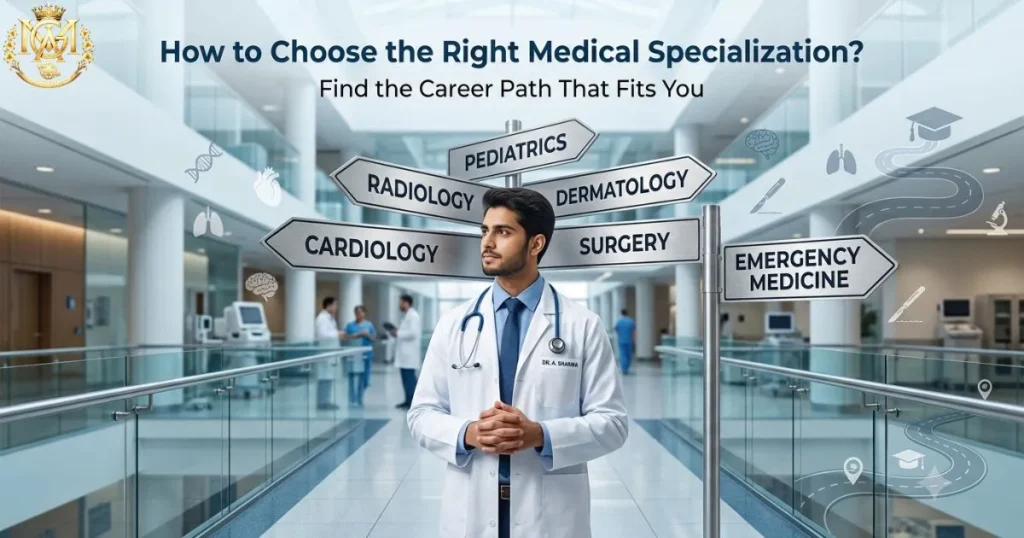
How to Choose the Right Medical Specialization? A Practical Guide for MBBS Doctors

How to Choose the Right Medical Specialization? A Practical Guide for MBBS Doctors Becoming a doctor is a dream that requires years of dedication, discipline, and continuous learning. However, earning an MBBS degree is not the final destination—it’s the beginning of one of the most important decisions in your medical career: choosing the right specialization. Many doctors assume they should select a specialty based on popularity, advice from seniors, or current trends. Others feel pressured by family expectations or the belief that a particular branch offers better opportunities. In reality, choosing a medical specialization is a highly personal decision that should reflect your interests, strengths, clinical experiences, and long-term professional goals. The specialty you choose will shape the patients you care for, the skills you develop, the lifestyle you lead, and the kind of doctor you become. That’s why there is no universal “best” specialization. The right choice is the one that aligns with your personality, passion for medicine, and the impact you want to create throughout your career. This guide will help you understand how to evaluate yourself, learn from your MBBS journey, and make a thoughtful, informed decision that supports both your professional growth and personal satisfaction. Why Choosing the Right Medical Specialization Matters Choosing a medical specialization is much more than selecting your next academic qualification. It is a long-term career decision that influences your daily responsibilities, clinical expertise, work environment, professional relationships, and future opportunities. Every medical specialty demands a unique combination of knowledge, technical skills, decision-making ability, and patient interaction. Some doctors thrive in fast-paced emergency settings, while others prefer building long-term relationships with patients or solving complex diagnostic challenges. Understanding where your interests naturally fit is far more valuable than choosing a specialty simply because it is popular or highly competitive. Medical career advisors often encourage students to view specialization as a process of self-discovery rather than a race to secure a postgraduate seat. During this process, factors such as your clinical experiences, preferred working style, personal values, and long-term career vision become just as important as academic performance. Choosing wisely can lead to greater professional satisfaction, continuous motivation to learn, and a fulfilling career that evolves with your interests over time. Rather than asking, “Which specialty is the best?“, a more meaningful question is: “Which specialty will allow me to become the kind of doctor I want to be?” That simple shift in perspective often leads to a more confident and informed career decision. Start with Self-Assessment Before Choosing a Specialty Before exploring different medical specialties, take time to understand yourself. Self-assessment is one of the most valuable steps in choosing a career path because it helps you identify where your interests, abilities, and professional aspirations naturally align. Rather than focusing on what others recommend, ask yourself what genuinely motivates you during clinical postings, ward rounds, and patient interactions. The answers often provide stronger guidance than rankings, trends, or outside opinions. Doctors who choose a specialty based on self-awareness are generally more likely to remain engaged in lifelong learning and adapt successfully to the demands of their profession. Identify Your Clinical Interests Every MBBS student experiences a variety of clinical rotations, each offering exposure to different patient populations, diseases, and medical procedures. Pay attention to the departments where you felt genuinely interested and eager to learn. Ask yourself: Which clinical posting did you look forward to each day? Which cases kept you curious even after duty hours? Did you enjoy diagnosing complex conditions or performing procedures? Were you more interested in acute care or long-term patient management? Your clinical interests often reveal the type of medicine you are naturally drawn toward. Choosing a specialty that aligns with those interests makes continuous learning more enjoyable throughout your career. Understand Your Strengths and Weaknesses Every doctor has unique strengths, and recognizing them honestly is an important part of choosing the right specialty. Some doctors excel at communicating with patients, while others enjoy analytical thinking, procedural skills, or working under pressure. At the same time, identifying areas where you need improvement helps you make realistic career decisions. Self-awareness isn’t about limiting your options—it’s about understanding where you can perform at your best. Consider questions such as: Do I remain calm during emergencies? Am I comfortable making quick clinical decisions? Do I enjoy detailed analysis and problem-solving? Can I communicate effectively with patients and families? Do I prefer working independently or as part of a multidisciplinary team? There are no right or wrong answers. The goal is to choose a specialty that complements your natural abilities while providing opportunities for continuous growth. The more honestly you assess yourself today, the more confident your career decisions will be tomorrow. Reflect on Your MBBS and Internship Experience One of the biggest advantages of an MBBS program is that it exposes you to multiple medical specialties before you commit to one. Classroom learning provides the theoretical foundation, but it is your clinical postings and internship that reveal what daily medical practice actually looks like. During your internship, you don’t just observe doctors—you become part of patient care. You witness emergencies, ward rounds, outpatient consultations, surgeries, and multidisciplinary discussions. These experiences often teach lessons that no textbook can provide. Instead of asking yourself which specialty sounds most attractive, reflect on the departments where you felt motivated, confident, and eager to learn. Your everyday experiences during MBBS often provide the strongest clues about where you truly belong. Which Clinical Rotations Did You Enjoy Most? Every clinical rotation offers a different perspective on patient care. Some departments demand quick decision-making, while others require detailed analysis, long-term follow-up, or procedural expertise. Think back to your postings and ask yourself: Which department made you excited to attend rounds? Which specialty encouraged you to read more after duty hours? Which consultants or residents inspired you? Which patient cases stayed in your mind long after your shift ended? The departments you naturally gravitated toward often reflect your genuine clinical interests. Even if a posting was challenging,
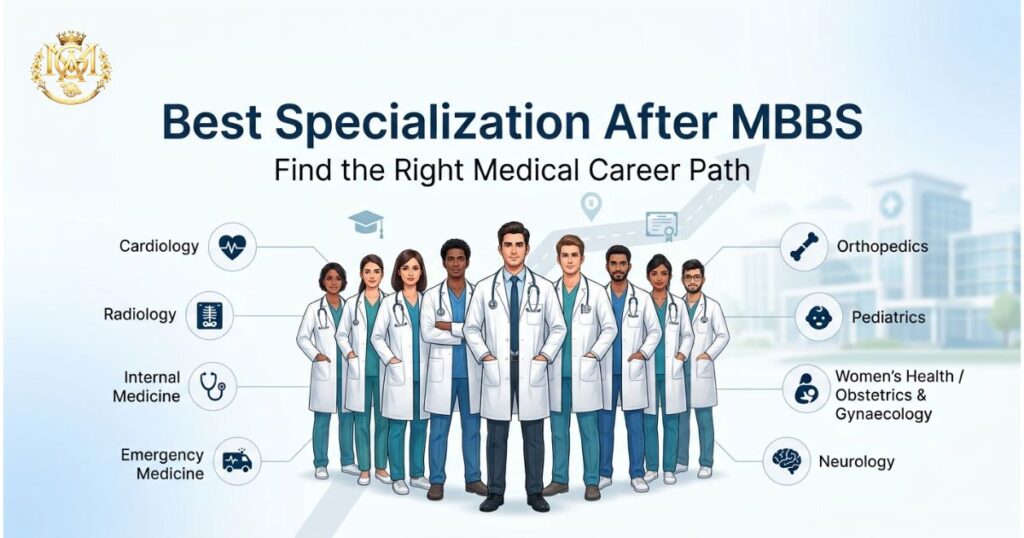
Which Medical Specialization Is Best After MBBS? Career guide comparing medical specialties for doctors.
Learning blogs

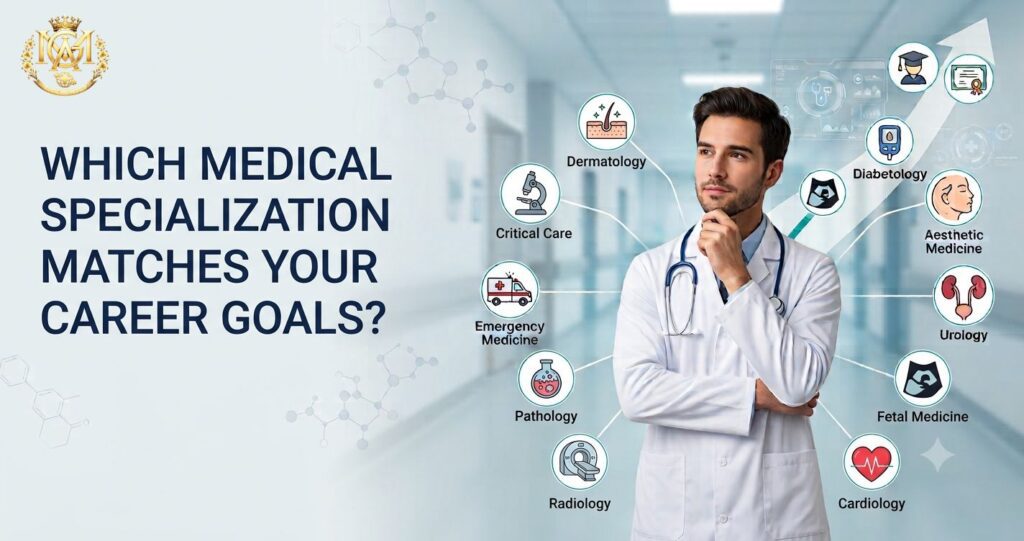
Which Medical Specialization Matches Your Career Goals?

Which Medical Specialization Is Best After MBBS? A Complete Career Guide Completing MBBS is one of the biggest milestones in a doctor’s journey, but it also marks the beginning of an even more important decision—choosing the right medical specialization. While many students enter medical school with a dream of becoming a doctor, few truly understand the day-to-day realities of different specialties until they experience clinical postings and internships. By the time MBBS is complete, questions about career growth, work-life balance, income, future demand, and personal interests naturally become more important than simply earning another degree. The truth is that there is no single “best” medical specialization after MBBS. The right choice depends on the kind of doctor you want to become, the patients you enjoy treating, the clinical environment you prefer, and the professional life you envision for yourself. This guide explores the factors that matter most when choosing a specialty, compares some of the most promising medical fields, and helps you make an informed career decision based on your goals rather than common misconceptions. Why Choosing the Right Medical Specialization Matters Choosing a medical specialization is more than selecting a postgraduate course—it’s choosing the direction of your entire professional career. Every specialty offers different learning experiences, patient interactions, responsibilities, and long-term opportunities. A decision based only on salary or popularity may lead to dissatisfaction later, whereas a choice based on genuine interest and clinical aptitude often results in greater professional fulfillment. As healthcare continues to evolve, specialists with advanced knowledge are increasingly needed across hospitals, diagnostic centres, research institutions, and private practice. Whether your goal is to perform complex procedures, diagnose challenging conditions, manage critically ill patients, or build long-term relationships with patients, the right specialization helps you develop expertise in that area. Career growth is another important consideration. While some specialties offer faster entry into private practice, others provide opportunities in academic medicine, research, super-specialization, and leadership roles within healthcare organizations. Income also varies between specialties, but long-term success depends far more on clinical competence, continuous learning, and patient trust than on the specialty itself. Equally important is lifestyle. Some doctors prefer procedure-based specialties with emergency duties, while others value predictable schedules and outpatient practice. Choosing a specialty that aligns with your personality, interests, and long-term goals can contribute to both professional satisfaction and a sustainable medical career. Factors to Consider Before Choosing a Medical Specialization Choosing a medical specialization is one of the most important career decisions you’ll make after MBBS. While factors such as salary and demand often dominate discussions, research suggests that doctors usually make long-term career decisions based on a combination of personal interests, lifestyle preferences, mentorship, clinical experiences, and future aspirations. Understanding these factors before applying for postgraduate training can help you choose a specialty that remains professionally rewarding throughout your career. 1. Your Clinical Interests The first question to ask yourself is simple: What type of medicine do you genuinely enjoy? During MBBS and internship, every doctor experiences different clinical postings—from medicine and surgery to pediatrics, obstetrics & gynaecology, emergency care, and radiology. These rotations often reveal where your natural interests lie. If you enjoy diagnosing complex medical conditions and managing patients over time, physician-based specialties may suit you. If performing procedures excites you, surgical branches could be a better fit. The specialty you enjoy studying today is often the one you’ll continue learning for the rest of your career. 2. Lifestyle and Work-Life Balance Every medical specialty comes with a different lifestyle. Some require frequent emergency calls, night duties, and unpredictable schedules, while others offer more structured working hours. For example, Emergency Medicine and Critical Care often involve shift-based work and high-pressure decision-making. In contrast, specialties such as Dermatology or Radiology may provide relatively predictable schedules, depending on the workplace. There is no universally “better” lifestyle—it depends on what you value most. Consider whether you prefer a fast-paced environment, regular outpatient practice, academic work, or procedural medicine before making your decision. 3. Career Growth and Future Demand Healthcare is constantly evolving, creating new opportunities for doctors with specialized expertise. Fields such as Cardiology, Radiology, Critical Care, Emergency Medicine, Fetal Medicine, and Diabetology continue to grow due to advances in medical technology, changing disease patterns, and increasing demand for specialized healthcare services. Instead of focusing only on current trends, think about where the specialty is likely to be in the next 10–15 years. Choosing a field with strong long-term demand can provide greater career stability and opportunities for continuous professional development. 4. Learning Style and Clinical Practice Every specialty requires a different way of thinking and working. Ask yourself: Do you enjoy solving diagnostic puzzles? Do you prefer performing procedures and surgeries? Are you comfortable managing critically ill patients? Do you enjoy building long-term relationships with patients? Would you rather interpret investigations than perform operations? Understanding how you like to practice medicine is often more important than choosing a specialty based on popularity alone. 5. Mentorship and Clinical Exposure Many doctors discover their preferred specialty during internship through inspiring mentors and real patient experiences. Working alongside experienced consultants helps you understand not only the academic side of a specialty but also its day-to-day responsibilities, challenges, and rewards. Before making a final decision, try to gain as much clinical exposure as possible. Observe outpatient clinics, operation theatres, emergency departments, and ward rounds whenever opportunities arise. Real-world experience often provides greater clarity than online rankings or salary comparisons. 6. Long-Term Career Satisfaction Finally, ask yourself one important question: Can I see myself practicing this specialty for the next 25 years? Medicine is a lifelong profession. Technologies will change, treatment guidelines will evolve, and healthcare systems will continue to advance. However, genuine interest in your specialty is what keeps you motivated to learn, improve, and provide the best possible care throughout your career. The most successful doctors are rarely those who simply followed the highest-paying specialty—they are the ones who found a field that matched their skills, values, and passion for patient care. Top

Best Specialization After MBBS in India
Learning blogs

Best Specialization After MBBS in India

Best Specialization After MBBS in India (Complete Career Guide) Choosing the best specialization after MBBS is one of the most important career decisions for any medical graduate. While an MBBS degree provides the foundation to practice medicine, specialization allows doctors to develop advanced expertise in a particular field, improve patient outcomes, and build rewarding long-term careers. Today, healthcare is evolving rapidly. Advancements in diagnostic technologies, minimally invasive procedures, precision medicine, and multidisciplinary patient care have increased the demand for highly skilled medical specialists across India. Whether your interest lies in medicine, surgery, diagnostics, emergency care, or advanced clinical procedures, selecting the right specialization can significantly shape your professional journey. However, choosing a specialty should never be based solely on salary or popularity. Factors such as clinical interest, lifestyle preferences, future demand, patient interaction, procedural work, and long-term career goals all play an important role in finding the right path. In this guide, we’ll explore the most popular medical specializations courses after MBBS, compare career opportunities, discuss salary prospects, and help you understand which specialty may be the best fit for your future. What is Medical Specialization After MBBS? Medical specialization is the process of pursuing advanced education and clinical training in a specific branch of medicine after completing MBBS. Instead of practicing general medicine, doctors develop expertise in diagnosing and treating conditions related to a particular organ system, patient population, or medical discipline. Specialization is typically pursued through postgraduate programs such as MD (Doctor of Medicine), MS (Master of Surgery), DNB (Diplomate of National Board), and later through super speciality courses or fellowship programs for further clinical expertise. For example, a doctor interested in heart diseases may specialize in Internal Medicine before pursuing Cardiology, while another doctor passionate about women’s healthcare may choose Obstetrics & Gynaecology. Similarly, those interested in imaging may specialize in Radiology, whereas surgeons may pursue General Surgery, Orthopedics, or ENT. Medical specialization allows doctors to provide focused patient care while building expertise in their chosen field. Why Should You Choose a Specialization After MBBS? Many MBBS graduates ask the same question: “After MBBS, what next?” While practicing as a general physician is one option, specialization opens the door to broader career opportunities and advanced clinical practice. Choosing the right specialization helps doctors: Develop expertise in a specific medical field. Manage complex patient conditions with greater confidence. Improve career opportunities in hospitals and healthcare institutions. Build stronger academic and research profiles. Increase long-term earning potential. Stay aligned with evolving medical technologies and treatment protocols. More importantly, specialization enables doctors to practice the branch of medicine they genuinely enjoy. Whether you prefer surgery, emergency care, diagnostics, preventive medicine, or long-term patient management, selecting the right specialty creates a fulfilling and sustainable medical career. Types of Medical Specializations After MBBS After completing MBBS, doctors can choose from a wide range of medical specialties based on their interests, clinical skills, and long-term career goals. Broadly, these specializations can be divided into three categories. Category Focus Area Examples Clinical Specializations Diagnosis and medical treatment Internal Medicine, Dermatology, Pediatrics Surgical Specializations Operative and procedural care General Surgery, Orthopedics, ENT, Obstetrics & Gynaecology Diagnostic & Imaging Specializations Disease diagnosis and interpretation Radiology, Pathology Each specialization offers unique learning opportunities, patient interactions, and career pathways. Understanding these differences can help you make an informed decision before pursuing postgraduate medical education. Top Medical Specializations After MBBS Every medical specialty has its own scope, challenges, and career opportunities. Rather than asking which specialization is “best,” it’s more useful to understand which field aligns with your interests and future aspirations. Cardiology Cardiology is one of the most sought-after medical specialties, focusing on the prevention, diagnosis, and treatment of heart and blood vessel disorders. With the rising burden of cardiovascular diseases in India, trained cardiologists continue to be in high demand across hospitals and specialty heart institutes. Doctors interested in procedures such as angiography, angioplasty, and advanced cardiac interventions often pursue Interventional Cardiology after postgraduate training. Best for doctors who enjoy: Critical patient care Cardiac procedures Long-term patient management Technology-driven medicine Related Program: Fellowship in Cardiology Radiology Radiology combines medicine with advanced imaging technologies to diagnose and monitor diseases. Modern radiologists work closely with almost every medical department by interpreting X-rays, CT scans, MRI, ultrasound, and other imaging studies. The field has expanded significantly with the growth of Interventional Radiology, where specialists perform minimally invasive procedures using image guidance. Best for doctors who enjoy: Diagnostic medicine Medical imaging Technology Precision-based decision making Related Program: Fellowship in Radiology Dermatology Dermatology focuses on diseases affecting the skin, hair, and nails. In addition to managing medical skin conditions, dermatologists are increasingly involved in aesthetic medicine, cosmetic dermatology, and laser-based procedures. Growing awareness of skin health has made dermatology one of the most competitive and rewarding specialties after MBBS. Best for doctors who enjoy: Outpatient practice Cosmetic procedures Long-term patient care Lifestyle-friendly practice Related Program: Fellowship in Dermatology Emergency Medicine Emergency Medicine is designed for doctors who thrive in fast-paced clinical environments. Specialists manage trauma cases, cardiac emergencies, poisoning, stroke, and other life-threatening conditions that require immediate intervention. Strong decision-making skills, teamwork, and the ability to remain calm under pressure are essential for this specialty. Best for doctors who enjoy: Acute patient care Fast clinical decisions Trauma management Emergency procedures Related Program: Fellowship in Emergency Medicine Critical Care Medicine Critical Care specialists manage seriously ill patients admitted to Intensive Care Units (ICUs). They work with ventilators, advanced monitoring systems, organ support therapies, and multidisciplinary teams to provide comprehensive care for critically ill patients. As tertiary care hospitals continue to expand, the demand for Critical Care specialists is steadily increasing. Best for doctors who enjoy: ICU practice Advanced monitoring Multidisciplinary teamwork Managing complex medical cases Related Program: Fellowship in Critical Care Obstetrics & Gynaecology Obstetrics & Gynaecology is one of the most diverse specialties in medicine, combining medical management, surgery, reproductive health, and preventive women’s healthcare. The field now extends beyond pregnancy and childbirth into subspecialties such as infertility management, fetal medicine,

Best Gynecology Courses After MBBS in India (2026)
Learning blogs

Best Gynecology Courses After MBBS in India (2026)

Advance Your Career in Obstetrics & Gynaecology with the Right Fellowship Program Choosing a career in Obstetrics & Gynaecology (OB-GYN) is more than selecting a medical specialty—it is committing to women’s healthcare across every stage of life. From adolescent health and reproductive medicine to pregnancy, childbirth, menopause, gynecologic oncology, and minimally invasive surgery, the specialty continues to evolve with new technologies and advanced treatment approaches. As healthcare becomes increasingly specialized, many doctors choose to continue their education after MBBS or postgraduate training through gynecologist courses, fellowship programs, and advanced clinical education. These programs help doctors strengthen their practical skills, gain expertise in a focused area of women’s health, and stay updated with modern clinical practices. Whether you are exploring a fellowship in Obstetrics & Gynaecology, looking for advanced training in infertility, fetal medicine, gynecologic oncology, or minimally invasive gynecologic surgery, choosing the right course can significantly influence your clinical practice and long-term career growth. This guide explains the different gynecology courses available after MBBS, how to select the right specialization, and which fellowship pathway may best support your professional goals. Why Choose Gynecology Courses After MBBS Obstetrics & Gynaecology remains one of the most dynamic and rewarding specialties in medicine because it combines preventive care, emergency medicine, surgery, reproductive health, and long-term patient management within a single discipline. Every stage of a woman’s life presents unique healthcare needs, giving gynecologists the opportunity to provide continuous care—from adolescence and family planning to pregnancy, menopause, and beyond. The specialty has also experienced remarkable growth over the last decade. Advances in reproductive medicine, assisted reproductive technology (ART), fetal imaging, robotic surgery, laparoscopic procedures, prenatal diagnostics, and women’s cancer care have transformed the way modern gynecologists diagnose and treat patients. This rapid evolution has created a growing demand for doctors with advanced clinical expertise rather than general training alone. Hospitals, fertility centres, maternal-fetal medicine units, oncology centres, and corporate healthcare institutions increasingly seek specialists who have pursued focused training beyond conventional medical education. For many doctors, continuing education is no longer optional—it has become an important step in delivering evidence-based care while remaining competitive in today’s healthcare environment. Why Are Fellowship Programs Becoming More Important? Completing MBBS provides the foundation for medical practice, but clinical learning does not end there. Modern medicine evolves continuously, introducing new surgical techniques, diagnostic technologies, treatment protocols, and patient care standards. Fellowship programs help doctors bridge the gap between postgraduate education and advanced clinical practice by providing focused training in a specific area of expertise. Unlike broad academic programs, fellowships are designed to strengthen practical knowledge, clinical decision-making, procedural skills, and exposure to complex patient cases. Doctors work under experienced faculty, learn current evidence-based practices, and gain confidence in managing specialty-specific conditions. Depending on individual career goals, fellowship training may help doctors: Develop expertise in a chosen subspecialty of Obstetrics & Gynaecology. Improve clinical and procedural skills through focused learning. Gain exposure to modern technologies used in women’s healthcare. Enhance career opportunities in hospitals, fertility centres, and academic institutions. Continue professional development while adapting to changing healthcare practices. Rather than viewing a fellowship as simply another qualification, many doctors consider it an investment in long-term clinical excellence. Fellowship, DGO, CGO or MS Obstetrics & Gynaecology: Which Path Should You Choose? Doctors often come across multiple qualifications while exploring gynecology courses, including DGO (Diploma in Obstetrics & Gynaecology), CGO, postgraduate degrees, and fellowship programs. Understanding the purpose of each pathway makes it easier to choose the option that aligns with your professional objectives. Qualification Focus Suitable For MS/DNB Obstetrics & Gynaecology Comprehensive postgraduate specialization Doctors planning full specialist training DGO (Diploma in Obstetrics & Gynaecology) Postgraduate diploma in women’s health Doctors seeking structured diploma-based education CGO Foundational gynecology training Healthcare professionals based on program eligibility Fellowship in Obstetrics & Gynaecology Advanced clinical training in focused subspecialties Doctors who want to build expertise in a particular area of women’s healthcare Each pathway serves a different purpose. While postgraduate programs provide comprehensive specialist education, fellowship programs allow doctors to deepen their knowledge in highly focused areas such as reproductive medicine, fetal medicine, gynecologic oncology, minimally invasive surgery, infertility management, and advanced obstetric care. The right choice depends on your current qualifications, professional interests, career aspirations, and the type of clinical practice you wish to build. How Has Modern Gynecology Changed? Today’s gynecologist is no longer limited to routine antenatal care and childbirth. The specialty now includes numerous advanced disciplines that require dedicated clinical expertise. Doctors may choose to focus on: Reproductive Medicine Infertility Management Maternal & Fetal Medicine High-Risk Pregnancy Gynecologic Oncology Clinical Embryology Cosmetic Gynecology Urogynecology Gynae Endoscopy Fetal Echocardiography Advanced Minimally Invasive Gynecologic Surgery Each subspecialty addresses different patient populations, clinical challenges, and procedural skills. As a result, fellowship training has become an increasingly valuable pathway for doctors who want to deliver specialized care while expanding their professional opportunities. In the following section, we’ll explore these fellowship pathways in detail and explain how each specialization contributes to modern women’s healthcare. You’ll also learn which Medical Global Academy fellowship programs align with different career interests, helping you choose the pathway that best supports your future in Obstetrics & Gynaecology. Best Fellowship Courses in Obstetrics & Gynaecology After MBBS Obstetrics & Gynaecology has expanded into multiple subspecialties, each addressing different aspects of women’s healthcare. While some doctors develop expertise in reproductive medicine and infertility, others focus on maternal-fetal medicine, minimally invasive surgery, gynecologic oncology, or advanced diagnostic procedures. Choosing the right fellowship depends on the type of patients you want to treat, the clinical environment you enjoy, and the career you envision for yourself. Instead of asking, “Which fellowship is the best?”, ask yourself: “Which area of women’s healthcare am I most passionate about?” The following fellowship pathways provide advanced clinical exposure and help doctors build expertise in specific areas of Obstetrics & Gynaecology. Reproductive Medicine & Fertility Infertility has become one of the fastest-growing areas within women’s healthcare. Changing lifestyles, delayed pregnancies, endocrine disorders, and reproductive health challenges have increased

infographic: best courses after mbbs without neet pg with salary and scope 2026
Learning blogs

Best Courses After MBBS Without NEET PG in 2026: Salary, Scope, Eligibility & Career Opportunities

Completing MBBS is a significant milestone, but for many doctors, NEET PG is not the only career option.With rising competition, a limited number of postgraduate seats, and changing opportunities in the healthcare sector, many MBBS graduates are now exploring courses after MBBS without NEET PG.  These alternative pathways can help them gain specialization, grow their careers, and increase their earning potential without spending years waiting for a postgraduate seat. The good news is that NEET PG is not the only path to success. Today, doctors can choose internationally recognized qualifications such as MRCP, MRCOG, and MRCEM, along with specialized fellowship programs, public health degrees, clinical research certifications, and healthcare management programs. These options help doctors build practical expertise, expand career opportunities, and explore professional growth in both India and abroad. Healthcare hiring trends now show a growing demand for doctors with specialized clinical skills, advanced certifications, and focused expertise instead of depending only on traditional degree pathways. The most important step is choosing the option that matches your career goals. This guide covers the best courses after MBBS without NEET PG, including eligibility, career scope, future demand, salary potential, and the best options for different career aspirations. Why Are Doctors Looking for Alternatives to NEET PG? Every year, thousands of MBBS graduates compete for a limited number of postgraduate seats. While NEET PG remains a great option, many doctors choose alternative pathways because they provide: Faster specialization opportunities Hands-on clinical exposure Earlier career growth International career opportunities Greater flexibility in career planning Opportunities in emerging healthcare sectors For many doctors, waiting several years for postgraduate admission does not fit their personal or professional goals. Because of this, fellowship programs and international qualifications have become more popular. What Is the Best Course After MBBS Without NEET PG? There is no one best course that fits every doctor. The right choice depends on your career goals: Want Internal Medicine? → MRCP Interested in Women’s Health? → MRCOG Looking for Emergency Medicine? → MRCEM Planning to work in ICU Practice? → Critical Care Fellowship Interested in Healthcare Leadership? → Hospital Administration Want a Career in Research? → Clinical Research Planning a Career in Public Health? → MPH Instead of asking which course is the best overall, ask which course is the best fit for the future you want. Quick Comparison of Top Courses After MBBS Without NEET PG Course Duration Career Focus Future Scope MRCP 1–3 Years Internal Medicine Excellent MRCOG 2–4 Years Obstetrics & Gynecology Excellent MRCEM 2–3 Years Emergency Medicine Excellent Critical Care Fellowship 1–2 Years ICU Medicine High Emergency Medicine Fellowship 1–2 Years Acute Care High Diabetology Fellowship 1 Year Lifestyle Diseases High MPH 1–2 Years Public Health Growing Clinical Research 6–12 Months Research & Pharma Growing Hospital Administration 1–2 Years Healthcare Management Growing Medical Writing 3–12 Months Medical Communication Growing Top Clinical Courses After MBBS Without NEET PG MRCP (Membership of the Royal Colleges of Physicians) MRCP is one of the most respected international qualifications for doctors who want to specialize in Internal Medicine. It has global recognition and helps physicians develop strong specialist knowledge. Best For Doctors who want to build a career in Internal Medicine and explore international career opportunities. Key Benefits International recognition Strong clinical foundation Advanced specialist medical knowledge Career flexibility across healthcare systems. Career Opportunities Physician Internal Medicine Specialist Consultant Positions Academic Medicine Future Scope Internal Medicine remains one of the most in-demand specialties across the world. Hospitals and healthcare systems consistently look for doctors with advanced medicine expertise. MRCOG (Membership of the Royal College of Obstetricians and Gynaecologists) MRCOG is for doctors who want to build a career in Obstetrics and Gynecology. Best For Doctors who are passionate about women’s healthcare. Key Benefits Globally recognised qualification Clear and structured specialist development High demand across healthcare systems Career Opportunities Obstetrician Gynecologist Women’s Health Specialist Academic & Research Roles Future Scope Growing awareness of maternal health and women’s healthcare continues to increase the demand for specialists in this field. MRCEM (Membership of the Royal College of Emergency Medicine) Emergency Medicine has become one of the fastest-growing medical specialties across the world. Best For Doctors who thrive in fast-paced environments and enjoy acute patient care. Key Benefits Practical emergency care expertise Strong clinical exposure Global recognition Career Opportunities Emergency Physician Trauma Specialist Emergency Department Leadership Roles Future Scope Emergency departments remain critical to modern healthcare systems and ensure long-term demand for qualified professionals. Fellowship in Critical Care Medicine Critical Care specialists manage some of the most complex and critically ill patients. Key Skills Developed ICU Management Ventilator Support Organ Support Systems Advanced Monitoring Career Opportunities ICU Physician Critical Care Consultant Critical Care Specialist Future Demand The growth of critical care facilities continues to increase demand for trained professionals. Fellowship in Emergency Medicine Emergency Medicine fellowships focus on hands-on clinical training and acute patient care. Career Opportunities Emergency Departments Trauma Centers Multi-specialty Hospitals Why It Matters Hospitals increasingly look for doctors with focused expertise in emergency care and strong procedural skills. Fellowship in Diabetology Lifestyle diseases keep rising worldwide and increase the need for specialists in diabetes management. Career Opportunities Diabetologist Lifestyle Disease Specialist Preventive Health Consultant Future Scope The rising number of diabetes cases keeps this highly relevant in the long run. Best Non-Clinical Courses After MBBS Not every doctor wants to stay in direct patient care. Several non-clinical careers offer strong growth opportunities while using medical knowledge. Clinical Research Clinical research helps develop medicines, devices, and treatment protocols. Career Opportunities Clinical Research Associate Medical Reviewer Research Coordinator Pharmaceutical Industry Professional Why Choose Clinical Research? Pharmaceutical and biotechnology sectors keep expanding rapidly. Master of Public Health (MPH) The MPH focuses on healthcare systems, epidemiology, disease prevention, and public health policy. Career Opportunities Public Health Specialist Epidemiologist Health Policy Advisor Global Health Professional Future Scope Public health has grown more important in healthcare planning and policy development. Hospital Administration Hospital Administration brings together medicine, management, and leadership. Career Opportunities Hospital Administrator Operations Manager Healthcare Consultant Quality

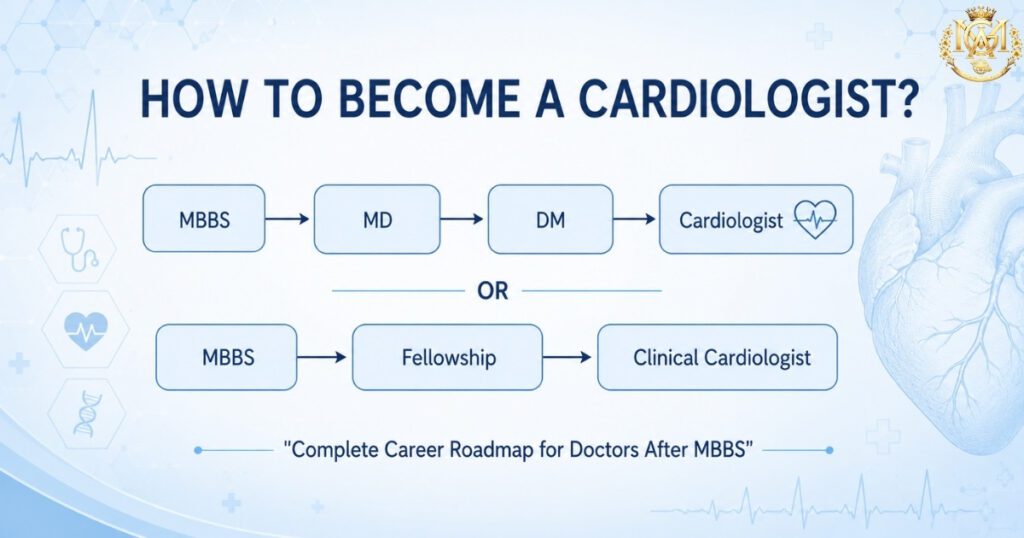
Flowchart showing step-by-step career path how to become a cardiologist after MBBS, including MBBS to MD to DM pathway and MBBS to fellowship route leading to clinical cardiologist career
Learning blogs

How To Become A Cardiologist In India: Complete Career Path After MBBS

Many doctors interested in cardiovascular medicine often ask a common question: how to become a cardiologist in India? Doctors can follow a traditional super-specialization path (MBBS → MD → DM Cardiology), or they can choose a more practical, skill-focused path through structured clinical cardiology training. Heart disease, hypertension, heart failure, and acute coronary syndromes are increasing, so cardiology skills have become essential in both hospital and OPD practice. This guide explains the full cardiologist career roadmap, cardiologist course duration, key clinical skills, and career opportunities in India. Quick Overview of Cardiologist Career Path If you want a quick overview of how to become a cardiologist, the journey usually includes the following: Complete MBBS degree Pursue MD in General Medicine Complete DM in Cardiology Gain advanced clinical experience Build expertise in cardiovascular medicine Alongside this, many doctors also choose a Fellowship in Clinical Cardiology to build practical cardiology skills focused on real-world patient management. What Does A Cardiologist Do? A cardiologist is a medical doctor who diagnoses, treats, and prevents diseases of the heart and blood vessels. Common conditions managed include: Coronary artery disease Acute coronary syndrome (ACS) Hypertension Heart failure Arrhythmias Valvular heart disease Preventive cardiology conditions Beyond diagnosis, cardiologists interpret ECGs, evaluate cardiac tests, assess cardiovascular risk, and manage emergency and chronic heart conditions. Why Cardiology Skills Matter Today Cardiovascular diseases rank among the top causes of hospital admissions and deaths worldwide. Doctors in emergency rooms, ICUs, and OPDs often see patients with: Chest pain Breathlessness Palpitations Syncope Uncontrolled hypertension Heart failure symptoms Real Clinical Scenario A patient shows mild chest discomfort and borderline ECG changes. At first, the symptoms look non-specific. But subtle signs can point to an evolving Acute Coronary Syndrome (ACS). If doctors miss early ECG changes or risk indicators, treatment may get delayed and outcomes can become worse. This is why cardiology training strongly focuses on: ECG interpretation ACS recognition Risk stratification Hypertension management Heart failure assessment Arrhythmia identification These skills directly boost clinical confidence and improve patient outcomes in daily practice. Step 1: Complete MBBS To become a cardiologist, the first step is to complete MBBS from a recognized medical college. MBBS Duration 4.5 years academic training 1 year compulsory internship Total: 5.5 years During internship, doctors get exposure to emergency medicine, internal medicine, ICU care, and cardiovascular cases. Step 2: Pursue MD General Medicine After MBBS, most doctors choose MD General Medicine as their foundational postgraduate degree. MD General Medicine Duration 3 years Core Training Includes: Managing hypertension Diabetes mellitus Heart failure Acute coronary syndrome Respiratory and systemic diseases At this stage, doctors build strong clinical reasoning and prepare for advanced cardiology training. Step 3: Pursue DM Cardiology Doctors can pursue DM Cardiology after completing MD General Medicine. DM Cardiology Duration 3 years Training Includes: Advanced ECG interpretation Echocardiography Coronary artery disease management Exposure to cardiac catheterization Arrhythmia management Interventional cardiology training Advanced cardiac diagnostics DM Cardiology is the traditional super-specialization route for becoming a cardiologist. Alternative Pathway: Fellowship In Clinical Cardiology Not every doctor chooses the DM route right away. Many physicians want to build practical cardiology skills to manage cardiac patients in OPD, emergency, and hospital settings with more confidence. A structured Fellowship in Clinical Cardiology in India focuses on applied clinical training and real-world decision-making. Doctors who look for a cardiology course after MBBS often pick fellowship-based programs to build early clinical skills. Fellowship Training Covers: ECG interpretation Acute coronary syndrome management Hypertension management Heart failure care Arrhythmia assessment Preventive cardiology Cardiovascular risk evaluation Why Doctors Choose Fellowship: Physicians often select fellowship programs to gain structured, practical cardiology exposure focused on daily patient care and clinical decision-making. DM Cardiology vs Fellowship In Cardiology Feature DM Cardiology Fellowship In Cardiology Eligibility After MD Medicine After MBBS / Eligible Doctors Duration 3 Years ~1 Year Focus Super-specialization Practical clinical cardiology Learning Style Advanced specialty training Applied clinical learning Outcome Specialist cardiologist Strong clinical competence What Skills Do Cardiologists Use Every Day? Modern cardiology practice relies heavily on practical clinical skills: ECG Interpretation We identify ischemia, arrhythmias, conduction abnormalities, and emergency patterns. ACS Recognition Detect acute coronary syndrome early and initiate timely treatment. Hypertension Management Assess risk and plan long-term blood pressure control strategies. Heart Failure Management Diagnose, monitor, and optimize treatment. Arrhythmia Assessment Find rhythm disorders and decide how urgent treatment is needed. Preventive Cardiology Early intervention and lifestyle changes reduce cardiovascular risk. These skills form the foundation of effective cardiovascular care. Cardiologist Course Duration: Complete Timeline Traditional Pathway Stage Duration MBBS 5.5 years MD General Medicine 3 years DM Cardiology 3 years Total: ~11.5 years Fellowship Pathway Stage Duration MBBS 5.5 years Fellowship in Clinical Cardiology ~1 year This pathway allows earlier exposure to practical cardiology training. Career Opportunities In Cardiology Cardiology provides multiple career paths: Hospital Practice You work in cardiology units, ICUs, emergency departments, and multispecialty hospitals. OPD Practice Treat chronic and acute cardiovascular diseases. Clinical Practice Enhancement Enhance cardiovascular care in general medicine practice. Academic Medicine Teaching, training, and clinical education roles. Preventive Cardiology Focus on reducing long-term cardiovascular risk. Doctors interested in long-term growth can also explore Cardiology Career Scope. Is Cardiology A Good Career Choice? Cardiology is one of the most demanding clinical fields in medicine and continues to evolve every day. Rising cases of: Coronary artery disease Hypertension Diabetes Heart failure Lifestyle-related disorders Cardiology expertise plays a highly relevant role in modern healthcare. For doctors who enjoy clinical decision-making, emergency care, ECG interpretation, and patient management, cardiology offers strong long-term career growth. Frequently Asked Questions Can I become a cardiologist after MBBS? Yes. The standard path is MBBS → MD in General Medicine → DM in Cardiology. Alternatively, doctors can improve their skills through fellowship programs. How many years does it take to become a cardiologist? Approximately 11.5 years via the traditional route. Is DM Cardiology mandatory? Fellowship programs and clinical cardiology courses help doctors build strong practical skills. What is the best cardiology course after MBBS? It depends on career goals. Many doctors

cardiology courses after mbbs showing career pathways including fellowship in clinical cardiology, certificate courses, and DM cardiology options for doctors
Learning blogs

Cardiology Courses After MBBS: Best Cardiology Courses, Eligibility, Duration & Career Scope

Choosing the right specialization after MBBS shapes your entire medical career. Among all available options, cardiology courses after MBBS stand out as one of the most popular choices because cardiovascular diseases remain a major healthcare challenge across the world.  Many doctors choose cardiology courses to improve clinical skills, strengthen patient management, and build strong expertise in cardiovascular medicine.  Whether you plan a fellowship, certificate course, online training, or a super-specialty pathway, a clear understanding of all available options helps you choose the right career direction with confidence.  Quick Answer The most common cardiology courses after MBBS include Fellowship in Clinical Cardiology, Certificate Courses in Cardiology, Online Cardiology Programs, and the MD General Medicine + DM Cardiology pathway. The best option depends on your career goals, clinical exposure needs, and desired level of specialization. For doctors who want structured cardiovascular training, real-world clinical exposure, and practical patient management skills, a Fellowship in Clinical Cardiology is often considered the most balanced option after MBBS. Why Choose Cardiology After MBBS? Cardiovascular diseases are among the most commonly seen conditions in medical practice. Doctors regularly manage patients with: Hypertension Acute Coronary Syndrome (ACS) Heart Failure Arrhythmias Coronary Artery Disease Preventive Cardiology needs As heart disease continues to rise, healthcare institutions need doctors with strong cardiovascular knowledge and strong clinical decision-making abilities. Benefits of cardiology training include: Better management of patients Improved skills in ECG interpretation Stronger confidence in clinical practice Improved emergency care skills Expanded career opportunities Ongoing professional development  This is why many MBBS graduates choose cardiology as their next step in specialization. Cardiology Career Path After MBBS Many doctors often wonder:  “How can I build a career in cardiology after MBBS?“ You can choose from multiple pathways based on your professional goals. Pathway 1: Fellowship Route MBBS ↓ Clinical Practice ↓ Fellowship in Clinical Cardiology ↓ Advanced Cardiology Skills ↓ Enhanced Clinical Practice This pathway suits doctors who want structured cardiovascular training and practical clinical expertise. Related Reading: How To Become A Cardiologist Pathway 2: Certificate Course Route MBBS ↓ Certificate Course in Cardiology ↓ Skill Enhancement ↓ Improved Clinical Practice This option suits doctors who want focused training in selected areas of cardiac care. Pathway 3: Super-Specialty Route MBBS ↓ MD General Medicine ↓ DM Cardiology ↓ Consultant Cardiologist Doctors who aim to become specialist cardiologists follow this traditional pathway. What Are Cardiology Courses After MBBS? Cardiology courses after MBBS provide specialized training that helps doctors build knowledge and practical skills in cardiovascular medicine. These programs usually include: ECG interpretation Acute Coronary Syndrome Hypertension management Heart failure management Arrhythmia recognition Preventive cardiology Cardiac emergencies Clinical decision-making Training levels change based on the selected course. Types of Cardiology Courses After MBBS Doctors can select from several cardiology training pathways based on their learning needs and career goals. 1. Fellowship in Clinical Cardiology A Fellowship in Clinical Cardiology is one of the most complete and clinically focused cardiology courses you can pursue after MBBS. Key Features Structured cardiology curriculum Specialist mentorship Advanced ECG training Clinical case discussions Practical patient management Flexible learning options Ideal For MBBS graduates General physicians Practicing doctors Doctors interested in cardiovascular medicine Why Choose This Option? Unlike short-term programs, fellowship training usually provides wider clinical exposure and deeper cardiovascular learning. Related Reading: Fellowship in Clinical Cardiology 2. Certificate Courses in Cardiology Certificate courses mainly focus on specific areas of cardiac care. Common Topics Interpreting ECG Managing hypertension Handling cardiac emergencies Practicing preventive cardiology Ideal For Doctors want short-term learning and focused skill development. 3. Online Cardiology Courses Online cardiology programs let doctors keep learning while they continue their clinical practice. Benefits Enjoy flexible schedules Access recorded lectures anytime Join live expert sessions Learn from anywhere without location limits  4. MD General Medicine + DM Cardiology This is the traditional specialist route. Advantages Complete specialist training program Hands-on exposure to advanced procedures Opportunities for research work Clear academic career paths Considerations Clear highly competitive entrance exams Training takes a longer duration Commit to multiple years of training Which Cardiology Course Is Best After MBBS? The best cardiology course depends on your professional goals. If You Want Basic Skill Enhancement A certificate course may be a good option. If You Need Flexible Learning An online cardiology course can be the right choice. If You Want Structured Clinical Cardiology Training Many doctors prefer a Fellowship in Clinical Cardiology because it combines mentorship, practical learning, and comprehensive cardiovascular education. If you want to become a specialist cardiologist. The MD General Medicine followed by DM Cardiology pathway remains the traditional super-specialty route. Many practicing doctors choose fellowship training because it offers a balance between advanced learning and practical application. Related Reading: Fellowship In Cardiology In India Clinical Cardiology Training: What Will You Learn? A quality clinical cardiology training program should focus on real patient care in real-world settings and on evidence-based practice. ECG Interpretation Doctors learn to identify: Heart rhythm problems (arrhythmias) Reduced blood flow changes (ischemic changes) Electrical conduction problems (conduction abnormalities) Heart attack patterns (myocardial infarction patterns) Acute Coronary Syndrome (ACS) Training covers: Identify early Assess risk Start initial management strategies Hypertension Management Topics include: Stratify risk Plan treatment Do long-term follow-up Heart Failure Doctors learn: Diagnosis Classification Evidence-based management approaches Arrhythmias Training focuses on: Rhythm recognition ECG-based diagnosis approach Application of management principles Preventive Cardiology Key areas include: Lifestyle modification Risk reduction Long-term cardiovascular prevention Quick Comparison of Cardiology Courses After MBBS Course Type Eligibility Duration Training Depth Primary Goal Fellowship in Clinical Cardiology MBBS Usually 1 Year High Advanced Clinical Training Certificate Course in Cardiology MBBS Few Weeks to Months Moderate Skill Enhancement Online Cardiology Course MBBS Varies Moderate Flexible Learning MD General Medicine + DM Cardiology MBBS Several Years Very High Specialist Cardiologist For more details on training timelines, check Cardiologist Course Duration. Cardiology Course Comparison Factor Fellowship in Clinical Cardiology Certificate Course Online Course DM Cardiology Eligibility MBBS MBBS MBBS MD Medicine Clinical Exposure High Limited Moderate Very High Mentorship Strong Limited Varies Extensive Curriculum Coverage Comprehensive

fellowship vs pg diploma after mbbs in India comparison showing post MBBS career options, clinical training in hospitals, and academic medical education path for doctors
Learning blogs

Fellowship vs PG Diploma After MBBS in India

After MBBS in India, doctors often face a confusing choice between post MBBS fellowship courses and PG diploma programs. Fellowships focus on hands-on, real hospital clinical training, helping doctors build practical skills and confidence quickly. PG diplomas offer a more structured academic approach, combining theory with supervised clinical exposure. Simply put, you choose between fast clinical experience and structured academic growth, and this choice can shape your medical career in India. The right choice depends on whether you want early hospital-based clinical experience or long-term academic career growth and stability.  Introduction: The Real Decision Every MBBS Doctor Faces After completing MBBS in India, most doctors face an important and often confusing question: Should I Choose a Fellowship or a PG Diploma? This is not just an academic comparison. It is a career-changing decision that affects: Clinical confidence in hospital settings Career opportunities across India Steady income growth A clear path for long-term specialization Simple breakdown: Fellowship = Skill-focused, hospital-based clinical training PG Diploma = Structured, university-based academic training  Both are valid in India, but each one supports a different healthcare career path within real hospital settings. If you want a complete overview of all options after MBBS, explore our detailed guide on courses after MBBS in India. For doctors who want to skip the NEET PG route altogether, our dedicated guide on courses after MBBS without NEET PG covers fellowships, PG diplomas, and international qualifications like MRCP and MRCOG in detail. 1. What is Fellowship After MBBS? A fellowship after MBBS is a short-term advanced clinical training program that helps doctors build strong hands-on skills in a specific specialty through supervised training and real hospital experience. It is ideal for doctors who want hands-on patient management experience and want to build clinical confidence quickly. Many doctors prefer post mbbs fellowship courses because they offer fast clinical exposure in hospitals. You can also explore detailed specialization paths through different fellowship programs after MBBS. Key Features: Duration: 6 months to 2 years Training Style: Complete hospital-based, hands-on training Focus: Clinical decision-making, procedures, and patient management Exposure: ICU, emergency department, OPD, and inpatient care Learning Type: Real-time hospital practice under expert supervision Popular Fellowship Areas: Emergency Medicine Critical Care Cardiology Internal Medicine Pediatrics Dermatology India Hospital Reality Insight In Indian hospitals, especially in private and corporate setups, fellowship-trained doctors actively take part in: ICU patient management under senior doctors Emergency duty rotations with real-time decision making Specialty OPD evaluations and patient follow-ups This makes fellowship a fast-track path for building clinical skills inside real Indian hospital systems. 2. What is a PG Diploma After MBBS? A PG Diploma after MBBS is a structured academic program that focuses on theoretical medical education and limited clinical exposure under a formal university curriculum. It follows a regulated, exam-based medical training system with defined academic progression standards. Key Features: Duration: 1 – 2 years Training Style: You learn through theory and structured clinical exposure Focus: You study medical concepts and academic specialization Evaluation: You go through exams, assessments, and curriculum-based progression Common PG Diploma Courses: PG Diploma in Diabetology PG Diploma in Child Health PG Diploma in Anesthesia PG Diploma in Obstetrics & Gynecology PG Diploma in Clinical Pathology India Academic Reality Insight  Doctors usually choose a PG Diploma when they aim for: Structured academic progression Career pathways in government hospitals Medical roles in teaching or institutional settings A stable and predictable long-term career structure 3. Fellowship vs PG Diploma: Complete High-Authority Comparison 1. Skill Focus vs Academic Focus Fellowship: Focuses strongly on real-world clinical skills and patient management. PG Diploma: Focuses strongly on theoretical knowledge and academic learning.  2. Short Duration vs Long Duration Fellowship: Short duration (6 months to 2 years) PG Diploma: Longer duration (1 to 2 years)  3. Practical vs Theory and Practical Fellowship: Primarily hands-on training in a hospital setting PG Diploma: Balanced theory with structured clinical exposure 4. Hospital Exposure Level Fellowship: High exposure in ICU, emergency, OPD, and inpatient care PG Diploma: Moderate exposure with a focus on academics 5. Career Direction Fellowship: Quickly move into hospital-based clinical roles. PG Diploma: Structured institutional and academic career growth 6. Recognition in India  Fellowship: Clinical training programs in hospitals or institutes PG Diploma: Academic qualification linked to a university Both are valid in India, but they play different roles in the healthcare system and follow different career pathways. 4. Which is Better After MBBS? There is no single best option for everyone. The right choice fully depends on your career goals. Go for Fellowship after MBBS if: You want to build clinical skills fast in real hospital settings You want to start hospital practice early You prefer ICU, emergency, or hands-on patient care You want to earn faster through clinical exposure Example: Indian hospitals highly demand Emergency Medicine and Critical Care fellowships because of ICU and emergency workload.  Choosing between post mbbs fellowship courses and PG Diploma depends on your career goals. If you’re still confused about overall career options after MBBS, check the complete career guide. Choose a PG Diploma after MBBS if: You want structured and academic medical learning You aim for government or institutional healthcare jobs You prefer a structured, exam-based career growth path You want long-term stability in academics and teaching  Simple Decision Rule: Fast clinical exposure and hospital job → Fellowship Structured academic path and long-term stability → PG Diploma  5. Salary After Fellowship vs PG Diploma in India  Salary does not depend only on qualification. It depends on: Clinical skills Specialty demand Type of hospital (private or government) City location Level of experience Fellowship Salary Range: Starting salary ranges from ₹40,000 to ₹1,50,000 per month. High-demand fields like ICU, Emergency, and Cardiology offer higher earning potential. Growth happens faster in private hospitals because they demand strong skills. PG Diploma Salary Range: Starting salary: ₹35,000–₹90,000 per month Government hospitals offer a stable and structured pay system Growth happens gradually based on experience Reality of India’s Job Market: Metro cities give higher salaries but also bring strong

highest paying jobs after MBBS in India including doctor salary comparison chart 2026
Learning blogs

Jobs After MBBS and Salary in India (2026) Complete High Income Guide

Looking for the highest paying jobs after MBBS in India? Top career options include Super Specialist (DM/MCh), Specialist Doctor (MD/MS), ICU Doctor, Emergency Medicine Doctor, and Private Practitioner. Salaries range from ₹40,000/month to ₹10,00,000+/month based on your specialization, experience, hospital type, and location. Introduction  After completing MBBS, every doctor in India faces an important career decision: Which job after MBBS offers the highest salary and the fastest income growth? In India’s healthcare system, MBBS is the basic qualification for clinical practice. Hospital hiring trends and medical career growth show that higher income strongly depends on specialization (MD/MS, Fellowship) and years of experience. This article covers only: ✔ Highest-Paying Jobs After MBBS ✔ Actual Salary Structure in India ✔ Fastest Career Paths for Income Growth Key Takeaways Super Specialists earn the highest salaries after MBBS MD/MS greatly increases income potential Private practice offers long-term earning scalability ICU and Emergency Medicine are high-paying hospital roles Specialization is the fastest path to income growth Highest Paying Jobs After MBBS 1. Super Specialist (DM / MCh) ₹3,00,000 to ₹10,00,000+ per month Top-level super-specialization in medicine Works in corporate and advanced hospitals Needs an MD/MS before admission ✔ Highest income potential in India ✔ Top-level medical career path ✔ High demand in metro hospitals 2. Specialist Doctor (MD / MS)  ₹2,00,000 – ₹6,00,000 per month Cardiology, Dermatology, Neurology, Pediatrics, and more. Strong demand in both government and private hospitals. ✔ Stable and high-income career ✔ Strong long-term career growth ✔ Strong clinical leadership and authority 3. Private Practitioner (Clinic / Independent Doctor)  ₹1,00,000 to ₹5,00,000+ per month Income depends on your patient base, reputation, and location. You can earn well in urban and semi-urban regions. ✔ Earn independently ✔ Grow your income without limits ✔ Build a long-term asset  4. ICU / Critical Care Doctor  ₹1,00,000 to ₹2,50,000 per month Intensive Care Unit Management Ventilator Management and Care of Critically Ill Patients ✔ Strong technical demand ✔ Steady demand in hospitals ✔ High-responsibility role 5. Emergency Medicine Doctor  ₹80,000 to ₹1,80,000 per month Trauma and emergency case management High-pressure clinical environment with fast decision-making ✔ High demand in corporate hospitals ✔ Fast skill growth ✔ Strong career stability 6. Medical Officer (Government Job)  ₹60,000 to ₹1,20,000 per month Public healthcare system (PHC/CHC/District hospitals) Fixed government salary structure ✔ Secure job opportunities ✔ Steady income ❌Salary grows more slowly than in the private sector 7. Junior Resident (JR)  ₹50,000 to ₹1,00,000 per month Hospital-based training position after MBBS Clinical practice under the guidance of senior doctors ✔ Strong clinical learning foundation ❌ Limited long-term earning potential 8. Resident Medical Officer (RMO)  ₹40,000 to ₹90,000 per month Private Hospital Duty Doctor Role Shift-Based Clinical Responsibilities ✔ Get hands-on hospital experience from the start ❌ Offers the lowest salary range Salary Comparison Table  Job Role Monthly Salary Income Level Super Specialist ₹3L – ₹10L+ Very High Specialist ₹2L – ₹6L High Private Practice ₹1L – ₹5L+ Variable High ICU Doctor ₹1L – ₹2.5L High Emergency Doctor ₹80K – ₹1.8L Medium-High Medical Officer ₹60K – ₹1.2L Stable Junior Resident ₹50K – ₹1L Entry RMO ₹40K – ₹90K Entry Note: Salary figures are approximate ranges and may vary depending on city, hospital type, experience, and specialization. How to Increase Salary After MBBS  1. Choose Your Specialization Early MD/MS helps you achieve a much higher salary potential. A Fellowship gives you an advantage through advanced skills. Don’t want to wait for NEET PG? Explore our guide on courses after MBBS without NEET PG for faster specialization pathways and their salary potential. 2. Work in Metro Cities Higher salary packages More hospital exposure and opportunities 3. Combine a Job with Private Practice Dual-Income Model Faster Financial Growth 4. Choose Branches with High Demand Dermatology Cardiology Emergency Medicine Critical Care Government vs Private Jobs After MBBS Government Sector ✔ Stable salary ✔ Strong job security ✔ Pension benefits ❌ Slower salary growth ❌ Limited income potential  Private Sector ✔ Fast salary growth ✔ Income based on performance ✔ More earning opportunities ❌ Heavy workload ❌ Less organized work environment City-Wise Salary Differences Metro Cities (Delhi, Mumbai, and Bangalore) High salary packages Exposure to corporate hospitals Strong competition Tier 2 Cities Balanced Income Growth Build Your Private Practice Faster Tier 3 Cities Lower starting income Strong long-term growth potential in clinical practice Best High-Income Career Path After MBBS (A Clear Roadmap) Step 1 Start Your Career as a Junior Resident, Medical Officer, or RMO Step 2 Gain 1–3 Years of Clinical Experience Step 3 Choose Your Specialization Path: MD/MS (strong career stability + good income) Fellowship (quick skill-based career growth) Private Practice (independent income model) Step 4 Scale your income through specialization or by expanding your clinic.To get steady long-term career growth after MBBS, choose a specialization. Read our complete guide on fellowship programs, PG diploma courses, and specialization pathways in detail on Courses After MBBS in India (Complete Guide)  This includes: Fellowship Courses PG Diploma Programs MD/MS Pathways Complete Specialization Roadmap FAQs  1. Which job after MBBS has the highest salary? Super Specialist (DM/MCh) ranks as the highest-paying job after MBBS in India. 2. Can I earn 1 lakh per month after MBBS? Yes, you can do it through ICU roles, Emergency Medicine, or private practice. 3. Is MBBS enough for high income? MBBS alone gives a moderate income, and you need specialization to earn high income. 4. Government or private job — which pays more? Private sector generally provides faster salary increases than government sector. 5. What is the fastest way to increase income after MBBS? Specialization (MD/MS or Fellowship) is the quickest way to increase income. Final Conclusion  After MBBS, your income depends on one major factor:  How fast you move into specialization or high-demand clinical roles MBBS alone means limited income Specialization leads to higher income Super specialization brings you into the top income bracket The sooner you improve your career direction, the quicker your income increases and expands over time.

Career after MBBS guide showing career options, fellowship training, clinical practice, PG Diploma programs, and growth pathways for doctors.
Learning blogs

Career After MBBS: Best Career Options and Growth Pathways for Doctors

Completing MBBS marks a major milestone in every doctor’s journey. As doctors begin planning their career after MBBS, one important question often comes to mind: What should you do after MBBS? Many doctors feel unsure about their next step after MBBS. Some prepare for postgraduate education, some start clinical practice, while others explore fellowship training, PG Diploma programs, government healthcare services, research opportunities, or academic careers. There is no one career path that fits every doctor. The right career after MBBS depends on your professional goals, clinical interests, preferred work environment, and long-term career aspirations. Today, doctors can choose from many opportunities to build clinical expertise, improve professional skills, and create rewarding careers in healthcare. This guide explains the most common career options after MBBS and helps doctors understand how each path can support long-term professional growth. What Is the Best Career After MBBS? The best career after MBBS depends on your career goals, clinical interests, chosen specialty, and long-term career plans. Some doctors pursue postgraduate education, while others choose clinical practice, fellowship training, PG Diploma programs, government healthcare roles, academic careers, or research opportunities. Every doctor follows a different path. The right choice depends on the medical career you want to build. Why Do Many Doctors Feel Confused After MBBS? Completing MBBS opens many career opportunities, but it can also leave doctors unsure about the next step.  Many doctors face an important decision between postgraduate education, clinical practice, fellowship training, PG Diploma programs, government healthcare careers, research opportunities, and academic career pathways. Common reasons for this confusion include: Many career options to choose from Pressure to prepare for NEET PG Uncertainty about choosing the right specialization Lack of clear career guidance Challenges in long-term career planning Difficulty understanding personal interests Since every doctor has different goals and strengths, you should carefully evaluate your options and choose the right pathway instead of following trends or outside pressure. A clear understanding of the available options can help you plan your career more easily and effectively. What Are the Top Career Options After MBBS? Doctors can choose from several career options after MBBS today. Some of the most popular options include: Postgraduate Medical Education Clinical Practice Fellowship Training PG Diploma Programs Hospital Careers Government Healthcare Careers Academic and Teaching Careers Clinical Research Careers Each pathway offers unique learning opportunities, career growth options, and professional development benefits. Understanding these options helps you make the right career decision. Why Career Planning After MBBS Is Important Healthcare continues to evolve quickly. New technologies, updated treatment methods, changing patient expectations, and growing specialization options continue to influence modern medical practice. Because of these changes, doctors need to plan their careers more carefully than ever before. A clear career plan can help doctors: Build strong clinical expertise Improve patient care and management skills Boost your professional confidence Explore opportunities for specialization Strengthen your clinical decision-making skills Support long-term career growth Without a clear plan, many doctors spend years exploring different options without a clear direction. When you assess your goals early, you can choose a path that matches your professional aspirations. Career Roadmap After MBBS Many doctors feel confused by the many career options available after graduation. A clear roadmap can help doctors understand how medical careers often grow over time. Stage 1:Internship and Hands-On Clinical Experience The internship period gives valuable exposure to different specialties, patient groups, and healthcare settings. This phase helps doctors: Identify your clinical interests Strengthen communication skills Gain practical experience Build professional confidence Explore different medical specialties The experience you gain during this stage often shapes your future career decisions. Stage 2: Choosing the Right Career Path After gaining initial exposure, doctors usually start exploring different career pathways. Common options are: Postgraduate Education Fellowship Training PG Diploma Courses Clinical Practice Government Healthcare Jobs Research Opportunities Academic Career Paths The best option depends on your personal goals and interests, not on what others expect from you. Stage 3: Develop Skills and Grow Professionally As doctors advance in their careers, continuous learning becomes more important. Professional development can include: Advanced Medical Learning Clinical Workshops Specialty-Focused Training Fellowship Courses Professional Certification Programs This stage helps doctors build stronger expertise and improve their clinical performance. Stage 4: Long-Term Career Growth  With experience and advanced training, doctors can explore wider career opportunities. Potential career options include: Consultant Roles Specialty Practice Academic Roles Hospital Leadership Clinical Research Roles Healthcare Education Continuous learning, hands-on experience, and focused professional development often support long-term career growth. Career Path 1: Postgraduate Medical Training  Postgraduate medical education remains one of the most popular career options after MBBS. Programs such as MD, MS, and DNB help doctors gain advanced knowledge and build expertise in their chosen specialty. Many doctors choose this pathway because it offers: Specialty-focused training Advanced clinical experience Strong professional credibility Long-term specialization options High career growth potential  For doctors who want to become specialists, postgraduate education remains an important step in their career journey. Benefits of Postgraduate Medical Education  Doctors who pursue postgraduate education often gain: Advanced clinical skills Higher professional responsibilities Specialized clinical expertise Well-rounded medical training Strong opportunities for long-term career growth This pathway suits doctors who want deep specialization and structured academic training. Career Path 2: Clinical Practice Many doctors start clinical practice right after MBBS. Working with patients helps doctors gain real-world experience and build strong practical skills. Clinical practice can include working in: Hospitals Clinics Emergency Care Units Community Healthcare Centers Primary Care Settings Direct patient care helps doctors use their medical knowledge and build confidence in making clinical decisions. Benefits of Clinical Practice Clinical practice helps doctors: Improve diagnostic skills Strengthen patient communication Build practical clinical skills Increase confidence in patient management Gain experience with a wide range of medical conditions Many doctors identify their long-term career interests while working in real clinical settings. Career Path 3: Fellowship Training Many doctors now choose fellowship training to build focused skills and support their professional growth.  Many doctors choose fellowship training to build stronger clinical expertise,

Scroll to Top