Medical Global Academy

Author name: admin

PG DIPLOMA

PG DIPLOMA IN EMERGENCY MEDICINE

PG DIPLOMA IN EMERGENCY MEDICINE Discover the world of emergency medicine with a practical graduate degree program program. Our courses are ideal for medical professionals who are diagnosed diagnostically and provide practical training and professional instructions. Course Price ₹ 1,80,000 ₹1,50,000 Buy Course Now Get Free Details For Course Batch starts on Jan to Dec/ May to June Course Duration 12 Months Multimodal Program Hybrid Mode & Clinical Attachment Flexible payment financing options available PG Diploma in Emergency Medicine The PG Diploma in Emergency Medicine is a specialized course, which trains medical professionals in managing life and acute medical conditions. Emergency care in the modern fast-paced healthcare setting can be a critical factor in terms of timely decision-making and clinical competence that could have a significant influence on patient survival. The course that MGA (Medical Global Academy) is offering is designed in such a way that it provides a solid foundation in certain areas like trauma care, cardiac emergencies, respiratory distress, toxicology and disaster management. It is a synthesis of both theoretical knowledge and clinical exposure in real emergency contexts, thus allowing learners to operate efficiently in actual emergency environments. The course is most suitable to medical professionals who seek to develop their skills in the emergency department, ICU, and critical care setting. Outcome After the successful completion of the program, learners will: Learn how to do quick assessment and make crucial decisions during emergencies. Develop skills in life-saving equipment like CPR, airway management, intubation, and trauma resuscitation. Effectively manage cardiac, respiratory, neurological, and endocrine emergencies Know the processes and workflows of the emergency department, triage, and patient prioritization. Develop trust in managing emergency patient situations in high-stress clinical settings. Implement evidence-based procedures and international clinical guidelines in the emergency department. Be prepared to act in response to disaster events and mass casualty events. On the whole, the program equips learners to be competent and confident emergency care providers well-equipped to provide high-quality patient care. Career Opportunities Having graduated with the PG Diploma in Emergency Medicine, professionals may seek a number of high-demand positions, such as: Emergency Medical Officer (EMO) Emergency Room (ER) Physician. Critical Care Physician Trauma Specialist ICU Medical Officer Disaster and Emergency Response Specialist. There is always a high demand in hospitals, trauma centers, ICUs, and urgent care units, where emergency medicine professionals are in high demand. This qualification is a great career boost to those who wish to practice in a fast-paced, highly impactful medical practice. Download Brochure in Whatsapp What you’ll learn General Issues; Introduction Critical Appraisal: General Issues in Emergency Medicine Continuing Education Medication Adherence Emergency Department Triage Emergency Department Overcrowding Key Features 1. Attending /Non-Attending Classes2. Clinical Training in Nearest Hospital/Clinics.3. Free Study Material with recorded lectures4. Best Faculties (Super Specialists) of India 5. Library Access & Question & Answer Session6. NAAC A+ University7. 1 Year of Mentorship8. Updated Curriculum Our Accrediation Partners Fill Form Our Team Will Contact Soon Choose medicalglobalacademy as your trusted partner for medical education and elevate your expertise to new heights. Enroll Now Frequently Asked Questions How do I apply for a course? To apply, visit the course page of your interest and click on the ‘Apply Now’ button. Follow the instructions to complete your application. You may need to submit relevant documents and a resume. Are the courses accredited? Yes, all our courses are accredited by recognized medical and educational institutions. Details of accreditation can be found on each course page. Are there any online courses available? Yes, we offer a variety of online courses to provide flexibility for our students. Check the course descriptions for information on whether a course is available online. How can I contact support for more information? You can contact our support team via email at support@indianmedicalcourse.com or call us at [+91 9289868050]. Our support team is available Monday to Friday from 9 AM to 6 PM. Enroll Now

PG DIPLOMA

PG DIPLOMA IN FAMILY MEDICINE

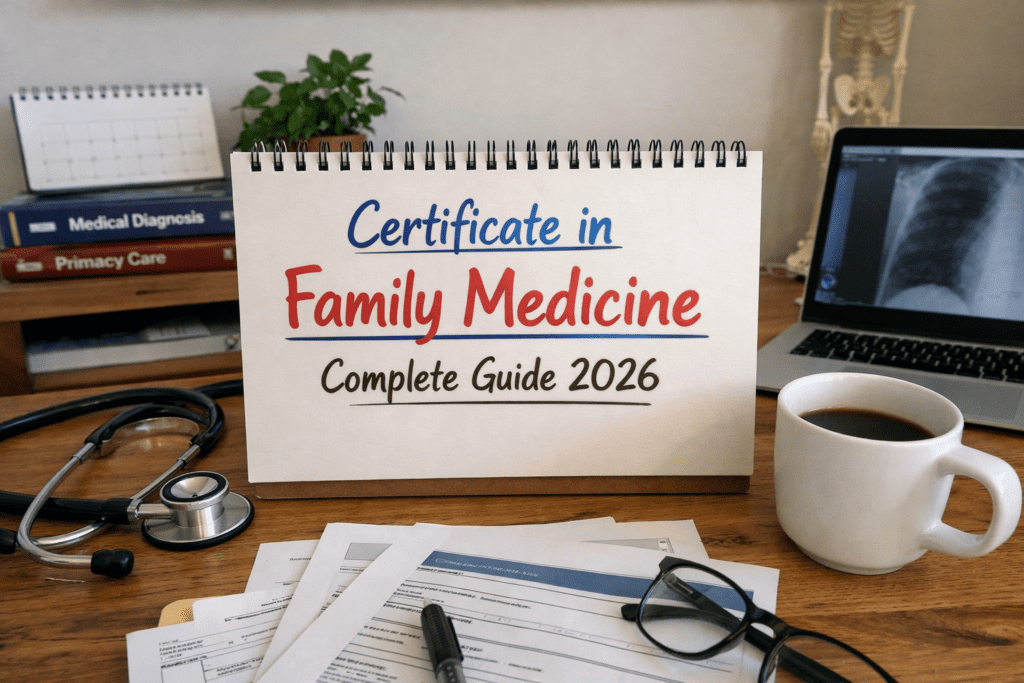
PG DIPLOMA IN FAMILY MEDICINE Discover the world of PG diploma in family medicine with a practical doctoral program for graduate schools. Our courses are ideal for medical professionals who are diagnosed diagnostically and provide practical training and professional instructions. Course Price ₹ 1,80,000 ₹1,50,000 Buy Course Now Get Free Details For Course Batch starts on Jan to Dec/ May to June Course Duration 12 Months Multimodal Program Hybrid Mode & Clinical Attachment Flexible payment financing options available PG Diploma in Family Medicine The PG Diploma in Family Medicine is a holistic program that is aimed at equipping healthcare professionals with knowledge and skills that they can use to provide holistic, patient-centered care to patients at all the stages of their life. Family medicine is an important part of modern healthcare since it is oriented to the development of long-term relationships with patients, instead of isolated treatment. The course offered by MGA ( Medical Global Academy ) is a sound primary care course, and is very comprehensive in terms of the medical conditions it covers, such as acute illnesses, as well as chronic diseases. It combines theory with clinical exposure, which allows professionals to cope with patients in the community and hospital setting. The course would suit doctors and other healthcare professionals who wish to have a varied and stable career in primary care and enhance overall patient outcomes and contribute to the overall health of the population. Outcome By passing the program successfully, learners will: Learn how to deliver holistic, ongoing and patient-centered care. Learn to diagnose and treat common acute and chronic medical problems. Enhance the ability to provide preventive care, early detection and promotion of health. Properly treat diseases like diabetes, high blood pressure, respiratory diseases, and infections. Develop effective clinical decision-making and diagnostic reasoning skills. Develop communication skills to improve doctor-patient relationship and long-term care. diagnose and treat patients of all ages such as pediatrics, adults and geriatrics. Implement evidence-based rules and procedures in primary care practice. Be able to manage simple emergency cases in a primary care environment. By and large, the program is designed to equip professionals to be competent family physicians who are able to provide high-quality, continuous, and holistic healthcare. Career Opportunities Once having the PG Diploma in Family Medicine, professionals will be able to pursue numerous career opportunities, including: Family Physician / General Practitioner (GP). Primary Care Physician Community Health Specialist Clinic Owner / Private Practitioner. Medical Officer at the Hospital or Healthcare Centers. Public Health Professional Telemedicine Consultant The high demand in family medicine is universal in clinics, hospitals, community health centers and tele health platforms. This qualification offers a solid and consistent career path to individuals seeking to mature long-term patient-physician relationships and work in a wide, flexible area of medicine. Download Brochure in Whatsapp What you’ll learn Maternal and child health Principles of anesthesia Pediatrics General medicine Diseases of public health importance Reproductive and sexual health problems Key Features 1. Attending /Non-Attending Classes2. Clinical Training in Nearest Hospital/Clinics.3. Free Study Material with recorded lectures4. Best Faculties (Super Specialists) of India 5. Library Access & Question & Answer Session6. NAAC A+ University7. 1 Year of Mentorship8. Updated Curriculum Our Accrediation Partners Fill Form Our Team Will Contact Soon Choose medicalglobalacademy as your trusted partner for medical education and elevate your expertise to new heights. Enroll Now Frequently Asked Questions How do I apply for a course? To apply, visit the course page of your interest and click on the ‘Apply Now’ button. Follow the instructions to complete your application. You may need to submit relevant documents and a resume. Are the courses accredited? Yes, all our courses are accredited by recognized medical and educational institutions. Details of accreditation can be found on each course page. Are there any online courses available? Yes, we offer a variety of online courses to provide flexibility for our students. Check the course descriptions for information on whether a course is available online. How can I contact support for more information? You can contact our support team via email at support@indianmedicalcourse.com or call us at [+91 9289868050]. Our support team is available Monday to Friday from 9 AM to 6 PM. Enroll Now

PG DIPLOMA

PG DIPLOMA IN INTERNAL MEDICINE

PG DIPLOMA IN INTERNAL MEDICINE Discover the world of PG diplomas for internal medicine with our Practical Doctoral Program for Graduate School. Our courses are ideal for healthcare professionals who want to distinguish themselves in diagnostic imaging, providing practical training and professional instructions. Course Price ₹ 1,80,000 ₹1,60,000 Buy Course Now Get Free Details For Course Batch starts on Jan to Dec/ May to June Course Duration 12 Months Multimodal Program Hybrid Mode & Clinical Attachment Flexible payment financing options available PG Diploma in Internal Medicine The MGA Medical Global Academy PG Diploma in Internal Medicine is a detailed and clinically oriented program offered with the aim of providing an in-depth knowledge and applied skills in the diagnosis, management and treatment of a wide spectrum of adult medical conditions. The program provides the healthcare professionals with the expertise in the major medical specialties like cardiology, pulmonology, nephrology, gastroenterology, endocrinology and infectious diseases. The course will be focused on both solid theoretical backgrounds and practical clinical exposure, which would allow the course participants to be able to manage complex and multi-system disorders. It concentrates on evidence based medical practice, patient centered care and clinical decision making. This diploma equips professionals to provide quality healthcare and confidently treat acute and chronic illnesses in a contemporary clinical setting. Outcome of the Program When you complete the course you will be able to: Diagnose, and treat simple and complex adult medical diseases. Accurately interpret laboratory investigations, imaging and clinical findings. Establish effective treatment plans for chronic diseases such as diabetes, hypertension and heart disease. Treat multi-system disorders and patients with multiple comorbidities. Handle medical emergencies such as shock, sepsis, and respiratory failure Use evidence-based medicine in making clinical decisions. Carry out necessary clinical procedures and patient evaluation. Offer patient-centered, ethical and holistic medical care. Career Opportunities At the end of the program, you can: Practice as a doctor in hospitals and medical facilities. Experience in outpatient clinics or in multispecialty arrangements. Establish or develop your own general medicine practice. Emergency and critical care unit work. Donate to chronic disease management projects. Continue to acquire additional specialization in internal medicine subspecialties. Participate in research and scholarly activities in clinics. The PG Diploma in Internal Medicine will assist you in becoming a good and confident physician with good clinical knowledge, practical expertise and capability to handle complex medical cases in the modern healthcare setting. Download Brochure in Whatsapp What you’ll learn Basics of human anatomy as relevant to clinical practice Basic functioning of various organ-system Preventive and environmental issues Aging and Geriatric Medicine Clinical Pharmacology Principles of Human Genetics Key Features 1. Attending /Non-Attending Classes2. Clinical Training in Nearest Hospital/Clinics.3. Free Study Material with recorded lectures4. Best Faculties (Super Specialists) of India 5. Library Access & Question & Answer Session6. NAAC A+ University7. 1 Year of Mentorship8. Updated Curriculum Our Accrediation Partners Fill Form Our Team Will Contact Soon Choose medicalglobalacademy as your trusted partner for medical education and elevate your expertise to new heights. Enroll Now Frequently Asked Questions How do I apply for a course? To apply, visit the course page of your interest and click on the ‘Apply Now’ button. Follow the instructions to complete your application. You may need to submit relevant documents and a resume. Are the courses accredited? Yes, all our courses are accredited by recognized medical and educational institutions. Details of accreditation can be found on each course page. Are there any online courses available? Yes, we offer a variety of online courses to provide flexibility for our students. Check the course descriptions for information on whether a course is available online. How can I contact support for more information? You can contact our support team via email at support@indianmedicalcourse.com or call us at [+91 9289868050]. Our support team is available Monday to Friday from 9 AM to 6 PM. Enroll Now

PG DIPLOMA

PG DIPLOMA IN INTENSIVE CARE

PG DIPLOMA IN INTENSIVE CARE Discover the world of PG diplomas in the intensive care unit with our Practical PhD program for graduates. Our courses are ideal for medical professionals who are diagnosed diagnostically and provide practical training and professional instructions. Course Price ₹ 1,80,000 ₹1,50,000 Buy Course Now Get Free Details For Course Batch starts on Jan to Dec/ May to June Course Duration 12 Months Multimodal Program Hybrid Mode & Clinical Attachment Flexible payment financing options available Course Curriculum PG Diploma in Intensive Care offered by MGA Medical Global Academy is an advanced and holistic course that is oriented towards healthcare professionals intending to specialize in critical care medicine. The course is aimed at gaining good clinical knowledge and practice needed to handle the critically ill patients in intensive care units (ICUs). The main aspects that will be taught in this program include patient examination, sophisticated monitoring methods, life-saving procedures, and management of complicated conditions. It incorporates the evidence-based practices and practical clinical exposure to expose the participants to high-acuity ICU situations and how to manage them. The diploma equips the healthcare professional with the skills and knowledge to operate comfortably in high-pressure settings and lead in the intensive care units. Outcome of the Program At the end of the course, you will be able to: Evaluate and treat seriously ill patients in intensive care units. Carry out high level airway care and mechanical ventilation. Measure and observe hemodynamic and neurological values. Treat life threatening conditions including sepsis, shock, and organ failure. Use critical care pharmacology appropriately and safely. Manage emergency cases based on evidence-based practice. Effectively operate in multidisciplinary ICU teams. Deliver patient-centered, safe, and ethical intensive care. Career Opportunities By the end of the program, you will be able to: Work in intensive care units (ICUs) and emergency departments. Partner with multi-specialty and tertiary care hospitals. Trauma and high-dependency unit (HDU) work. Improve your existing clinical practice with intensive care skills. Join in critical care and emergency response teams. Continue to specialize and have advanced training in critical care. The PG Diploma in Intensive Care will help you to become a skilled and confident critical care practitioner with excellent clinical competencies, critical thinking, and decision-making skills and knowledge necessary to handle complex and life-threatening conditions in the modern healthcare setting. Download Brochure in Whatsapp What you’ll learn Introduction to Intensive Care Respiratory disorders Cardiovascular Disorders Neurology Disorders Renal Disorders Metabolic and Nutritional Disorders Key Features Attending /Non-Attending Classes Clinical Training in Nearest hospital/clinics. Free Study Material with recorded lectures Best Faculties (Super Specialists) of India 5. Library Access & Question & Answer Session6. NAAC A+ University7. 1 Year of Mentorship8. Updated Curriculum Course Curriculum Introduction to Intensive Care Medicine History and evolution of Critical Care Medicine (CCM) and the scope of the ICU. Ethical Issues in Critical Care: Ethical Issues in Critical Care: Autonomy, consent, and end-of-life decision-making. ICU Environment: Organization of ICU, Roles of the members of the team, patient safety protocols. Basic Skills: Emergency equipment handling, understanding of the workings of an ICU and infection control. Advanced Monitoring and Diagnostic Techniques Hemodynamic Monitoring: vital signs, invasive and non-invasive monitoring and shock management. Respiratory Monitoring: Mechanical ventilation, capnography and arterial blood gas analysis. Neurological Monitoring: Glasgow Coma Scale, ICP and Neurological assessment in critical care. Point-of-Care Ultrasound (POCUS): Introduction to ultrasound in the Intensive Care Unit (ICU) including cardiac, abdominal and lung ultrasound. Advanced Airway Management and Mechanical Ventilation Airway Assessment and Management: endo-tracheal intubation, supraglottic airway devices, and advanced airway techniques. Ventilator Management: Modes of mechanical ventilation, ventilator settings, troubleshooting, and weaning strategies. Prevention, diagnosis, and management strategies for Ventilator-Associated Lung Injury (VALI). Non-Invasive Ventilation (NIV): indications, techniques and patient selection. Cardiac Intensive Care Acute Coronary Syndromes (ACS): Diagnosis and management in the Intensive Care Unit (ICU) Environment. Arrhythmias: Pharmacologic and electrical management of life threatening arrhythmias, including monitoring. Advanced Cardiac Life Support (ACLS): Advanced protocols, pharmacologic agents and defibrillation procedures. Indications and management of inotropic and vasopressors such as dopamine, Norepinephrine  and other agents. Critical Care Pharmacology Pharmacokinetics and Pharmacodynamics in Critical Care: Drug absorption, distribution, metabolism, and excretion in critically ill patients.  Sedation and Analgesia: Safe use of sedatives and analgesics in patients in the Intensive Care Unit (e.g. propofol, fentanyl, midazolam). Antibiotic Stewardship: Principles of antimicrobial therapy, antimicrobial resistance and the importance of culture and sensitivity. Respiratory Failure and Mechanical Support Discussion of the types of Respiratory Failure: Hypoxic vs hypercapnic failure, management strategies. Invasive and Non-Invasive Support: CPAP, BiPAP, ECMO (extracorporeal membrane oxygenation). Acute Respiratory Distress Syndrome (ARDS) – Pathophysiology, diagnosis and management. In-ICU Pulmonary Complications: VAP, Pneumothorax, and Pulmonary Embolism. Sepsis and Multisystem Organ Failure Pathophysiology of Sepsis: Infection/Inflammation/Organ Dysfunction. How to recognize sepsis, initial treatment, and antibiotic use. Diagnosis, management and prognosis of Multisystem Organ Dysfunction Syndrome (MODS). Renal Replacement Therapy: Indications for dialysis in the ICU setting, types of renal support (e.g., CRRT, intermittent dialysis). Neurological Critical Care Acute ischemic stroke, hemorrhagic stroke, and neuroprotective strategies. Traumatic Brain Injury (TBI): Initial management, monitoring intracranial pressure (ICP), and management of increased ICP. Status Epilepticus: Management and pharmacologic intervention. Neuroprotection in Critical Illness: Pharmacological and non-pharmacological interventions to protect the brain. Critical Care in Special Populations Pediatric Critical Care: Special considerations in the Pediatric Intensive Care Unit, medication dosing, ventilation techniques and sedation. Geriatric ICU: considerations for geriatric patients, frailty, comorbidities and delirium. The topic of obesity and Critical Illness: Management of obese patients in the ICU, ventilator management, and Pharmacological considerations. Pregnancy and Critical Care: Maternal and fetal management during critical illness and pregnancy-related emergencies  Trauma and Disaster Management Trauma Management: Primary and secondary survey in trauma patients, trauma induced coagulopathy and management of polytrauma. Mass Casualty and Disaster Response: Triage, coordination with other health care facilities and resource management. Burns and Critical Care: acute and long term management of burn patients in the intensive care unit. Advanced Techniques in ICU and Research Point-of-Care Ultrasound (POCUS): Advanced hands-on training and use of Ultrasound in the ICU setting.

PG DIPLOMA

PG DIPLOMA IN INFERTILITY MANAGEMENT

PG DIPLOMA IN INFERTILITY MANAGEMENT Discover the world of PG diplomas in fertility management with our practical graduate degree program program. Our courses are ideal for medical professionals who are diagnosed diagnostically and provide practical training and professional instructions. Course Price ₹ 1,80,000 ₹1,50,000 Buy Course Now Get Free Details For Course Batch starts on Jan to Dec/ May to June Course Duration 12 Months Multimodal Program Hybrid Mode & Clinical Attachment Flexible payment financing options available PG Diploma in Infertility Management The MGA Medical Global Academy course, the PG Diploma in Infertility Management, is a specialized certificate program that is rigorous and thorough in its content and the expertise it imparts to individuals pursuing the course. The course aims at ensuring effective clinical knowledge and clinical skills in diagnosis and management of infertility in male as well as female patients. In this program, there are key areas that are covered like reproductive physiology, infertility assessment, assisted reproductive technologies (ART), IVF methods, hormonal therapy, and counseling of the patients. It includes both intensive theoretical education and practical clinical exposure so that participants can gain a better understanding of the real-world clinical situations in infertility and how to effectively manage them. It is a diploma that prepares professionals to provide patients with personalized care plans and achieve better results in infertility management. Outcome of the Program When you complete the course you will be able to: Assess and treat infertility in males and females. Annalect interpolate hormonal profiles, imaging, and diagnostic tests. Develop and organize infertility treatment. Assist and perform in procedures like IUI and IVF. Practice assisted reproductive technologies (ART) in clinical practice. Supervise hormonal treatments and ovulation induction regimens. Provide counseling and support to infertility patients Provide ethical, safety, and patient-centered reproductive care. Career Opportunities At the end of the program, you can: Work in fertility clinics and IVF centers Work in hospitals as an infertility consultant. Nurture or develop your own fertility practice. Practice reproductive medicine and ART laboratories. Help in superior fertility processes and therapies. Continue additional training in reproductive medicine. The PG Diploma in Infertility Management will help you become a skilled and confident infertility specialist with great clinical skills, advanced procedural knowledge and the capability to handle complex cases of infertility in the modern healthcare environment. Download Brochure in Whatsapp What you’ll learn Overview of infertility Anatomy and physiology of Male and female reproduction Development of the Reproductive Tract Infertility counseling Factors affecting fertility Sperm dysfunction and Abnormalities Key Features 1. Attending /Non-Attending Classes2. Clinical Training in Nearest Hospital/Clinics.3. Free Study Material with recorded lectures4. Best Faculties (Super Specialists) of India 5. Library Access & Question & Answer Session6. NAAC A+ University7. 1 Year of Mentorship8. Updated Curriculum Course Curriculum Introduction to Infertility and Reproductive Health Basics of human reproduction and the reproductive system Epidemiology and causes of infertility Female reproductive physiology and disorders Male infertility and common causes Role of lifestyle factors in infertility (nutrition, stress, environmental factors) Ethical issues in infertility and assisted reproduction Legal frameworks and regulations in infertility treatments Psychological aspects of infertility Clinical Evaluation and Diagnosis of Infertility Detailed history taking and patient counseling Initial investigations and diagnostic workup for male and female infertility Semen analysis and male factor infertility diagnostics Ovarian reserve testing and endocrine evaluation for women Hysterosalpingography (HSG) and laparoscopy for tubal evaluation Diagnostic imaging techniques in infertility management (ultrasound, hysteroscopy, etc.) Genetic screening and its role in infertility diagnosis Preparing the patient for fertility treatments Basic and Advanced Assisted Reproductive Technologies (ART) Overview of ART and its applications Intrauterine insemination (IUI) – procedures, indications, and success rates In-vitro fertilization (IVF) – fundamentals, indications, and techniques Intracytoplasmic sperm injection (ICSI) – procedure and indications Egg retrieval and embryo transfer procedures Oocyte and sperm cryopreservation (freezing and thawing) Oocyte and sperm cryopreservation (freezing and thawing) Challenges and success rates in ART Hormonal Therapy and Ovulation Induction Hormonal physiology in infertility treatment Ovulation induction protocols (oral medications, injectable gonadotropins) Monitoring ovulation induction (ultrasound, blood tests, etc.) Role of GnRH analogs and antagonists Managing polycystic ovarian syndrome (PCOS) in infertility Ovarian hyperstimulation syndrome (OHSS) prevention and management Progesterone supplementation and luteal phase support Advances in ovulation induction protocols Embryology and Laboratory Techniques in ART Role of embryology in ART and assisted reproduction Laboratory techniques in IVF and ICSI Embryo culture, grading, and selection Cryopreservation of gametes and embryos Preimplantation genetic testing (PGT) – screening and diagnosis of genetic disorders Handling and storage of gametes and embryos Ethical considerations in embryo research and genetic screening Quality control in ART laboratories Advanced Infertility Treatment Options and Surrogacy Endoscopic procedures in infertility (laparoscopy, hysteroscopy) Uterine and fallopian tube reconstruction techniques Treatment options for male infertility (surgical sperm retrieval, varicocele treatment) Use of donor gametes (egg/sperm donation) in ART Surrogacy: types, legal aspects, and ethical issues Gestational carriers vs. traditional surrogacy Post-treatment care and follow-up in ART cycles Dealing with recurrent implantation failure and unexplained infertility High-Risk Obstetrics and Managing Complications in ART Risk factors for ART pregnancies (multiple gestation, preeclampsia, gestational diabetes) Management of high-risk ART pregnancies Early pregnancy complications (ectopic pregnancy, miscarriage) Monitoring fetal well-being in ART pregnancies Psychological and emotional care for patients undergoing ART Ethical dilemmas in high-risk ART pregnancies Managing complications in cryopreservation and gamete storage Post-treatment counseling for ART patients Future Trends and Innovations in Infertility Management Recent advances in genetic research and infertility treatment The role of artificial intelligence in reproductive medicine Gene editing and CRISPR technology in infertility Stem cell therapy and its potential in fertility preservation Global trends in infertility treatment and patient access Emerging treatments: mitochondrial replacement therapy, bioengineered organs, etc. Advances in non-invasive fertility testing (e.g., blood and urine markers) The future of infertility management: challenges and opportunities Clinical Practicum and Case Studies   Clinical training in ART procedures, including IUI, IVF, and ICSI Observational experience in fertility clinics and ART laboratories Analysis and discussion of real-life infertility cases Developing patient management plans and treatment protocols Managing complex infertility cases (recurrent IVF

PG DIPLOMA

PG DIPLOMA IN ORTHODONTICS

PG DIPLOMA IN ORTHODONTICS Discover the world of orthodontic PG diplomas with our practical graduate degree program program. Our courses are ideal for medical professionals who are diagnosed diagnostically and provide practical training and professional instructions. Course Price ₹ 1,80,000 ₹1,50,000 Buy Course Now Get Free Details For Course Batch starts on Jan to Dec/ May to June Course Duration 12 Months Multimodal Program Hybrid Mode & Clinical Attachment Flexible payment financing options available PG Diploma in Orthodontics MGA Medical Global Academy has a program of PG Diploma in Orthodontics, which is an advanced and comprehensive program aimed at dental professionals who want to become specialists in the field of orthodontics. The course is aimed at gaining comprehensive knowledge and clinical skills of diagnosis, planning, and treatment of dental and facial anomalies. The program has solid theoretical backgrounds with practical clinical training, which involve critical subjects like facial development and growth, cephalometric analysis, biomechanics, treatment planning and application of current orthodontic appliances. The participants will have practical experience when working on actual cases of patients under the guidance of experts. Emphasizing evidence-based practice and contemporary digital orthodontics, this diploma equips dental professionals with the knowledge and skills to provide high-quality orthodontic services and deliver the best patient outcomes. Outcome of the Program: Upon course completion, you will have the ability to: Identify and categorize various malocclusion types. Create detailed orthodontic treatment plans. Carry out medical activities such as the installation and maintenance of appliances. Utilize orthodontic biomechanics in therapy. Treat orthodontics with the latest methods such as aligners. Provide safe, ethical and patient-centered orthodontic care. Career Opportunities: At the end of the program, you can be prepared to: Work in dental clinics and specialty centers in orthodontics. Start or grow your orthodontic practice. Practice in dental hospitals and academic hospitals. Be a specialist in aligner therapy and aesthetic orthodontics. Engage in research and postgraduate dental training. Become a specialist in multidisciplinary dental care. The PG Diploma allows you to become a competent orthodontic therapist, with improved clinical accuracy, treatment planning skills, and career development in a highly specialized and sought after area of dentistry. Download Brochure in Whatsapp What you’ll learn Occlusion and malocclusion Prenatal development of the craniofacial region Postnatal growth of the craniofacial region Development of the dentition Orthodontic tooth movement Contemporary removable appliances Key Features 1. Attending /Non-Attending Classes2. Clinical Training in Nearest Hospital/Clinics.3. Free Study Material with recorded lectures4. Best Faculties (Super Specialists) of India 5, Library Access & Question & Answer Session6. NAAC A+ University7. 1 Year of Mentorship8. Updated Curriculum Course Curriculum Introduction to Orthodontics and Fundamentals Overview of Orthodontics Basic Principles of Orthodontics Facial Growth and Development Diagnosis and Treatment Planning Introduction to Orthodontic Appliances Advanced Diagnostics and Cephalometric Analysis Cephalometry and Radiographic Evaluation 3D Imaging and CBCT in Orthodontics Orthodontic Diagnostics in Children and Adults Functional Analysis of the Temporomandibular Joint (TMJ) Clinical Examination and Patient Evaluation Biomechanics and Orthodontic Techniques Principles of Orthodontic Biomechanics Fixed Orthodontic Appliances Removable Appliances Orthodontic Mechanotherapy Space Management and Tooth Extrusion Clinical Orthodontics – Treatment of Malocclusions Management of Angle’s Class I Malocclusion Management of Angle’s Class II Malocclusion Management of Angle’s Class III Malocclusion Skeletal and Dental Deformities Interdisciplinary Treatment Approaches Aesthetic Orthodontics and Advanced Techniques Aesthetic Orthodontics Clear Aligners and Digital Orthodontics Lingual Orthodontics Soft Tissue Management and Smile Design Advanced Orthodontic Management and Retention Retention and Post-Treatment Stability Orthognathic Surgery and Surgical Orthodontics Orthodontic Emergencies and Complications Follow-Up and Long-Term Care Research, Ethics, and Professional Development Research Methodology in Orthodontics Ethical Considerations in Orthodontic Practice Professional Development and Continuing Education Pediatric Orthodontics and Early Intervention Developmental Considerations in Pediatric Orthodontics Timing of Treatment Treatment of Malocclusion in Children Orthodontic Considerations in Children with Special Needs Adult Orthodontics and Non-Extraction Treatment Adult Orthodontics: Unique Considerations Non-Extraction Orthodontics Aligner Therapy in Adults Orthodontic Treatment in Patients with Restorations or Prosthetics Our Accrediation Partners Fill Form Our Team Will Contact Soon Choose medicalglobalacademy as your trusted partner for medical education and elevate your expertise to new heights. Enroll Now Frequently Asked Questions How do I apply for a course? To apply, visit the course page of your interest and click on the ‘Apply Now’ button. Follow the instructions to complete your application. You may need to submit relevant documents and a resume. Are the courses accredited? Yes, all our courses are accredited by recognized medical and educational institutions. Details of accreditation can be found on each course page. Are there any online courses available? Yes, we offer a variety of online courses to provide flexibility for our students. Check the course descriptions for information on whether a course is available online. How can I contact support for more information? You can contact our support team via email at support@indianmedicalcourse.com or call us at [+91 9289868050]. Our support team is available Monday to Friday from 9 AM to 6 PM. Enroll Now

PG DIPLOMA

PG DIPLOMA IN OBSTETRICS & GYNECOLOGY

PG DIPLOMA IN OBSTETRICS & GYNECOLOGY Discover the world of obstetrics and gynecology with our clinical graduate research program. Our courses are ideal for medical professionals who are diagnosed diagnostically and provide practical training and professional instructions. Course Price ₹ 2,20,000 ₹2,00,000 Buy Course Now Get Free Details For Course Batch starts on Jan to Dec/ May to June Course Duration 12 Months Multimodal Program Hybrid Mode & Clinical Attachment Flexible payment financing options available Fellowship in Obstetrics and Gynaecology MGA Medical Global Academy Fellowship in Obstetrics and Gynaecology is a high level and all-encompassing program, which is oriented to health workers who wish to specialize in the health of women. The course aims to build good clinical practice in dealing with pregnancy, gynecological diseases, reproductive health, and surgical care. The program is based on a combination of theoretical and practical training in the field, focusing on such key areas as maternal-fetal medicine, gynecological procedures, infertility management, and pelvic health. The patient interaction, learning through cases and supervised clinical practice provides participants with a real world exposure. This fellowship equips professionals to confidently manage routine and complex cases in practice and assume senior roles in the practice of obstetrics and gynaecology. Outcome of the Program At the end of the course you will be able to: Effectively handle normal and high-risk pregnancies. Carry out antenatal, intrapartum and postpartum care. Diagnose and treat simple gynecological conditions. Assist and carry out simple obstetric and gynecological tasks. Apply ultrasound and fetal monitoring techniques Treat infertility and reproductive diseases. Confidently manage obstetric emergencies. Deliver safe, ethical and patient-centered women healthcare. Career Opportunities By the conclusion of the program you will be able to: Job in maternity hospitals and gynecology clinics. Become an OB-GYN practitioner in a multi-specialty hospital. Begin or develop your practice of women’s health. Work in fertility centers and reproductive health clinics Help in obstetric and gynecological surgeries. Advanced specialization in obstetrics and gynaecology. The Fellowship in Obstetrics and Gynaecology allows you to become a highly competent and confident women health professional with a strong clinical knowledge, practical experience and the capacity to manage a wide variety of obstetric and gynecological conditions in contemporary healthcare environments. Download Brochure in Whatsapp What you’ll learn Endocrinology related to reproduction Methods of contraception Fibroid uterus Ca Cervix Ca Endometrium Carcinoma Ovary Key Features 1. Attending /Non-Attending Classes2. Clinical Training in Nearest Hospital/Clinics.3. Free Study Material with recorded lectures4. Best Faculties (Super Specialists) of India 5. Library Access & Question & Answer Session6. NAAC A+ University7. 1 Year of Mentorship8. Updated Curriculum Course Curriculum Basic Sciences and Principles of Obstetrics and Gynaecology Introduction to Obstetrics and Gynaecology Basic Anatomy and Physiology for Obstetrics Pathophysiology in Obstetrics and Gynaecology Obstetrics – Antepartum Care Pre-conception Counselling and Care Normal Pregnancy and Physiological Changes Antepartum Complications Obstetrics – Intrapartum Care Labor and Delivery Process Emergencies Operative Obstetrics – Postpartum Care Immediate Postpartum Care Postpartum Complications Family Planning and Contraception Gynaecology – Disorders of the Reproductive System Menstrual Disorders Benign Gynaecological Conditions Gynaecological Gynaecology – Reproductive Endocrinology and Infertility Reproductive Endocrinology Infertility and Assisted Reproductive Technologies (ART) Management of Recurrent Pregnancy Loss Surgical Gynaecology Basic Gynaecological Surgery Advanced Gynaecological Surgery Minimally Invasive Gynaecological Surgery Maternal-Fetal Medicine Fetal Surveillance and Diagnostics High-Risk Pregnancy Management Intrauterine Fetal Death and Perinatal Loss Obstetrics and Gynaecology – Clinical Practice Clinical Examination and Diagnosis Management Protocols and Case Discussions Research Methodology and Medical Ethics Research Methods in Obstetrics and Gynaecology Medical Ethics in Obstetrics and Gynaecology Our Accrediation Partners Fill Form Our Team Will Contact Soon Choose medicalglobalacademy as your trusted partner for medical education and elevate your expertise to new heights. Enroll Now Frequently Asked Questions How do I apply for a course? To apply, visit the course page of your interest and click on the ‘Apply Now’ button. Follow the instructions to complete your application. You may need to submit relevant documents and a resume. Are the courses accredited? Yes, all our courses are accredited by recognized medical and educational institutions. Details of accreditation can be found on each course page. Are there any online courses available? Yes, we offer a variety of online courses to provide flexibility for our students. Check the course descriptions for information on whether a course is available online. How can I contact support for more information? You can contact our support team via email at support@indianmedicalcourse.com or call us at [+91 9289868050]. Our support team is available Monday to Friday from 9 AM to 6 PM. Enroll Now

PG DIPLOMA

PG DIPLOMA IN PSYCHIATRIC MEDICINE

PG DIPLOMA IN PSYCHIATRIC MEDICINE Discover the world of PG diploma in psychiatry with a practical graduate research program. Our courses are ideal for medical professionals who are diagnosed diagnostically and provide practical training and professional instructions. Course Price ₹ 1,80,000 ₹1,50,000 Buy Course Now Get Free Details For Course Batch starts on Jan to Dec/ May to June Course Duration 12 Months Multimodal Program Hybrid Mode & Clinical Attachment Flexible payment financing options available PG Diploma in Psychiatry Medicine The PG Diploma in Psychiatry Medicine provided by the MGA Medical Global Academy is a focused and intensive course that targets medical professionals who desire to develop a solid expertise in mental health care and psychiatry. The course is aimed at the creation of clinical knowledge and practical skills that are necessary to diagnose and treat a broad spectrum of psychiatric disorders. The main aspects that will be covered by the program include psychiatric assessment, mood disorders, anxiety disorders, psychotic conditions, addiction medicine, psychotherapy techniques, and psychopharmacology. It integrates both rigorous theoretical training and clinical experience, allowing participants to learn the real-world mental health experience and provide care to patients. This pg diploma course will equip graduates to provide patient-centered psychiatric care, create effective treatment plans, and make positive contributions to the ever-expanding field of mental healthcare. Outcome of the Program At the end of the course, you will be able to: Identify and diagnose some common psychiatric conditions. Carry out psychiatric interviews and mental status examinations. Explain psychological tests and diagnostic instruments. Create and oversee personalized treatment programs. Prescribe and follow psychopharmacology treatment. Apply psychotherapy techniques such as CBT and counseling. Deal with psychiatric emergencies and crisis situations. Offer holistic, ethical, and patient-centered mental health care. Career Opportunities At the end of the program, you can: Hospital and mental health facility work. Work in psychiatric centers or in rehabilitation. Serve as a mental health consultant or practitioner. Support multidisciplinary mental healthcare teams. Find work in drug treatment and rehabilitation facilities. Develop or enhance your own mental health practice. Continue enjoying additional specialization in psychiatry subspecialties. The PG Diploma in Psychiatry Medicine will make you a confident and competent mental health practitioner with good clinical knowledge, practical skills and the ability to treat complex psychiatric cases in the current changing healthcare landscape. Download Brochure in Whatsapp What you’ll learn Functional and behavioural neuroanatomy Neurophysiology and Neuro-chemistry Psychoneuroendocrinology Neurogenetic Theory of personality and personality disorders Anxiety Disorders Key Features 1. Attending /Non-Attending Classes2. Clinical Training in Nearest Hospital/Clinics.3. Free Study Material with recorded lectures4. Best Faculties (Super Specialists) of India 5. Library Access & Question & Answer Session6. NAAC A+ University7. 1 Year of Mentorship8. Updated Curriculum Our Accrediation Partners Fill Form Our Team Will Contact Soon Choose medicalglobalacademy as your trusted partner for medical education and elevate your expertise to new heights. Enroll Now Frequently Asked Questions How do I apply for a course? To apply, visit the course page of your interest and click on the ‘Apply Now’ button. Follow the instructions to complete your application. You may need to submit relevant documents and a resume. Are the courses accredited? Yes, all our courses are accredited by recognized medical and educational institutions. Details of accreditation can be found on each course page. Are there any online courses available? Yes, we offer a variety of online courses to provide flexibility for our students. Check the course descriptions for information on whether a course is available online. How can I contact support for more information? You can contact our support team via email at support@indianmedicalcourse.com or call us at [+91 9289868050]. Our support team is available Monday to Friday from 9 AM to 6 PM. Enroll Now

PG DIPLOMA

PG DIPLOMA IN PEDIATRICS

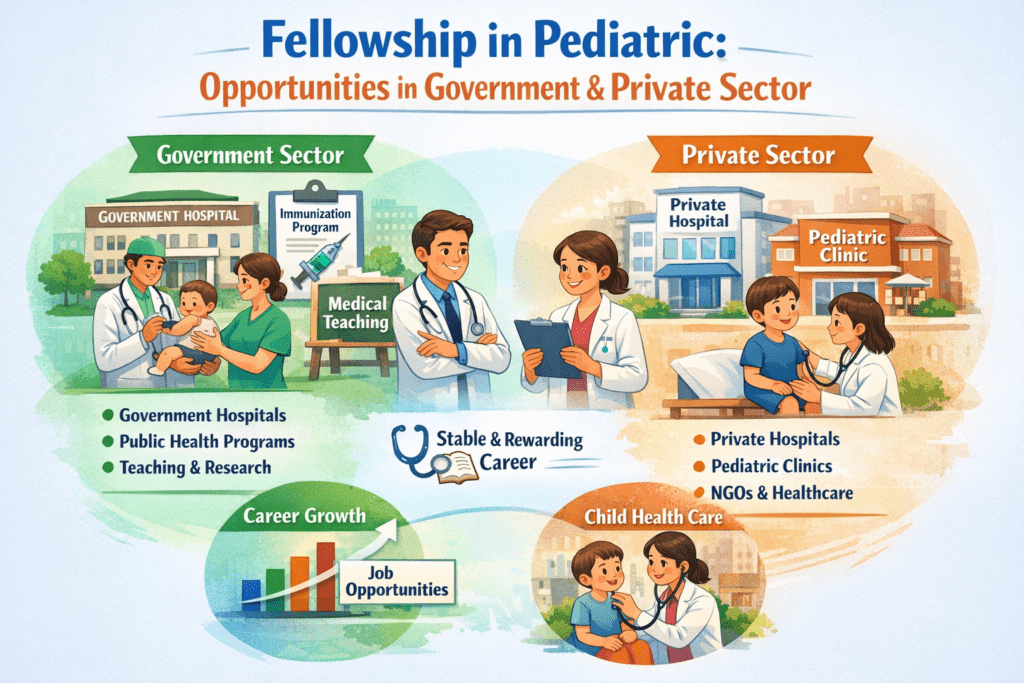
PG DIPLOMA IN PEDIATRICS Discover the world of PG diplomas at Pediatrics with a practical graduate course diploma program. Our courses are ideal for medical professionals who are diagnosed diagnostically and provide practical training and professional instructions. Course Price ₹ 1,80,000 ₹1,50,000 Buy Course Now Get Free Details For Course Batch starts on Jan to Dec/ May to June Course Duration 12 Months Multimodal Program Hybrid Mode & Clinical Attachment Flexible payment financing options available PG Diploma in Pediatrics The MGA Medical Global Academy Pediatrics Programme (PG Diploma) is a structured course that aims to equip healthcare professionals with advanced learning and clinical skills in child healthcare. The course is dedicated to such important areas as growth and development, pediatric nutrition, immunization, infectious diseases, and the management of common and complex childhood disorders. The program integrates both solid theoretical knowledge with clinical experience, which allows participants to successfully diagnose, treat, and manage children. The diploma will equip the graduate to provide high-quality and compassionate care to infants, children, and adolescents in various health care environments. Outcome of the Program When you complete the course, you will be able to: Identify and treat simple and complicated childhood diseases. Keep track of child growth, development and nutrition status. Interpret child-related investigations and diagnostic tests. Controlling infections, immunization, and preventive pediatric treatment. Manage childhood emergencies and acute diseases. Implement new clinical practices in the pediatric practice. Provide family-centered and ethical patient care Enhance decision making abilities in child healthcare. Career Opportunities By successfully going through this program, you are able to: Hospital work as a physician of the pediatric care department. Experience in child healthcare and immunization centers. Start or develop your own practice with a focus on pediatrics. Practice in pediatric and neonatal care units. Contribute to child health and immunization programs Continue specialization in the field of pediatrics. Engage in research and academic activities. Download Brochure in Whatsapp What you’ll learn Basic Pediatrics Normal Growth and its Disorders Child Nutrition New-born Infants Immunization and Immunodeficiency Infections and Infestations Key Features 1. Attending /Non-Attending Classes2. Clinical Training in Nearest Hospital/Clinics.3. Free Study Material with recorded lectures4. Best Faculties (Super Specialists) of India 5. Library Access & Question & Answer Session6. NAAC A+ University7. 1 Year of Mentorship8. Updated Curriculum Our Accrediation Partners Fill Form Our Team Will Contact Soon Choose medicalglobalacademy as your trusted partner for medical education and elevate your expertise to new heights. Enroll Now Frequently Asked Questions How do I apply for a course? To apply, visit the course page of your interest and click on the ‘Apply Now’ button. Follow the instructions to complete your application. You may need to submit relevant documents and a resume. Are the courses accredited? Yes, all our courses are accredited by recognized medical and educational institutions. Details of accreditation can be found on each course page. Are there any online courses available? Yes, we offer a variety of online courses to provide flexibility for our students. Check the course descriptions for information on whether a course is available online. How can I contact support for more information? You can contact our support team via email at support@indianmedicalcourse.com or call us at [+91 9289868050]. Our support team is available Monday to Friday from 9 AM to 6 PM. Enroll Now

PG DIPLOMA

PG DIPLOMA IN PATHOLOGY

PG DIPLOMA IN PATHOLOGY Discover the world of PG diplomas in pathology with our clinical graduate course diploma program. Our courses are ideal for medical professionals who are diagnosed diagnostically and provide practical training and professional instructions. Course Price ₹ 1,80,000 ₹1,50,000 Buy Course Now Get Free Details For Course Batch starts on Jan to Dec/ May to June Course Duration 12 Months Multimodal Program Hybrid Mode & Clinical Attachment Flexible payment financing options available PG Diploma in Pathology The MGA Medical Global Academy has a 9-month program, the PG Diploma in Pathology, which is an advanced and all-inclusive course that is targeted at healthcare practitioners interested in acquiring skills in diagnostic pathology and laboratory medicine. The course is interested in the mechanisms of diseases, diagnostic methods, and the importance of pathology in clinical decision-making. The major areas of this program include histopathology, hematology, microbiology, clinical biochemistry and molecular pathology. It integrates solid theoretical understanding with practical exposure in the laboratory, which will enable the participants to analyze patient samples, interpret diagnostic tests, and learn about diseases on the cellular and molecular basis. This diploma is focused on evidence-based practice and advanced diagnostic technologies, which allows graduates to effectively work in clinical laboratories, hospitals, and research institutions and make an effective contribution to patient care and disease management. Outcome of the Program At the end of the course you will be able to: Know cellular and molecular mechanisms of disease. Interpret and analyze laboratory studies correctly. Conduct and aid in diagnostic tests in pathology labs. Determine hematological, microbiological and histopathological deviations. Use contemporary diagnostic methods such as molecular pathology. Practice high-quality laboratories and safety measures. Facilitate clinical decision-making using quality diagnostic reporting. Offer patient-centered and ethical laboratory practices. Career Opportunities By the conclusion of the program, you are able to: Job in diagnostic labs and pathology laboratories. Become a pathology professional in hospitals. Clinical research and laboratory-based jobs. Help in diagnosis and reporting of disease in health facilities. Develop or grow your own practice of diagnosing. Continue to become more specialized in pathology and laboratory medicine. The PG Diploma in Pathology can make you an efficient diagnostic practitioner with good analytical skills, laboratory skills, and the ability to play a role in contemporary healthcare by performing accurate diagnosis and research of diseases. Download Brochure in Whatsapp What you’ll learn Introduction to Pathology Cellular and Molecular Pathology Systemic Pathology Special Topics in Pathology Diagnostic Pathology Emerging Trends and Future Directions Key Features 1. Attending /Non-Attending Classes2. Clinical Training in Nearest Hospital/Clinics.3. Free Study Material with recorded lectures4. Best Faculties (Super Specialists) of India 5. Library Access & Question & Answer Session6. NAAC A+ University7. 1 Year of Mentorship8. Updated Curriculum Course Curriculum Introduction to Pathology Introduction and significance of pathology in healthcare. Simple notions: Etiology, pathogenesis, and molecular mechanisms. Classification of diseases: Acute vs. Chronic, Inflammatory vs. Neoplastic Key concepts in histology, cytology, and clinical pathology Pathology in clinical diagnosis. General Pathology Injury and adaptation of cells. Inflammation: Acute and chronic processes of inflammation. Wound healing and tissue repair. Pathophysiology of immunity and infection. Hemodynamic problems: Edema, thrombosis, embolism and shock. Growth disorders: Hyperplasia, metaplasia, dysplasia, and neoplasia. Systemic Pathology I – Organ Specific Pathology Cardiovascular system pathology: Atherosclerosis, heart infarction, heart failure. Respiratory system: Chronic obstructive lung disease, asthma, pulmonary embolism. Renal pathology: Glomerulonephritis, acute kidney disease, chronic renal disease. Gastrointestinal system: Hepatitis, cirrhosis, peptic ulcers, colorectal cancer. Systemic Pathology II – Endocrine & Hematological Disorders Endocrine diseases: diabetes mellitus, thyroid diseases, adrenal insufficiency. Hematology: Anemia, leukemias, lymphoma, coagulation disorders. Pathology of blood vessels: Vasculitis, aortic aneurysms, peripheral arterial disease Pathophysiology of blood coagulation, thrombosis, and bleeding disorders. Molecular Pathology and Genetics Background on the methods of molecular pathology. Genetic basis of disease: Genetic disorders, inheritance patterns and mutations. Diagnostic techniques: PCR, next-generation sequencing, microarrays. Molecular oncology: Molecular markers, oncogenes, and tumor suppressor genes in cancer. Individualized medicine and gene therapy. Laboratory Medicine and Diagnostic Techniques Diagnostic tools in the laboratory: Microscopy, immunohistochemistry, PCR, flow cytometry. Pathology Blood and urine studies: Method and interpretation. Diagnostic cytopathology Pap smear, Fine Needle Aspiration (FNA) and liquid biopsy. The importance of pathology in the diagnosis and staging of cancer. Laboratory management and quality control. Hematopathology and Blood Disorders Diseases of the bone marrow and peripheral blood. Blood cancers: Leukemias, lymphoma, multiple myeloma. Coagulation disorders: Hemophilia, thrombophilia. Red blood cell diseases: Anemia, sickle cell disease, thalassemia. Platelet diseases: Thrombocytopenia, idiopathic thrombocytopenic purpura (ITP). Neuropathology Anatomy and physiology of the nervous system. Pathological processes in the CNS: Infections, trauma, stroke, neurodegeneration Brain tumors and neoplasms: Gliomas, meningiomas, metastases. Neurodegenerative diseases: Alzheimer, Parkinson, Huntington disease. Neuropathies and spinal cord diseases are inherited. Forensic Pathology and Autopsy The importance of forensic pathology in the investigation of death. Methods and processes of autopsy. Cause of death: Natural, accidental, homicide, suicide. Changes and interpretation post-mortem. Forensic pathology: legal considerations. Infectious Disease Pathology Pathophysiology of common infectious diseases: Bacterial, viral, fungal and parasitic infections. Pathogenesis mechanisms of infection: Host-pathogen interactions. Immune response to infections: Innate vs. adaptive immunity. Diagnosis of infectious diseases: Serology, PCR, culture techniques. Emerging infectious diseases: Zoonoses, antimicrobial resistance, and global health issues. Pathology of infectious diseases Case studies. Cardiovascular Pathology Pathology of atherosclerosis, hypertension, and ischemic heart disease Mechanisms and pathways of myocardial infarction, heart failure, and arrhythmias. Heart diseases and their causes. Valvular heart disease and CHD. Vascular diseases: An aneurysm, thrombosis and vasculitis. Recent developments in cardiovascular diagnostic technologies: Echocardiography, MRI, and cardiac biomarkers. Pulmonary Pathology Pathology of chronic respiratory diseases: COPD, asthma, pulmonary fibrosis. Infectious pulmonary diseases: Tuberculosis, pneumonia, fungi. Lung cancer: Classification, pathology, and molecular markers. Interstitial lung diseases: Idiopathic pulmonary fibrosis, sarcoidosis. Pathophysiology of pulmonary vascular diseases: Pulmonary hypertension. Diagnostic techniques Bronchoscopy, biopsy, imaging, pulmonary function tests. Gastrointestinal and Hepatobiliary Pathology Pathology of the liver: Hepatitis, cirrhosis, liver cancer (HCC) Pancreatic diseases: Acute pancreatitis, chronic pancreatitis, pancreatic cancer. Gastrointestinal cancers: Esophageal, gastric, colorectal, pancreatic cancers. Inflammatory bowel diseases: Crohn disease, ulcerative colitis. Functional disorders of the GI tract: Irritable bowel

Scroll to Top